
















About 400 women on average are prosecuted every year in the Andean country, blocking eligible women from accessing safe, timely, and free abortions. Underage girls are not exempt from such criminal prosecution and face sweeping sanctions, from restricted movement to mandatory community service, if convicted.

Camps for internally displaced persons in conflict-rift states in Nigeria have been known to provide fertile ground for trafficking.

Only one gynecologist serves the 8,000 to 13,000 people of reproductive age who need those services in the municipality of Shuto Orizari in North Macedonia’s capital city, the only municipality with a Roma majority in the country. And as of last month, he’s no longer on duty.

For nearly four decades, Baba Wayil, a small Muslim village situated on the foothills of the snowclad Zabarwan Range in Indian-administered Kashmir, has cultivated fame for its blanket ban on dowries and lavish weddings.
Thursday marks the International Day for the Elimination of Violence Against Women, which kicks off the 16 Days of Activism against gender-based violence in a year in which women have taken to the streets to protest rising violence and lack of state protection.

Given entrenched cultural norms, the U.S. and the international community should demand that the new Taliban regime uphold the basic rights of Afghan women as defined by the Afghan constitution.

Across western Nepal, tradition remains stronger than law as villagers find new ways to partake in “chhaupadi,” the age-old tradition of exiling women during menstruation because periods have been long considered impure.

Journalists and activists in Bosnia and Herzegovina are routinely harassed, threatened, and intimidated for their work with refugees and migrants entering the country via the Western Balkan route.

Myanmar's garment worker union members are not only fighting for an end to military dictatorship; they are also fighting for the elimination of systemic harassment and violence that has plagued their lives long before the coup.

Women who participated in anti-CAA protests nearly two years ago continue to be targeted by law enforcement, bearing the full brunt of the security apparatus or facing aggressive intimidation.

Amid a state of emergency around femicide in Puerto Rico, journalists and activists are challenging the normalization of sexist news coverage

Demands to address gender-based violence have escalated after a social media movement and a brutal murder.

Uganda's new Sexual Offenses Bill, which passed in parliament in early May, is meant to strengthen existing protections against sexualized violence, but feminists and human rights advocates have criticized the new legislation as a veiled attack against LGBTQ+ Ugandans and those in the sex industry.

Women who have been victimized by displacement also find themselves preyed upon in the IDP camps (by camp officials and other IDPs alike), no access to justice or protection.

“Because We Are Girls” follows the story of three sisters on their journey to heal from the long-buried trauma of childhood sexual abuse decades before.

The exhibit coincides with the #LanAsket (“I will not be silenced”) movement against gender-based violence and harassment.

Without systematic laws and labor protections to acknowledge and defend their rights, LGBTQ+ persons working in Sri Lanka's economic zones are left at the mercy of their employer's biases.

Royal Bahamas Police Force report that during the pandemic, more teenage girls have gone missing than in years past, and activists say it is part of a larger pattern of abuse.

Everard’s case shook the nation as an outraged public demanded more safety for women against pervasive male violence. And while a serving Metropolitan police officer remains in custody for her kidnapping and murder, the question of law enforcement's role in ensuring that safety provokes national conversation.
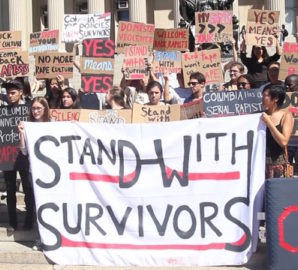
On March 8, The Biden administration took an important step toward changing how schools will handle sexual assault, harassment, and misconduct cases.

When a Telegram group called “Public Room” was discovered sharing private images and contact information of countless women and girls from across North Macedonia without their consent, the outrage was swift, but authorities' lackluster response to online crimes against women signals a critical need for more protections — and better enforcement.

The Mexico City government erected barricades around the National Palace of Government as a "wall of peace" intended to protect the historic building ahead of the 8M International Women’s Day protest on March 8, 2021. It did not go well.

The UN fact-finding mission on Venezuela documented physical and sexualized violence committed against women and girls who took part in anti-government protests, or who were perceived as dissidents, as activists and journalists are actively targeted by security forces under the Nicolas Maduro regime.
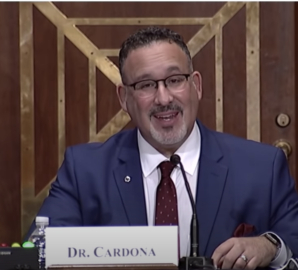
As Biden calls for a review of enforcement guidelines, advocates are pushing the administration to do more than just repair Trump-era harms.
Supporters of the ruling party have instigated threats and violence in an effort to silence women journalists.