
















The Taliban's decrees over the past two years have resulted in the severe marginalization of women and girls in all aspects of Afghan society, which they exploit to gain attention on the global stage.

Despite challenges, women-only cab service providers are hopeful that they can continue to expand.

At long last, same-sex marriage could soon be recognized under Indian law. As of April 18 of this year, a total of 18 petitions have now been introduced to the high court to legalize same-sex marriage.
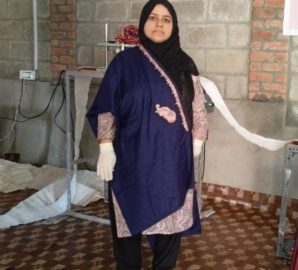
In the face of the COVID-19 pandemic, Ridwana recognized the urgent need to address menstrual health in her community.
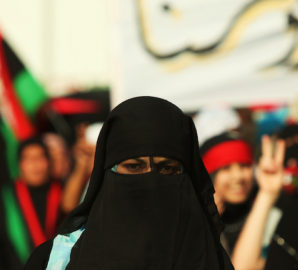
In a world plagued by oppressive social norms, pervasive violence, and unjust laws, the plight of women all over the world demands our unwavering attention.
Up to 7,000 Iranian schoolgirls have been poisoned in organized campus attacks in at least 28 of 31 of the country’s provinces, as reported by the Human Rights Activists News Agency (HRANA).

“The Postcard Women’s Imaginarium” is a project that uses women's artwork to offer an alternative narrative to colonial-era postcards that framed MENA women as “exotic.”

Since the Taliban seized control of Kabul in August 2021, the rights and freedoms of Afghans have been violated.

In October, the United Nations Committee Against Torture issued a final decision in Elizabeth Coppin v. Ireland that once again dashed hopes of justice for survivors of one of Ireland’s worst regimes of torture and abuse.

While abuse and discrimination against women and persons with disabilities is punishable by law in Malawi, in a patriarchal culture with a pronounced belief in the existence of witchcraft, men are at liberty to abandon their families on the basis of disability alone.
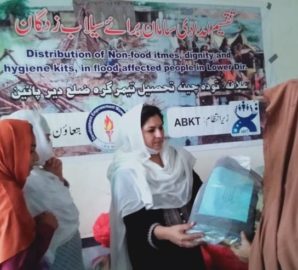
The United Nations Satellite Centre imagery points towards an estimated 8 million people still exposed to flooded areas.

A look back on 10 years of a revolution centered on the liberation of women.

While India is one of the few countries yet to criminalize marital rape, the high court recently ruled that victims of marital rape are entitled to a safe and legal abortion, establishing in Indian law that non-consensual sex can and does exist among married partners.

As men migrate north to the United States in search of better lives for their families, the women left behind are taking on many new community responsibilities once occupied by their husbands.

Women Under Siege spoke with American anti-war activist Jody Williams, Yemeni human rights activist Tawakkol Karman, and Liberian peace activist Leymah Gbowee about their trip with Nobel Women's Initiative to Ukraine, the stories they heard there, and how Ukrainian women are fighting for peace in their country.

On August 15, as India was celebrating the 75th anniversary of its independence, 11 men convicted of gang-raping a Muslim woman in 2002 were granted premature release from their life sentences.

Brazilians were able to celebrate the election of many candidates from more diverse, just, and feminist backgrounds.

Malaysian lawmakers passed the country’s first-ever bill criminalizing stalking in early October.

In the Philippines, there aren't enough resources to go around to support a coordinated strategy against child sex trafficking in online spaces.

After a scathing experience in one of India's top media houses, Meena Kotwal, a Dalit journalist, founded The Mooknayak, an independent online media outlet that reports on caste oppression and systemic violence against marginalized communities across India.
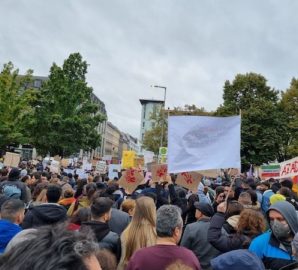
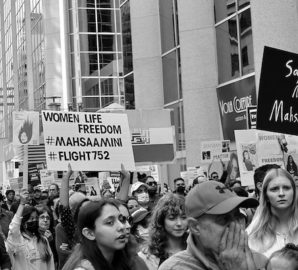
Worldwide demonstrations are taking place in support of Iran’s uprising, calling for more freedom regarding the country’s strict hijab mandate.
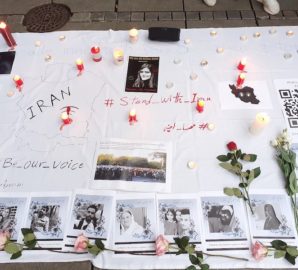
Iranians have been protesting the death of the 22-year-old Kurdish woman Mahsa Amini for over three weeks, despite facing internet shutdowns and violent repression.

Caught in the throes of overlapping social and economic crises, women in Venezuela there have almost no resources to protect themselves or their children from harm. Violence against women and girls — including incest — remains prevalent, and invisible, throughout the country.

In her upcoming memoir “This Arab Life: A Generation’s Journey into Silence,” Amal Ghandour weaves personal history to offer a thoughtful meditation on the veil's place within a modern Middle East.

In August, the Spanish congress passed a law that reframes the importance of consent in cases of rape and sexual assault, joining countries like Canada, Sweden, and Denmark with similar laws.