















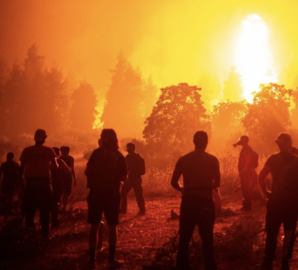
The past few years have brought some of the worst wildfires the world has ever seen. Between the United States, Australia, and Siberia, fires have eaten up millions of acres of land. Siberia’s 2021 fires alone burned more than all the others around the world combined, destroying more than 21 million acres of boreal forest — an area about the size of Serbia.
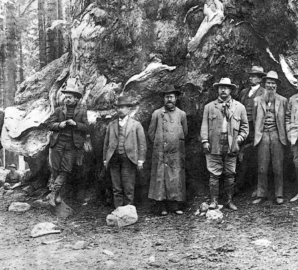
With the pandemic insanity of the last couple of years, you may have missed a controversy that toppled the head of the Sierra Club last summer.
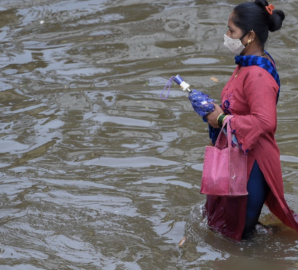
About 21 million people live in Mumbai, India. Between 2 and 3 million of them live within a half a mile from the Arabian Sea. And climate scientists predict that 80 percent of the land they live on may be under water by 2050 due to global warming.
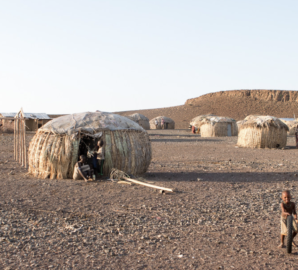
What do you do when your once-dry village suddenly turns into an island? When your only source of fresh drinking water disappears, and dangerous snakes, alligators, and hippos unexpectedly live too close for comfort?
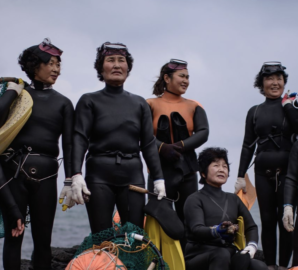
Haenyeo — female divers in South Korea — clad in wetsuits and occasionally pink-ringed eye masks, free-dive without oxygen for a minute at a time, hoping to harvest sea cucumbers, conchs, and abalones.
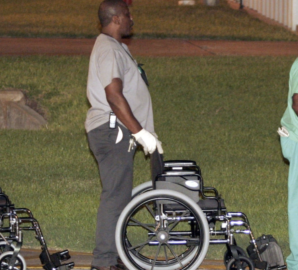
Everyone is affected by climate change. But some people — who are already less visible than others — are at greater risk of harm than most. People with disabilities face different and more intense challenges than non-disabled people in the face of events like extreme heat, wildfires, hurricanes, and droughts.
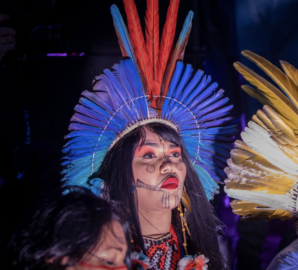
The exclusion of indigenous people underscores white privilege within the climate movement.

A 65-year-old woman who goes by just her first name, Mayawati, is one of the indigenous women leading a nearly 200-mile march to protest the opening of more coal mines in the forest of Hasdeo Arand, in the central Indian state of Chhattisgarh.
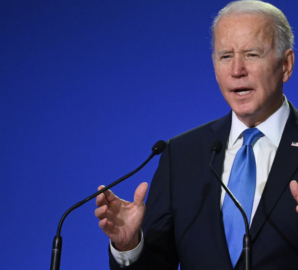
There are more than 190 countries in the world — the number varies depending on who you ask. Another statistic, more widely agreed upon, is that the United States has, cumulatively, emitted more than 28 percent of the world’s carbon dioxide emissions since 1750, a hefty share.
Scientists call what is happening in poorly planned neighborhoods the “urban heat island effect.” The islands mainly affect people who live with less green space and fewer large bodies of water like lakes, both of which absorb heat and cool off residents
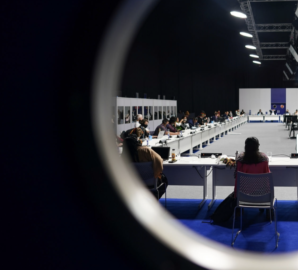
Many people from developing countries did not make it to the U.K. because of inequality — the ubiquitous kind of inequality that leaves poor people behind when it comes to the climate crisis, health outcomes, and pretty much anything else you can think of.

Biden has proposed $45 billion to replace lead water pipes throughout the country, a move that could begin to remedy decades of neglect of clean water in the U.S.
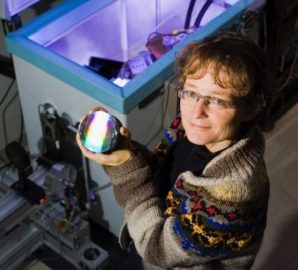
The work of people not in the political spotlight will be the critical element upon which global deciders will adopt measures that may save the future of our planet.
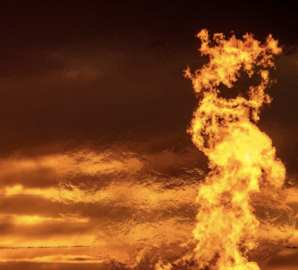
We talk a lot about carbon dioxide when we talk about climate change. But, in reality, methane is a much more active contributor to global warming. While less ubiquitous in the atmosphere, methane is more effective at trapping radiation.

On Saturday, Daniella Flanagan rallied for reproductive rights in downtown Houston along with more than 10,000 others when the skies opened. Relentless, heavy rain poured down.
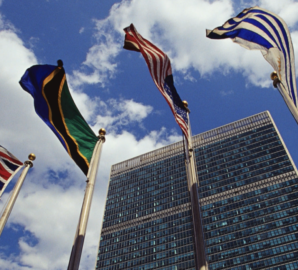
If you’ve ever been in New York City during the September convening of the UN General Assembly, you know that there are alt-events ringing the Secretariat throughout Midtown’s tony East Side. Everything from corruption to global health to sustainable agriculture — any human rights issue you can think of usually has at least one panel, if not a dozen.

It’s been just four years since President Trump chucked paper towels at survivors of Hurricane Maria in Puerto Rico, but the act left an enduring image of the president’s callousness to people suffering in the storm’s aftermath.
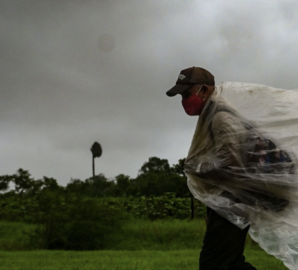
As Hurricane Ida rips its way through the country’s Southeast — on the anniversary of Hurricane Katrina, no less — newscasters across America are referring to the storm as a “she.” Not odd, considering the name. But behind that single pronoun is a fascinatingly sexist history.

With fears ramping up about the fate of women and girls in Afghanistan now under Taliban rule, climate change likely seems very far from related to the outcome. But it isn’t.

A thick, slimy substance known as “sea snot” began blanketing Turkey’s Marmara Sea at the end of last year. The smelly coating intensified on the coastline in May.
Wherever you are in the U.S, you’re likely experiencing extreme heat, wildfires, or drought. As of Aug. 3, 40 percent of the U.S. was under drought conditions, and 2021 is looking like it may end up being one of the driest years in a millennium. And, as of today, the wildfires have burned 2,063,146 acres of land. But while that’s bad news, here’s the really bad news.
As someone who just decamped from New York City to the Pacific Northwest, you could probably call me a climate refugee.
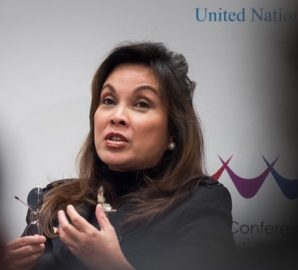
Activists whose work incorporates ecological, health, and equality campaigns have moved from protesting outside the halls of power to become elected legislators writing and passing the environmental protection frameworks that they campaigned for.
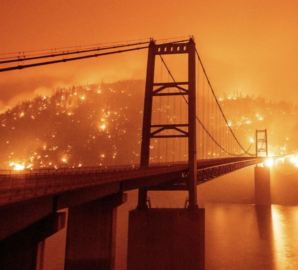
New York City is in the middle of an air-quality alert because of the massive wildfires out West and in Canada. Of course, what we’re experiencing here is nothing next to what those in the direct areas of the fires are feeling. But it’s not insignificant if you’re elderly, pregnant, have existing health issues, or are a child.
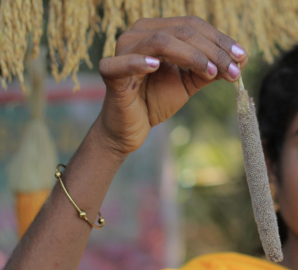
After Kandakam Mogulamma’s husband, a farmer, passed away in 2019, she quickly learned how to grow crops.