















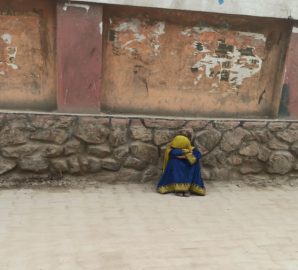
In early January, Taliban supreme leader Hibatullah Akhundzada quietly enacted the expansive “Criminal Procedure Code for Courts,” which effectively turns violence into everyday rule, patriarchy into official policy, and ideology into enforceable law.

As men migrate north to the United States in search of better lives for their families, the women left behind are taking on many new community responsibilities once occupied by their husbands.

The Al Hassan case has the potential to shine light on the unique harm perpetrators commit against individuals based on their gender, which enforces patriarchal social norms and increases the potency of their crimes. It could also chart a path forward for international criminal law to define gender.

Women around the world continue to struggle not only with draconian laws that deny them ownership of their own bodies, but also the threat of hard-won rights being rolled back. Here, we take a look at some of the places around the world that are playing the long game for abortion reform.
In the Trump administration’s proposed mass slaying of any and all programs the United States financially supports in terms of human rights, one in particular is troubling for women around the world—and it’s an angle media have missed in their reporting.

Throughout the conflict in DRC, children have been abducted and made to serve as soldiers. While most are male, it is estimated over a third are female, used mainly as domestic and sexual servants, but sometimes as fighters. Now an NGO has released a report showing that many of the girls weren’t enlisted by force.





It’s easy to associate rape with the Democratic Republic of Congo, a region torn by conflict since 1996. Dubbed the “rape capital of the world,” the country sees four women raped every five minutes, according to a 2011 study published by the American Journal of Public Health.


