















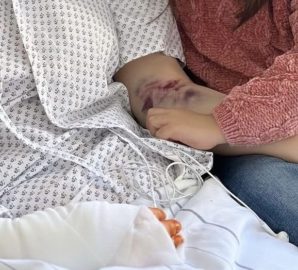
Since the U.S. and Israel launched their joint assault on the Islamic Republic of Iran, feminist voices in the “Zan, Zendegi, Azadi” movement (or the “Woman, Life, Freedom” movement) have been diverse, with contradictory and dispersed reactions to war, foreign intervention, and even the future of the movement itself.
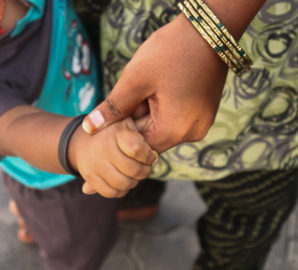
Isolated agrarian communities in the Indian state of Tamil Nadu were hard hit by the pandemic, experiencing increased poverty, the diversion of savings toward healthcare, and prolonged illness, forcing families to pull their daughters out of school and marry them off. Years later, attendance rates haven't recovered, and child marriages haven't subsided.

Two high-profile murders were among at least 21 femicides across Kenya in January, but amid the nation’s shock and outrage, media, members of the public, and even parliamentarians (including women) excused the murders by maligning the women as “slay queens” putting themselves in harm’s way for social media clout.

After a scathing experience in one of India's top media houses, Meena Kotwal, a Dalit journalist, founded The Mooknayak, an independent online media outlet that reports on caste oppression and systemic violence against marginalized communities across India.

While Venezuela reels from its ongoing political and humanitarian crises, attacks against members of the press, and particularly women journalists, have become especially acute.
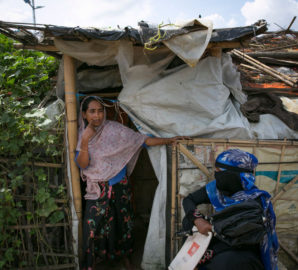
Burmese women are critical to understanding a country whose people have endured systematic violence and repression for far too long. They can’t be forgotten.

Brazil has maintained its place as first among countries with the highest murder rate of trans and gender-diverse peoples. In a country that remains deeply conservative and religious, and under a president who has openly targeted the LGBTQ community to "rescue our values," Brazil's trans community especially is fighting to exist, freely, openly, and safely.

The women behind "The Feminist on Cellblock Y," which chronicles a classroom of male prisoners as they wrestle with vulnerability and the confines of masculine norms, speak with WMC Women Under Siege about their process, and what the broader public can learn at this critical moment from the men of Success Stories.