
















Philippine President Rodrigo Duterte's "heavy-handed and punitive" — and exceedingly militarized — pandemic strategy largely accounts for why the Philippines continues to suffer nearly two years on.

Overburdened and underpaid, India’s health workers, known as accredited social health activists (ASHAs) — all of whom are women — continue to work without sufficient PPE kits, facing harassment and stigma.

Despite the government's pre-emptive measures to curb violence against women under lockdown, gender-based crimes skyrocketed during the state-mandated quarantine.

Gender inequality and stringent cultural beliefs left women most vulnerable to the HIV epidemic. With the coronavirus, Malawi mustn't repeat the same mistakes.

The pandemic has further revealed how workers in the global garment industry — especially women, who make up nearly three-quarters of garment workers — are sacrificed as economic collateral, and how fast fashion prioritizes profits over people.

While Greece has slowly begun to reopen, overcrowded refugee camps on the Greek island of Lesbos are still under lockdown. And without government intervention, experts and activists say that residents there are just sitting ducks waiting for an outbreak of the coronavirus to sweep through the camps like wildfire.

As climate change and the pandemic inflate food sales, families in Kenya's slums, already sunken into poverty, are resorting to marrying off their young daughters.
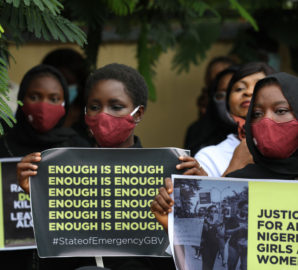
As reports of domestic and sexualized violence surge under lockdown in Nigeria, NGOs and government agencies must adapt their responses to meet the challenge.
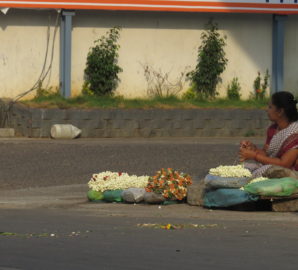
Since India went under a strict countrywide lockdown, the mostly women who make their living selling flowers, fruits, and fish every day on thoroughfares and platforms don’t know how they’ll feed their families.

The loss of resources, support systems, and general safety puts survivors at risk of further abuse.

After a tumultuous two weeks in which abortion services were supposed to be operational yet remained inaccessible through Northern Ireland’s health service, the Department of Health said medical professionals were now permitted to "terminate pregnancies lawfully."