
















One gender-related issue that Republican caucusgoers seemed to align with liberals on? The “tampon tax.”
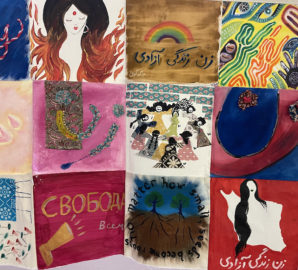
A year after protests in Iran erupted over a Kurdish woman’s death, initiating the largest uprising against the country’s clerical rule since the 1979 Islamic Revolution, activists continue to fight.
It is critical to encourage high schoolers to study public policy, work for the government, or run for office to improve women’s education, health, and rights.

“The Dobbs ruling is further accelerating an existing crisis, putting pregnant people at even greater risk of arrest, prosecution, and conviction.”

I will be a first-time voter in the 2024 presidential election, and I hope that I will be able to see other members of my generation who are of age at the polls, informed about current issues, and filling out ballots with confidence.
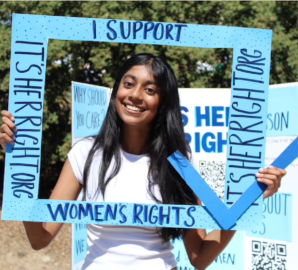
It’s Her Right has a community of 150+ members, all women dedicated to creating change and battling the gender gap in politics.

Generation Ratify is mobilizing thousands of young activists to help get the 28th Amendment over the finish line.

A new report documents the connection between the hundreds of anti-LGBTQ bills introduced in state legislatures and measures to restrict voter access.

New research shows that American media remains biased against female politicians.
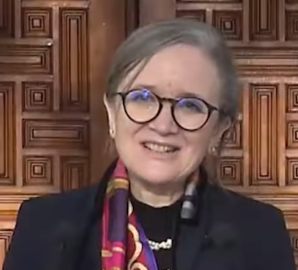
Bouden’s mere presence in one of the highest political offices in Tunisia has led to a genuine shift in national attitudes about women leaders, and that must not be overlooked.

The bill affirms the legal right to abortion and miscarriage care and would protect patients and providers from criminalization.

This moment of heightened attacks on the LGBTQ+ community reminds us of the real meaning of pride and instructs us on how we can fight back.

Montana state Rep. Zooey Zephyr has recently been thrust into the national spotlight after her Republican colleagues voted to remove her from the floor following comments she made about S.B. 99, one of a wave of anti-trans legislation introduced across the country.
On Wednesday, May 3, the Freedom to Learn National Day of Action will mobilize people to defend the right of students to learn about systemic injustice, as well as ideas that form the basis of social justice movements.

Italian politics are at a fork in the road with women leading the way on either side.

Currently, 18 states ban trans girls from participating in girls’ sports. Often framed as offering “fairness” or “protection,” these insidious laws actually harm all women.

As a Gen Z woman serving on a school board in America, I was not shocked to see the Missouri legislature recently passed a new dress code for women legislators and staff members in the State House of Representatives.

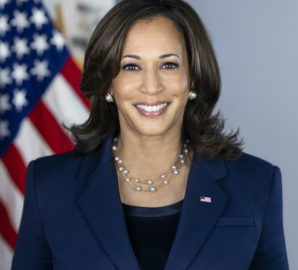
January 20 marks the second anniversary of Kamala Harris’ inauguration as the first woman vice president of the United States. Attorney Debbie Hines considers Harris’ accomplishments in her first two years in office.
We still have a long way to go toward reaching equality in politics.

To better reflect the realities of our modern age and possibilities for the future, “first lady”—the title and the role—needs a makeover.

As men migrate north to the United States in search of better lives for their families, the women left behind are taking on many new community responsibilities once occupied by their husbands.

Plaintiffs in three states are seeking to overturn abortion bans on religious grounds.

Brazilians were able to celebrate the election of many candidates from more diverse, just, and feminist backgrounds.

In August, the Spanish congress passed a law that reframes the importance of consent in cases of rape and sexual assault, joining countries like Canada, Sweden, and Denmark with similar laws.

In a post-Roe v. Wade America, methods to prevent pregnancy are more important than ever.