
















More documentary films by and about women are getting awards recognition and finding sizeable audiences. Here is a list of docs, released over the last year, that are available for streaming.

It’s taken nearly 100 years, but the Land O’Lakes company has finally removed the image of a kneeling Native American woman—nicknamed “Mia”—from its packaging.

These recent works by Black women historians challenge conventional narratives of the history of the United States.

In the powerful new film "Never Rarely Sometimes Always," a teenager has to cross state lines to seek abortion care.

On February 28, The César Awards, which are essentially the French Oscars, awarded the Best Director honor to Roman Polanski — a man who fled the United States after pleading guilty to the statutory rape of a 13-year-old girl in 1977.

To this day, feminist zines are still a considerable presence in the zine universe.

The new film by Céline Sciamma places equality at the center of a love story.

Some large art museums are starting to address the glaring underrepresentation of women artists and artists of color.

As of January 29, there is a code of conduct set in writing for how simulated sex scenes in movies and TV should be conducted.

In creating the movie ”The Assistant,” writer/director Kitty Green interviewed more than 100 women who worked or had worked at Weinstein’s companies, as well as women at other studios and agencies.

These characters’ journeys expose our culture’s ridiculous link between relationship status and total happiness

2019 was a banner year for women in the entertainment industry. But female filmmakers are still unable to break the “celluloid ceiling.”

It’s awards season. Which means it is again the time of year in which women realize they’ve been snubbed, blocked, ignored, skipped over…however you want to put it, it’s the season in which women are consistently losers to the patriarchy, and this year is no different.

No women were nominated in the category of Best Director at the Golden Globes even though there were more women-directed top-grossing movies in 2019 than in any year before.

The Black Lives Matter co-founder is directing a new program for artists that connects creativity and activism.
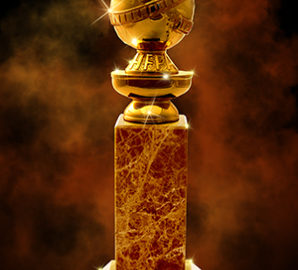
The continued exclusion of female talent shows that major awards are based not on merit but on the biases of individuals.

Although several major film festivals have pledged to have equal representation for female directors by 2020, progress has been slow. Here is our year-end follow-up to our midyear report on how they are doing.

Waves is rare in its willingness to present a blurred marriage of volatility and sympathy without preaching or suggesting anything to the viewer. The movie itself crashes down on the audience like a wave, putting viewers in a state of constant unrest.
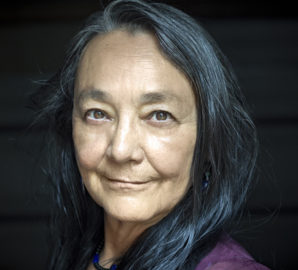
Cardinal's role in ABC's Stumptown — a tough, complex CEO — is one of the most prominent indigenous characters ever to appear on U.S. television.

In her posthumous memoir, Edie Windsor details her vivacious sex life and in the process shatters stereotypes not only about lesbians but about older women in general.
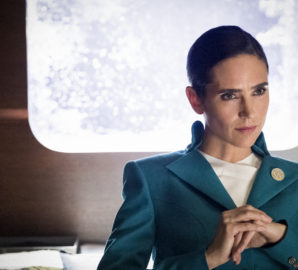
Showcases at New York Comic Con, an annual event for pop culture fans, indicate that the future is getting brighter for on-camera female representation in superhero/sci-fi films and TV. Behind the camera, progress has been much slower.

As the #MeToo movement steadily grows throughout Mexico, with thousands of actions, collectives, and ongoing projects in operation throughout the country, women are finding their power to fight back and build a society in which their lives are not in constant danger.

Even though Latinos are 18.3 percent of the U.S. population, research has found that only 4.5 percent of all speaking characters in top films are Latino — a number that has changed little over the years.

Playwright Clare Barron's new work explores how girls and women often feel they can’t openly go after what they want.

Black Twitter is generally known as a space for responses to cultural events and light-hearted humor. But it is also a genuinely critical space for black intellectuals and influencers, providing them a unique platform to explore the nuances of black Americans' lived experiences.