
















While still a minority of those whose movies are selected to represent their nations in the category, women filmmakers often offer a distinct, female-centered point of view.

The filmmakers who created the Emmy-winning RBG turn the spotlight on the chef and author who was “deceptively groundbreaking and culturally important.”
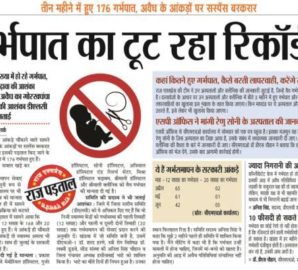
A new analysis of print, digital media, and entertainment has found that coverage is heavy on sensationalism and moral judgment, and light on factual information.

Seyran Ateş established a mosque in Berlin that is inclusive and encourages discussion and debate.

For the film, which won major accolades at Sundance, writer/director Siân Heder cast deaf actors in the roles of deaf characters and ensured the participation of deaf people in other aspects of the production.

The new documentary, Pray Away, offers surprising and nuanced insights.

In this Q and A, the screenwriters reveal how the woeful sex education they experienced as teens in Texas fueled the plot of their new teen road-trip movie.

Composers of color are still rare in Hollywood. Here’s how some in the industry are working to change that.

Well known for their work on screen, actresses including Halle Berry, Robin Wright, and Taraji P. Henson are now directing feature films.

Ahead of the Super Bowl, the new film offers a unique view of the devaluing of “women's work.”

In an extraordinary year in the film industry, more women of color directors have made an impact than ever before.

The overall percentage of women working on top-grossing films has barely budged in over 20 years.

The new documentary spotlights women’s leadership in fighting the abuse of power in the use of computer technology.
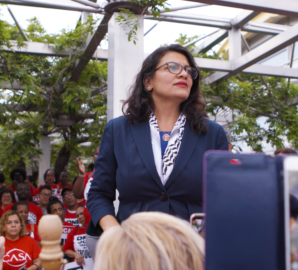
The docuseries, And She Could Be Next, shows that women of color are “changing what the face of leadership looks like” in the United States.

Groundbreaking writer-director Alice Wu surprises with her long-awaited second feature.

“On the Record” focuses on empowering Black women in the #MeToo movement.

More documentary films by and about women are getting awards recognition and finding sizeable audiences. Here is a list of docs, released over the last year, that are available for streaming.

In the powerful new film "Never Rarely Sometimes Always," a teenager has to cross state lines to seek abortion care.

The new film by Céline Sciamma places equality at the center of a love story.

In creating the movie ”The Assistant,” writer/director Kitty Green interviewed more than 100 women who worked or had worked at Weinstein’s companies, as well as women at other studios and agencies.

The continued exclusion of female talent shows that major awards are based not on merit but on the biases of individuals.

Although several major film festivals have pledged to have equal representation for female directors by 2020, progress has been slow. Here is our year-end follow-up to our midyear report on how they are doing.
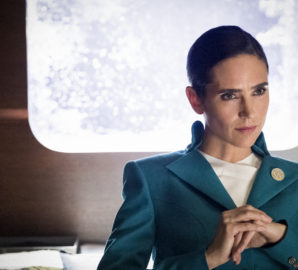
Showcases at New York Comic Con, an annual event for pop culture fans, indicate that the future is getting brighter for on-camera female representation in superhero/sci-fi films and TV. Behind the camera, progress has been much slower.

Even though Latinos are 18.3 percent of the U.S. population, research has found that only 4.5 percent of all speaking characters in top films are Latino — a number that has changed little over the years.

Beyoncé’s choice to place Black womanhood at the center of her new Netflix documentary, Homecoming, is a powerful form of social resistance.