
















As much awareness as the #MeToo movement has generally brought to the sexual violence epidemic in this country, rape culture still persists — and, unfortunately, all too many people subscribe to myths promoted by rape culture.

The Black Lives Matter co-founder is directing a new program for artists that connects creativity and activism.

Tunisian women from different ages and backgrounds have begun to share their sexual harassment stories on social media under the hashtag #EnaZeda — which means #MeToo in the Tunisian dialect.

Victoria’s Secret is still busy making life for women and girls about being their thinnest possible selves.

The continued exclusion of female talent shows that major awards are based not on merit but on the biases of individuals.

Korean women are still—nearly 75 years later—fighting to gain restitution from the country that forced them into sexual slavery, despite a “final and irreversible” deal reached between Korea and Japan in 2015.

2020 will mark the centennial of women getting the right to vote — and we have a lot to celebrate. But there is still room for improvement.

Here's what happened on Jane Fonda's 82nd birthday. She wanted 82 people to get arrested to bring attention to the climate emergency. One hundred and forty three people were arrested. Photo essay by Jenny Warburg

While Harvey Weinstein’s accusers are figuring out whether to take a proposed multimillion-dollar settlement, Japan’s version of Harvey Weinstein has been ordered to pay just 3.3 million yen ($30,000) in damages in a very public rape case.

Over one billion people live with disability, yet this group is barely represented in the media.

As if being pursued by an enemy isn’t traumatic enough, women in the military are also being stalked by their own..

While it’s true that some political ideas shared by many Boomers are outdated, saying “OK Boomer” perpetuates the harms it seeks to redress.

In 2019, across the world, the number of years it will take women to reach equal pay and opportunities with men increased by 55 years.

Zimbabwe's maternal mortality crisis is pushing the debate on abortion, but the current economic crisis and stigma stand in the way of legalization.

Although several major film festivals have pledged to have equal representation for female directors by 2020, progress has been slow. Here is our year-end follow-up to our midyear report on how they are doing.

Waves is rare in its willingness to present a blurred marriage of volatility and sympathy without preaching or suggesting anything to the viewer. The movie itself crashes down on the audience like a wave, putting viewers in a state of constant unrest.

In a world in which long hair is equated to femininity and beauty, Tunzi challenged patriarchal prescriptions for what an ideal beautiful woman should look like. And that decision — among her many other qualifications and great performance — earned her the crown.

Women are being denied legal prescriptions for the morning-after pill (Plan B) and a pill for medical abortion (mifepristone) based on pharmacists’ religious beliefs. This week, one woman has chosen to fight back.

The brand’s thinly veiled attempt to pivot to a “by her, for her” image after intense criticism and declining sales is unlikely to work.

iI’s been a troublesome week filled with reports that migrants and refugees being held in U.S. detention are being refused medical care they desperately need.
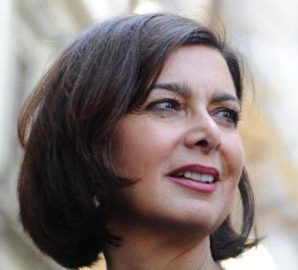
Research shows that social media exposes female politicians to online abuse, but it also enables them to engage directly with their constituencies without the bias of mass media.
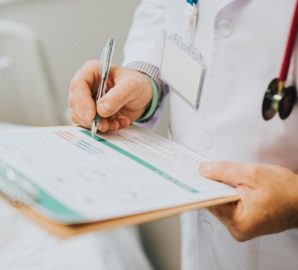
An anti-abortion bill introduced to Ohio’s General Assembly on November 14 is causing controversy for requiring doctors to exhaust every possible option to save an unborn fetus, including “re-implanting” an ectopic pregnancy — a procedure that is literally medically impossible.
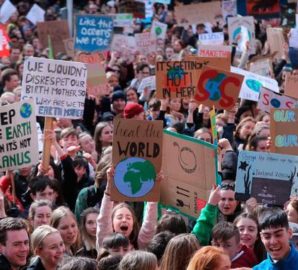
According to the UN, 80% of people displaced by climate change are women. Ecofeminism is a movement that aims to address this problem.

On November 18, the body of Jennifer Rothwell, 28, was found near a state park outside of Troy, Mich. Her own husband led police to her remains after they accused him of murder. Now, news outlets are reporting that Rothwell, who was six weeks pregnant when she was killed, had searched “what to do if your husband is upset you are pregnant” on her cell phone before she went missing.
A new report from GLAAD (the Gay and Lesbian Alliance Against Defamation) shows that there has been an incredible improvement in the representation of the LGBTQ community across TV platforms this year.