















Eight myths about sexual violence perpetuated by rape culture
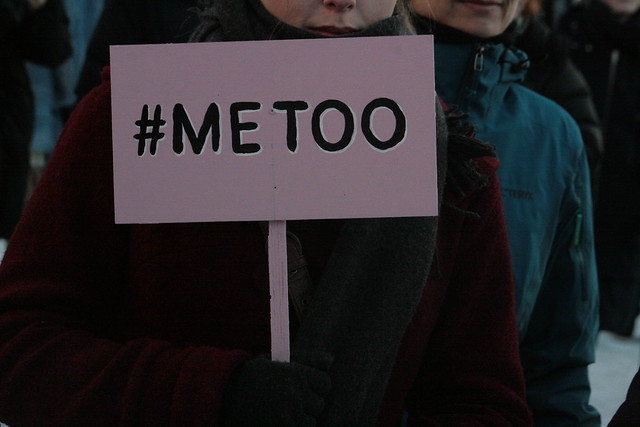
Harvey Weinstein's trial just began in New York City this week — and he is now facing new charges in Los Angeles as well. As groundbreaking as it is for such a powerful, high-profile figure to finally face consequences for his alleged acts of sexual assault and abuse, and as much awareness as the #MeToo movement has generally brought to the sexual violence epidemic in this country, rape culture still persists — and, unfortunately, all too many people subscribe to myths promoted by rape culture.
Here are just eight myths about sexual violence that rape culture still perpetuates — and why they must be debunked.
“She was wearing promiscuous clothing, so she was asking for it.”
No one deserves to be a victim of sexual assault or rape, and women shouldn’t be punished for how they dress. Slut walk is a transnational movement that demands an end to rape culture, specifically the excusing of rape on account of a woman’s appearance. Additionally, women should be able to wear what they want; suggesting otherwise appeals to respectability politics. Clothes don’t speak for a person — consent does.
“He was drunk, so he’s not guilty. She was drinking, so she deserved it.”
From a legal standpoint, intoxication is not an excuse for committing a criminal offense. Sober or not, rapists are responsible for their actions. Additionally, no matter how intoxicated a person is, they do not deserve to experience sexual violence. According to alcohol myopia theory, a drinker is affected by their immediate environment, which may encourage them to participate in riskier behaviors. But rather than excusing perpetrators, this psychological phenomenon reaffirms the need for us all to model safe sex and consent when we drink alcohol in social situations.
“Only cisgender communities experience sexual violence.”
LGBT people are at higher risk of hate-motivated violence, which can include rape and sexual assault. Rates of sexual violence are higher among lesbian women, gay men, and bisexual women than they are among heterosexual women and men. 47 percent of transgender people are sexually assaulted during their lifetime. Sexual violence affects every demographic and community.
“Women are more likely to falsely report sexual assault and rape than men.”
91 percent of the victims of sexual assault are female, as compared to 9 percent male. Additionally, only 2-8 percent of rapes reports are false. On the other hand, 80
percent of rape and sexual assault crimes go underreported. Regardless of gender, a person is approximately 40 times more likely to not report sexual violence than they are to lie about it.
“Sexual assault and rape only or mostly happen in fraternities and sororities.”
While certain greek organizations at schools and universities have gained media notoriety for egregious examples of sexual violence within their communities, no group or organization on a college campus is immune to this epidemic. College athletes, for example, are three times more likely to be accused of sexual misconduct or domestic violence than their counterparts. Undoubtedly, we must hold greek life accountable for the ways it perpetuates a culture of sexual violence, but believing this myth obfuscates the need for widespread campus reform.
“People with disabilities are at low risk for sexual assault.”
People with disabilities are victims of sexual assault twice as much as their nondisabled counterparts. In fact, 83 percent of women with disabilities experience sexual assault. Additionally, people with disabilities are more likely to be the victims of violent crimes.
“Men don’t get raped.”
People of all demographics and genders experience rape and sexual assault. While there has been extensive research and attention paid to men raping women, comparatively little attention has been paid to men raping other men. Additionally, while rapists are disproportionately men, there are cases of women raping men as well as cases of men raping other men.
“Most sexual assault and rape are committed by strangers.”
Acquaintance rape is far more common than is the instance of rape committed by a stranger, like the common myth of someone waiting in the alley or the bushes to assault someone. Three out of four rapes are committed by someone the victim knows. For survivors who are between the ages of 18 and 29, two-thirds had a prior relationship with the offender. Both stranger rape and acquaintance rape constitute “real” rape.
Whether it is in our workplace environments, college campuses, or social spaces, sexual assault and rape affect all demographics. When we actively work to disprove these myths, we can make our communities safer.
More articles by Category: Disability, Violence against women, WMC Loreen Arbus Journalism Program
More articles by Tag: Sexual harassment, Rape, Sexualized violence, #MeToo


