
















Thousands of people are feeling the immediate impact of the decision to force thousands of immigrants to leave the U.S.

Each year, hundreds of people—most of them women—have been killed for being suspected witches. Rights activists say raising awareness and investing in development can help stop communities from turning on their elders.

While American women reach new milestones, including holding a record number of seats in the Senate, their representation in national legislative office still lags behind a hundred other countries, including falling two places below Saudi Arabia, which is notorious for its terrible treatment of women.

Choosing journalism as a profession in Syria in the late 1990s was almost as unusual for a young girl as choosing to become a professional soccer player. “There were a lot of women studying media, but we already knew that we [would] not work as journalists,” said Rula Asad.

Medeiros is the supervisor of the wrestling program at São Paulo’s Training and Research Olympic Center (Centro Olímpico de Treinamento e Pesquisa or COTP) in Brazil. She is also the first African-Brazilian woman to serve in this role.

Niñas sin Miedo, or Girls Without Fear, works to promote human rights by educating young girls on sexualized violence and offering conferences and workshops on teen pregnancy prevention, sexual abuse, and harassment. It also empowers the girls by teaching them to ride bikes together.

This is the first time a mastermind of mass rape has been held legally responsible in DRC. But the story doesn’t end here. There are still a few major issues to watch.

Today a historic conviction came down in the Democratic Republic of Congo. It was the first time an official or commander has been convicted of masterminding rape in the country.

A call comes in at 4:58 p.m. The night shift hasn’t yet started, so the day team that has been working since 7 in the morning goes out. We leave at 5:30. There’s no explicit rush. The 11-year-old isn’t bleeding.

Meghan Markle will be the first nonwhite woman ever to marry into the British monarchy. But is this fact a point of progress, or does the frenzy surrounding Markle’s race just further reinforce harmful stereotypes surrounding beauty and colorism?

In India, it’s now illegal for a man to have sex with his wife if she is under the age of 18. But anti-rape activists in India are looking at the next fight ahead of them: making the rape of adult women in marriage illegal.
There is disproportionate rate of HIV infection among young women in sub-Saharan Africa. Here's what you need to know ahead of World AIDS Day.

It is 9 a.m. on November 9, and hundreds—maybe 1,000—people have gathered to watch something many believed would never happen: the trial of a group of men who allegedly gang-raped approximately 50 little girls, aged 18 months to 11 years, in a village called Kavumu. Justice has been four years in the making.

Sexualized violence is widespread throughout the world. This is true even in times of peace and stability, but it escalates during humanitarian crises. In conflicts, women’s bodies can become battlegrounds, with rape used to humiliate and dominate. Protection systems also collapse during natural disasters, leaving women and girls vulnerable. And child marriage, a form of gender-based violence, is often seen as a coping mechanism among crisis-affected families.

While the most recent extreme campaign to exterminate the Rohingya has shocked the world, it is an effort built upon a long history of oppression.

How I realized that “virginity” is a crucial element of a broader sexist culture that aims to oppress women through their bodies.

U.S. Ambassador to the UN Nikki Haley is going to Africa. South Sudan, the Democratic Republic of Congo, and Ethiopia, specifically. She says in an October 22 CNN op-ed that President Trump is sending her “to get a first-hand picture of what can be done.”

Unlike many other post-conflict African nations, Rwanda is working to support women widowed by the country’s 1994 genocide. With the establishment of care homes and other initiatives, the country’s elderly widows can finally find peace.
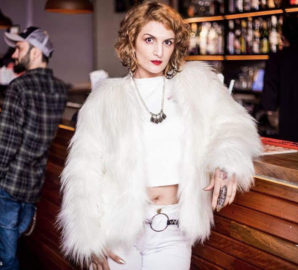
When in August Brazilian writer and feminist activist Clara Averbuck refused the advances of an Uber driver, he physically threw her out of his car, leaving her bruised and with a black eye. He then sexually assaulted her as she lay on the ground.

Rohingya Muslims are facing an ethnic cleansing in Myanmar.

The Irish government announced in September they would hold a referendum on the 8th Amendment in mid-2018—a long-awaited move by many in the country. The announcement followed years of campaigning by pro-choice organizations in Ireland.
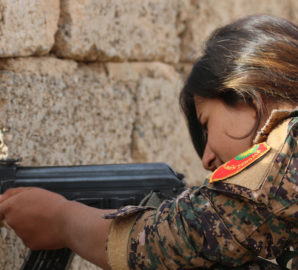
Ekhlas was 14 years old when Islamic State militants attacked the northern Iraqi city of Sinjar in August 2014. Her family tried to flee to nearby Mount Sinjar, but they never made it.

In 2014, the so-called Islamic State abducted thousands of women and children when they invaded large parts of Iraq and tortured, enslaved, and killed many people affiliated with the Yazidi religious group. In response, in November 2015, the Jiyan Foundation for Human Rights, an Iraq-based organization that helps victims of human rights violations, opened a trauma clinic for women in the Kurdish city of Chamchamal.

On computer screens thousands of miles away from one another, some of the world’s leading feminist figures joined in solidarity with women in the Democratic Republic of the Congo at the country’s first-ever women’s summit on September 14.
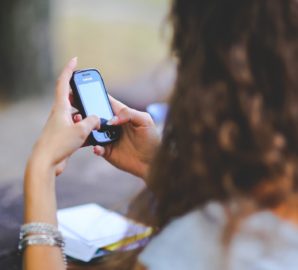
Saudi women are unable to exercise freedom in clothing, travel, work, or family. This reality led the World Economic Forum to rank Saudi Arabia 141 out of 144 countries in its 2016 report on the global gender gap.