









A year after Rio de Janeiro city councilwoman Marielle Franco's murder, justice remains elusive, but her life and work live on with her supporters.

Feminists all over the world are fighting to shift these conversations about consent toward a more nuanced understanding of the complex power dynamics that exist in all social relationships. ThaiConsent is one organization doing just that.

Two years after the Hogar Virgen de la Asunción orphanage fire in Guatemala, which killed 41 teenaged girls, the truth is still coming to light, and it's far more sinister with every detail.

Thousands of Albanian students are protesting on the streets right now. But even though the media has started to cover these protests generally, it has failed to note the feminist principles at the heart of them and how women in particular have contributed to the movement.

As Venezuela spirals from rampant hyperinflation and violent political clashes, a health crisis has stricken the South American country, it’s the most vulnerable migrants—children, babies and pregnant women—who are being hit the hardest.

The practice of paying a bride price occurs in multiple African countries, although exact traditions and levels of legality vary. While some advocates want the practice to be eradicated, many Zimbabweans are still in favor of upholding the practice. Despite popular opinion, there is still very real damage done to women as a result of it.
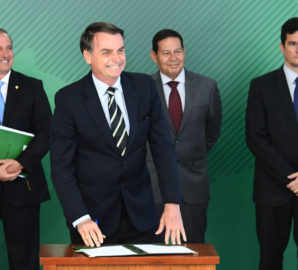
In January 2019, Brazil's newly-elected president Jair Bolsonaro signed a decree relaxing restrictions on gun ownership, a move that could endanger women further in a country ranked first in the world for firearm mortality and fifth for femicides.

Agbogbloshie, an e-waste scrapyard in Accra, Ghana’s capital city, is where discarded electronics imported from developed and neighboring African countries go to die. Thousands of women who trade on the contaminated site are at risk due to prolonged exposure to toxic fumes from e-waste.

From grandmother to granddaughters, the Yepes women use "conscious rap" to retake their community in Medellín from the image and legacy of Pablo Escobar.

Despite a peace agreement, sexual violence is on the rise in Mali’s conflict. But the International Criminal Court in The Hague is considering an unprecedented case for the prosecution of sexual violence.


A new report reveals that widespread sexual harassment of Chinese female journalists has been meeting with abysmal responses by media companies and government.

How truly impactful has the #MeToo and other dominant feminist movements been in India, considering that they frequently leave out the most oppressed group in the country: Dalit women.

A recent Amnesty International report released on December 10, the 70th anniversary of the Universal Declaration of Human Rights, reveals that women, particularly the most marginalized women in the UK, have been disproportionately affected by austerity measures implemented in 2010.
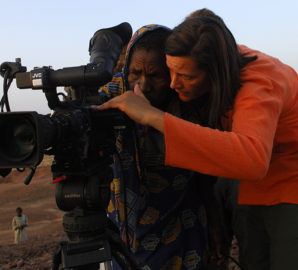
In its fifth year, the festival focused on the work of women cinematographers.

Cheryl Zondi is a 22-year-old University of Johannesburg student studying social work. On October 15, Zondi began what would be a three-day-long trial at Port Elizabeth High Court based on her allegations that her church leader, Pastor Timothy Omotoso, raped her between the years 2010 and 2015.

On Tuesday, in the run-up to the opening of the Indian legislature’s winter session on December 11, women’s groups came together to express frustration and outrage that the Women’s Reservation Bill, which aims to ensure Indian women’s equal representation in elected office, has not yet been passed.

In October, disabilities activist Mara Gabrilli was elected to the Brazilian Senate at the age of 51. Many saw her victory as a sign that although a lot of extremism and hatred has been expressed in Brazilian politics over the past few years, it’s possible for this nation to elect figures aligned with a progressive agenda.

In 2017, Forbes listed Morocco as the second most dangerous country in the world to which women can travel. Earlier this year, the Moroccan government, thanks in no small part to complaints made by women’s rights organizations, finally acknowledged the country’s problem with harassment by passing the Violence Against Women Act in February.

Colleagues are vowing to continue the work of the courageous journalist, who died recently at 46.

A new documentary, Stolen Daughters: Kidnapped by Boko Haram, follows the lives of the 276 Nigerian schoolgirls who had been kidnapped by Boko Haram in 2014. The film also features interviews with girls who had been previously taken from their homes by the same group.

Jair Bolsonaro’s election as Brazil’s president at the end of October, and the threat of far right extremism it represents, comes on the heels of a reinvigorated fight for abortion rights all across Latin America.

The work of Indian artist Shalinee Kumari, which is being shown at San Francisco's Asian Museum, promotes social change and women's empowerment.

Pakistan is a country governed by moral values and strict cultural codes, and perhaps no Pakistani citizens are as strictly policed in terms of these values than woman.

It was only a matter of time before the echoes of Hollywood’s #MeToo and #TimesUp movements reached Bollywood, India’s film industry. That watershed moment finally arrived this September, when Indian actress Tanushree Dutta made accusations of harassment against industry veteran Nana Patekar