
















Saudi Arabia has executed an Indonesian woman who was living in the country as a domestic worker. Tuti Tursilawati, a mother of one said to be in her early 30s, killed her employer in 2010 as he tried to rape her, according to multiple news reports.

Greece is experiencing a refugee crisis — and over half of these refugees are women and children waiting in camps to reunite with relatives or have asylum status approved by the Greek government. The Azadi Project teaches female refugees expertise in jobs related to multimedia communications and storytelling in order to promote their integration into the local labor force.

A woman in Saudi Arabia who faces a possible death sentence for engaging in nonviolent human rights activism may receive the final word on her execution on Sunday.

Women across Iceland, including Prime Minister Katrin Jakobsdottir, left their workplaces at 2:55 p.m. on Wednesday to protest a longstanding wage gap

Why women remain outside the doors of political power is more nuanced than simply attributing it to sexism.

Priscila Gama, a 34-year-old Brazilian architect and entrepreneur from wanted to do something to help women in the face of pervasive violence. In 2016, she and a team launched the Malalai app, which enables women to let pre-authorized friends follow their routes when moving around the city by any means, whether by foot, car, or public transportation.

Programs for those affected by Boko Haram's insurgency provide economic opportunity for Nigerian women, but they aren't without their flaws.

Gender inequality and sexism are still embedded in the Middle Eastern workplace, even in progressive workplaces like International NGOs and even if they try invoke equitable policies.

On September 3, Brazil's National Museum caught on fire — an enormous tragedy that should serve as a reminder of how important it is for our country to maintain and value institutions that question the social inequalities in our country.

In Greek refugee camps, migrant women endure horrific conditions and sexualized violence, a new report finds.

Like Trump, the current front-runner in the Brazilian presidential election, Jair Bolsonaro, is white, far-right wing candidate who symbolizes a great threat to women and democracy in the country.

The administration's deportation practices are sending women and LGBTQ would-be asylum seekers back to dangerous situations, where threats, violence, and even death may await.

“I don’t think there is any reason whatsoever to charge me with hate speech toward anyone,” says Russian feminist Lyubov Kalugina.

A group of world-class photographers are using the power of photography to impact the lives of women and girls around the world.

From Brazil to México, from Chile to Venezuela, from Peru to Costa Rica, from Bolivia to Ecuador, the green wave protesters’ call for legal, safe, and free abortion has intensified. The right to choose is influencing and energizing the activists in these countries, and these countries’ political institutions are paying more attention to their activism.

Coverage of family separations at the U.S.-Mexico border has stirred outrage. But is what's happening new?

The targeting of a member of parliament has shed light on everyday violence against women.

In Nigeria, adulterous men are commonly excused and the blame for their actions is placed squarely on women.

Advocates staged protests across the globe on Thursday, including in front of the Saudi Arabian embassy in London, to protest the kingdom’s continued detention of three prominent human right activists.
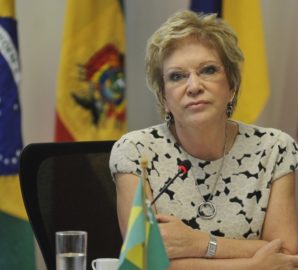
Suplicy, who is now 73, served in Brazilian politics for years. But even before her political career, Suplicy brought discussions of important issues straight to Brazilian homes through a television show called TV Mulher, during which Suplicy gave sex advice to female viewers in a political era of dictatorship.

Over 42 women had been kidnapped or killed in Uganda since May 2017. Ugandan politicians didn’t seem to take these deaths seriously. A feminist group called the Women’s Protest Working Group transformed Ugandan feminists' Twitter conversations into a march.

Germans may soon be able to select a third gender option on their official identity records.

Human rights activists fear the worst after two young Malaysian women were convicted of engaging in a prohibited sex act and sentenced to six strokes of caning.

Governments’ political orientation does not determine whether they pursue more or less restrictive migration policies. New research from Katharina Natter and Hein de Haas debunks accepted wisdom on the politics of migration.

Girls marrying before the age of 18 are more likely not to finish their education, putting them at the risk of financial dependency.