
















In a year when Latin America was swept with protests against gender-based violence from Mexico to Chile, the Encuentro de Mujeres que Luchan, organized by the Zapatista community, welcomed some 4,000 women to the Chiapaneco highlands to unite in transnational feminist solidarity and confront the global crisis of violence against women.

A study published Wednesday confirms “extensive direct links” between environmental pressures and gender-based violence.

A court in India issued a death warrant Tuesday for four men convicted of gang-raping a 23-year-old physiotherapy student in 2012. They are set to be hanged on January 22.

Korean women are still—nearly 75 years later—fighting to gain restitution from the country that forced them into sexual slavery, despite a “final and irreversible” deal reached between Korea and Japan in 2015.

While Harvey Weinstein’s accusers are figuring out whether to take a proposed multimillion-dollar settlement, Japan’s version of Harvey Weinstein has been ordered to pay just 3.3 million yen ($30,000) in damages in a very public rape case.

As if being pursued by an enemy isn’t traumatic enough, women in the military are also being stalked by their own..

On November 18, the body of Jennifer Rothwell, 28, was found near a state park outside of Troy, Mich. Her own husband led police to her remains after they accused him of murder. Now, news outlets are reporting that Rothwell, who was six weeks pregnant when she was killed, had searched “what to do if your husband is upset you are pregnant” on her cell phone before she went missing.

While she may have escaped the horrors of North Korea, one woman who defected to South Korea says she has been forced into a new nightmare.

“When women die, the man gets to tell the story,” said Fiona Mackenzie, founder of British advocacy group We Can’t Consent to This.
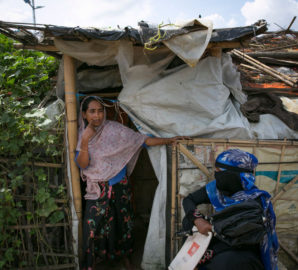
Burmese women are critical to understanding a country whose people have endured systematic violence and repression for far too long. They can’t be forgotten.
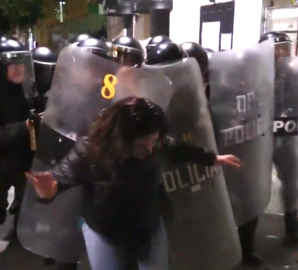
Amid ongoing violent demonstrations against the re-election of Bolivian President Evo Morales, masked protesters on Wednesday kidnapped the mayor of a small town in central Bolivia.

The discussion around Rep. Katie Hill's resignation has mostly missed the truths about the crime that was committed against her.

In a country as staunchly anti-abortion as Argentina, Sunday’s presidential election outcome signals a potential sea change for women’s rights in the notoriously restrictive country.

As the #MeToo movement steadily grows throughout Mexico, with thousands of actions, collectives, and ongoing projects in operation throughout the country, women are finding their power to fight back and build a society in which their lives are not in constant danger.

Women Under Siege discussed the disproportionate impact of the occupation on women with Kashmir scholars Ather Zia, founder of Kashmir Lit and co-founder of the Critical Kashmir Studies Collective, and Nitasha Kaul, a poet, novelist, artist, and associate professor of politics and international relations at the University of Westminster.

Zimbabwe's economic crisis has forced women working in informal setups to the fringes, where they're often rendered vulnerable to physical and sexualized violence.

Women Under Siege spoke with Lisa Wade, PhD, an associate professor of sociology at Occidental College and author of American Hookup: The New Culture of Sex on Campus, to better understand the relationship—and long history—between white supremacy, masculinity, and the American image.

Spain's Partido Socialista Obrero Español (PSOE) party may have won in the country's general elections in April, and in European elections in May, but the threat of anti-abortion, anti-immigration, and anti-feminist party Vox looms large across the country, especially for Spain's women, who have so much more to lose than to gain.

Decades after Guatemala's 36-year internal armed conflict, 36 Maya Achi women are seeking justice against the soldiers who raped them and the officials who gave them the orders.

It's tempting for Western audiences to believe that cell phones beget rape in Congo, but the real root causes of mass sexualized violence in the country require more nuance than that.

The new transitional house offers holistic support for survivors trying to regain agency of their lives in a city where resources are still severely limited.

If women have historically been silenced and ignored about experiences of conflict-related sexual violence, the inverse is now true: survivors are being pressured to share their stories, emphasizing heinous details of sexual abuse and little else.

The Trump administration’s latest use of domestic politics to hold international rights hostage will cost women's lives.

Several women had reported being raped by security forces during the government crackdown on protests in January. Since then, no formal investigations have been undertaken; no formal independent complaints mechanism has been established; and the outrage has dissipated.

As the number of cases of attempted kidnappings in metro stations mount, feminist civil society is fighting to create a safe city for women, against the inefficacy of law enforcement and a city government that appear ill-equipped to address the daily reality of violence committed against them in public.