
















A cocktail of structural barriers with law enforcement and throughout the judicial process — such as drawn-out, humiliating investigations and trials — ensures that justice for victims remains evasive.

Media coverage of sexual violence in India, both domestically and globally, has ignored the vast majority of rapes. Obscured from public view by the media, those stories that don’t make national and global headlines face near-insurmountable hurdles to justice.

A new movement has sparked public discourse among Iranian women as they take to social media with their own #MeTooIran moments.

The Al Hassan case has the potential to shine light on the unique harm perpetrators commit against individuals based on their gender, which enforces patriarchal social norms and increases the potency of their crimes. It could also chart a path forward for international criminal law to define gender.

Cases under India’s Protection of Children from Sexual Offenses Act are meant to be fast-tracked, but the reality of the judicial system's backlog often means that those cases can drag on for years. One of Delhi's most infamous and horrific rape cases is among them. Amid the long slog of court appearances, postponements — and now, the pandemic — a child victim grows up.

Last August, India's Hindu nationalist government scrapped Articles 370 and 35A of the Indian constitution, stripping the state of Jammu & Kashmir of its special constitutional status. What followed is only the latest chapter in a documented history of sexualized violence by security forces as a means to quell dissent in Muslim-majority Kashmir.

In early 2018, the story of a baby who was raped by a relative sent shockwaves around the world. Two years later, the world has moved on, but she is no closer to receiving justice.
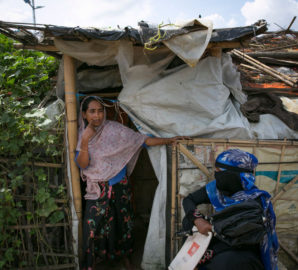
Burmese women are critical to understanding a country whose people have endured systematic violence and repression for far too long. They can’t be forgotten.

As the #MeToo movement steadily grows throughout Mexico, with thousands of actions, collectives, and ongoing projects in operation throughout the country, women are finding their power to fight back and build a society in which their lives are not in constant danger.

Women Under Siege discussed the disproportionate impact of the occupation on women with Kashmir scholars Ather Zia, founder of Kashmir Lit and co-founder of the Critical Kashmir Studies Collective, and Nitasha Kaul, a poet, novelist, artist, and associate professor of politics and international relations at the University of Westminster.

Zimbabwe's economic crisis has forced women working in informal setups to the fringes, where they're often rendered vulnerable to physical and sexualized violence.

It's tempting for Western audiences to believe that cell phones beget rape in Congo, but the real root causes of mass sexualized violence in the country require more nuance than that.

Several women had reported being raped by security forces during the government crackdown on protests in January. Since then, no formal investigations have been undertaken; no formal independent complaints mechanism has been established; and the outrage has dissipated.

As the number of cases of attempted kidnappings in metro stations mount, feminist civil society is fighting to create a safe city for women, against the inefficacy of law enforcement and a city government that appear ill-equipped to address the daily reality of violence committed against them in public.

Two years after the Hogar Virgen de la Asunción orphanage fire in Guatemala, which killed 41 teenaged girls, the truth is still coming to light, and it's far more sinister with every detail.

The portrayal of sexualized violence as an instinctive and inherent feature of masculinity leads has a potentially devastating impact on our society.

Sexualized violence is widespread throughout the world. This is true even in times of peace and stability, but it escalates during humanitarian crises. In conflicts, women’s bodies can become battlegrounds, with rape used to humiliate and dominate. Protection systems also collapse during natural disasters, leaving women and girls vulnerable. And child marriage, a form of gender-based violence, is often seen as a coping mechanism among crisis-affected families.

Accusing migrant women of bringing ‘anchor babies’ to Europe misunderstands their journeys and motives, says researcher and anthropologist Sine Plambech. Understanding their real stories explains why so few are willing to return.

Unlike many other post-conflict African nations, Rwanda is working to support women widowed by the country’s 1994 genocide. With the establishment of care homes and other initiatives, the country’s elderly widows can finally find peace.
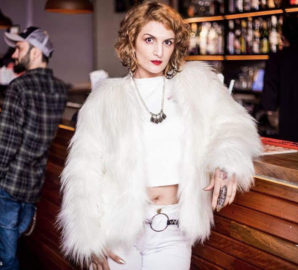
When in August Brazilian writer and feminist activist Clara Averbuck refused the advances of an Uber driver, he physically threw her out of his car, leaving her bruised and with a black eye. He then sexually assaulted her as she lay on the ground.

The Irish government announced in September they would hold a referendum on the 8th Amendment in mid-2018—a long-awaited move by many in the country. The announcement followed years of campaigning by pro-choice organizations in Ireland.

Rahaf feared going home. Her clothes had been torn, making visible the painful red welts that would turn into eggplant-colored bruises. On her arms and legs, her family and fiance would be able to see the round burn marks where they put out cigarettes on her skin.

Women around the world continue to struggle not only with draconian laws that deny them ownership of their own bodies, but also the threat of hard-won rights being rolled back. Here, we take a look at some of the places around the world that are playing the long game for abortion reform.

The week after she handed in her AK47 rifle, Patricia found out she was pregnant. Patricia had been a rebel fighter in the Revolutionary Armed Forces of Colombia, or FARC, for 14 years. Last month, she was one of 7,000 rebels to hand in their weapons in a low-key ceremony that marked the end of the armed struggle.

In the violence that rocked Kenya following the disputed elections of 2007, the media reported hundreds of cases of sexualized violence. Jane’s was one of them. Today, Jane grapples with HIV, trauma, and empty promises of reparation. Her husband was killed in the violence, but his body has never been found.