
















With Straight White Men, which opens next week, Lee will become first Asian American woman playwright on Broadway.

Netflix's Unbreakable Kimmy Schmidt is just the latest in a long history of films and TV shows that have perpetuated stereotypes while failing to give opportunities to Native women.

How can we translate Asian women’s leadership in their respective countries to the international stage?

In early May, Kim Kardashian West made headlines for her attempts to ask White House officials to advocate for a presidential pardon for 62-year-old Alice Marie Johnson. While this case is certainly worthy of attention, her advocacy generally overlooks the fundamental problems of racism and prosecutorial discretion within the criminal justice system.

The new lynching memorial and museum in Montgomery, Alabama, model a powerfully inclusive approach to history.

The day after his “Saturday Night Live” performance, Childish Gambino released a new song titled “This Is America.” The complicated imagery of the song’s accompanying music video powerfully highlights the provocative symbolism of his lyrics, which make political statements about the role of blackness in America.

We must be intentional about preventing the erasure of black women’s history.

California is one step closer to providing compensation to the living survivors of state-sponsored sterilization.

Gabby Antonio Smashes the Imperialist, White Supremacist, Capitalist Patriarchy! is a web series that challenges systems of oppression in both its production and its content.

Kunumí MC is a teenage rapper calling attention to the struggles Indigenous people face in Brazil.

The commission found that lack of representation fueled media stereotypes and distortions. Half a century later, those stereotypes persist.

About 40 percent of employees in the Bureau of Indian Affairs (BIA) report experiencing some kind of harassment, one the highest rates of all agencies in the Interior Department.

The last in a series of interviews with women journalists of color from the Women’s Media Center’s recently released report, “The Status of Women of Color in the U.S. News Media 2018.”
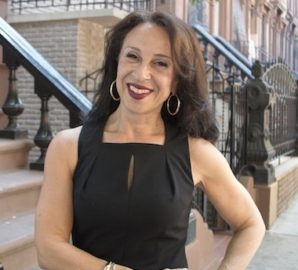
The fifth in a series of interviews with women journalists of color from the Women’s Media Center’s recently released report, “The Status of Women of Color in the U.S. News Media 2018.”
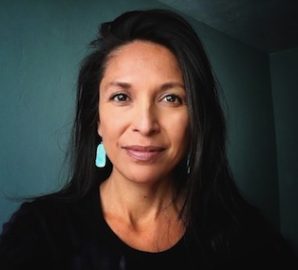
The fourth in a series of interviews with women journalists of color from the Women’s Media Center’s recently released report, “The Status of Women of Color in the U.S. News Media 2018.”
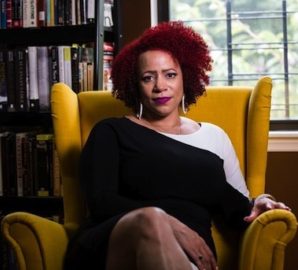
The third in a series of interviews with women journalists of color from the Women’s Media Center’s recently released report, “The Status of Women of Color in the U.S. News Media 2018.”
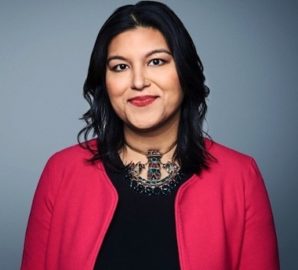
The second in a series of interviews with women journalists of color from the Women’s Media Center’s recently released report, “The Status of Women of Color in the U.S. News Media 2018.”

The first in a series of interviews with women journalists of color from the Women’s Media Center’s recently released report, “The Status of Women of Color in the U.S. News Media 2018.”

Three years after the launch of #OscarsSoWhite, activists are demanding Latinx inclusion.

Especially during Black History Month, it’s important to not only consider, but prioritize, those who exist at the intersection of marginalized identities.

Finally, audiences — many for the first time ever — get to see a complex black superhero supported by a majority black cast, who thrive in positions of royalty and power based on their society’s technological advancement, in an Afrocentric environment.

Harper was an outspoken activist for decades on abolition, temperance, public education, voting rights, and women’s equality. Why isn't she a household name?

A new study of the portrayal of Asian Americans and Pacific Islanders on television has found little progress over the past decade.

Issa Rae is not only a talented creator and writer, but is actually shifting the way the industry views creators of color

Meghan Markle will be the first nonwhite woman ever to marry into the British monarchy. But is this fact a point of progress, or does the frenzy surrounding Markle’s race just further reinforce harmful stereotypes surrounding beauty and colorism?