
















Throughout the conflict in DRC, children have been abducted and made to serve as soldiers. While most are male, it is estimated over a third are female, used mainly as domestic and sexual servants, but sometimes as fighters. Now an NGO has released a report showing that many of the girls weren’t enlisted by force.


Sexual harassment is alarmingly widespread in middle schools and high schools, with serious consequences for students. But the problem isn't getting enough attention or research.
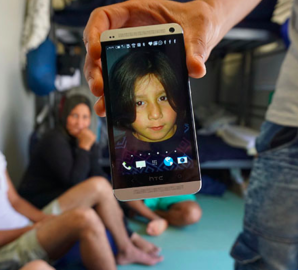
Here was yet another family flung across the sea from Syria sitting in an air-conditioned, yet still stuffy, container that is their temporary home on the island of Samos in Greece. With so many of them having made it to the country together, the Al-Ghateb family stood out from the hundreds of single men and mothers with children at the camp.

“My friend, my friend!” Two little Syrian girls come running toward me as they see the camera around my neck. These two words are part of their limited English vocabulary, a language they are being taught in school at the Vathi refugee center—known as a “hot spot”—on the island of Samos in Greece.


The TV show, which is about to begin its last season, has been a very surprising source for authentic portrayals of people with disabilities.

The number of women in prison has been increasing at nearly double the rate of men. Advocates—including formerly incarcerated women—are taking a closer look at the reasons, and what can be done to stem the tide.


How one middle school’s students and administrators worked together to create a gender-neutral dress code.

Dirty white gates fronted the detention center on the Italian island of Lampedusa, a tiny speck between Sicily and Tunisia, where 71 women were being held. Beyond the bars, I could just make out laundry hanging from the building in which they were housed—maybe 100 yards away—a yellow scarf, a hot-pink piece of cloth.