















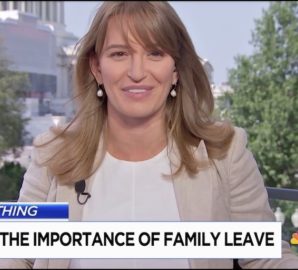
Can the visibility of prominent female journalists help to smash stereotypes about workers who are pregnant or new mothers?
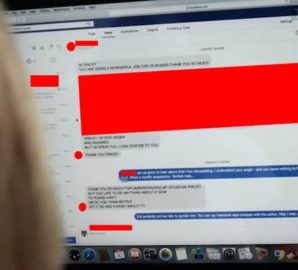
The first rule of reporting on sexual assault is to get consent from survivors that you can use their name, image, or identifying details. Australian public broadcaster ABC screwed that up pretty badly when it began early embargoed distribution of a documentary that is actually about—seriously—#MeToo.

The discussion around Rep. Katie Hill's resignation has mostly missed the truths about the crime that was committed against her.

Four hundred people gathered last night at the 2019 WMC Women’s Media Awards at the Mandarin Oriental in New York City to honor a variety of women whose work embodies the WMC mission of making women visible and powerful in media.
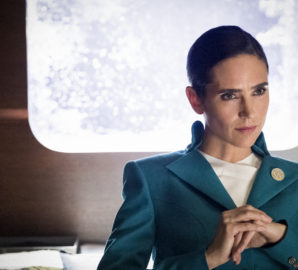
Showcases at New York Comic Con, an annual event for pop culture fans, indicate that the future is getting brighter for on-camera female representation in superhero/sci-fi films and TV. Behind the camera, progress has been much slower.

Even though Latinos are 18.3 percent of the U.S. population, research has found that only 4.5 percent of all speaking characters in top films are Latino — a number that has changed little over the years.
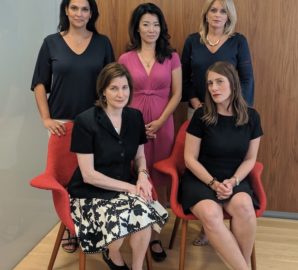
Separate lawsuits against Charter Communications allege that the company’s Spectrum News NY1 cable channel discriminates against female reporters and anchors who are over the age of 40. The case sheds light on treatment of older women in the field of television news.

There is still too much focus on men's fears of false accusations and not enough on the serious effects of sexual harassment and assault.

In the increasingly competitive world of YouTube, few women are among the top earners — and the problem seems to be getting worse.
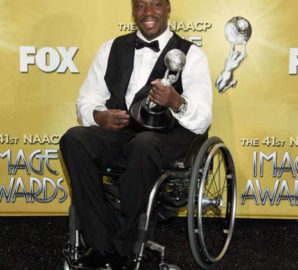
There is still a considerable disparity between the experiences of people with disabilities and the representation of them in the entertainment industry. CBS recognizes this and is one of the first major networks to commit to taking action to change it.

In an excerpt from Sarah Barnett’s interview on “Women’s Media Center Live With Robin Morgan,” which aired June 9 and is available by podcast at wmclive.com and other podcast platforms, Barnett talks about her work promoting women on screen and in TV’s executive suites.

Before Stonewall, lesbians were all but invisible in media. Fifty years of activism and advocacy have made a remarkable impact.
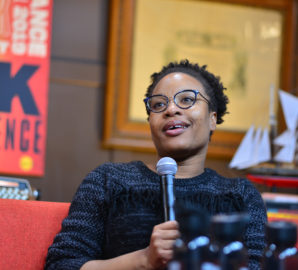
Film festivals are being held more accountable for not showing enough work by female directors. Here’s how some of the major festivals are doing since the 5050x2020 pledge.
The media monitoring organization GLAAD recently released the 2019 edition of their Studio Responsibility Index, an annual report that this year found that of 110 films released in 2018, 20 (or 18.2 percent) of them included LGBTQ characters, the second-highest percentage on record. None of these characters, however, were transgender or non-binary.

The filmmakers hope that the documentary, a devastating portrayal of rape culture, will be used to fuel change.
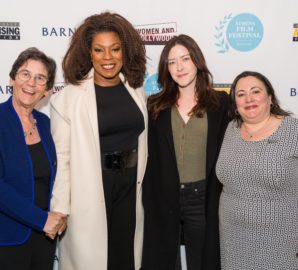
The ninth annual event showcased stories about women leaders as well as ordinary women who rise to meet the challenges in their own lives.

A New York Times article examined how Democratic presidential candidate Sen. Amy Klobuchar has treated her staff members. Nichola Gutgold asks: Will other candidates be given similar scrutiny?

A new study shows that depictions of abortion on TV can dispel myths and destigmatize the experience.

A new report reveals that widespread sexual harassment of Chinese female journalists has been meeting with abysmal responses by media companies and government.

Colleagues are vowing to continue the work of the courageous journalist, who died recently at 46.

Four hundred guests gathered to celebrate women in media at the 2018 Women's Media Awards, held at the Capitale in New York City. Here are the pictures.

A group of world-class photographers are using the power of photography to impact the lives of women and girls around the world.

The latest report on diversity and inclusion in film shows little progress over the last 11 years. Marcie Bianco explores why there has been such stagnation, and what it will take to move the needle.

A groundbreaking new report shows that the American public is deeply ignorant about Native Americans, and calls on media to improve its coverage.