















A Failure to Listen
In Puerto Rico, we live in a state of constant crisis, yet we are asked to remain calm. How can we be calm when we know firsthand what lies ahead after the ravages of Fiona or any other disaster—post-traumatic stress, despair at not being able to contact loved ones when telecommunications and electricity are knocked out, the lack of water, and the interruption of essential services that costs lives. To all of this, add the uncertainty of not knowing when things will return to normal.
Puerto Ricans are fed up with being resilient—a state of response that’s been forced on us. And more than frustration, what we feel is pain.
We are also tired of having to repeat ourselves. I've been a community leader for only 10 years and I already feel that way. I can’t imagine how my colleagues, who have been doing this work decades longer than me feel. I’ve lost count of the number of meetings where I’ve had to make the same argument and demand: without real and effective participation of grassroots leaders in the planning and implementation of recovery and rebuilding programs, the situations that affect our communities will not be solved or prevented.
There are real, palpable consequences for Puerto Ricans when things are not properly done. The day that Fiona made landfall, people were still living under blue tarps since Hurricane Maria. There were poorly repaired roofs by Puerto Rico’s government program Tu Hogar Renace (Your Home Reborn) and half-done construction.
Meanwhile, government agencies continue to amass billions in federal appropriations, without managing to get them to those who are in need. I'm not only referrring to the money allocated for the hurricanes of 2017, but also the funds allocated to address earthquake emergencies and COVID-19.
It’s unacceptable that the community of Ciénaga in Yauco still lives in temporary wooden structures, with one of their leaders left desperate, anxious, and terrified of losing her possessions to Fiona's winds because more than two years after the major earthquakes that hit Puerto Rico, that community still has no safe housing. How does our country allow this kind of situation?
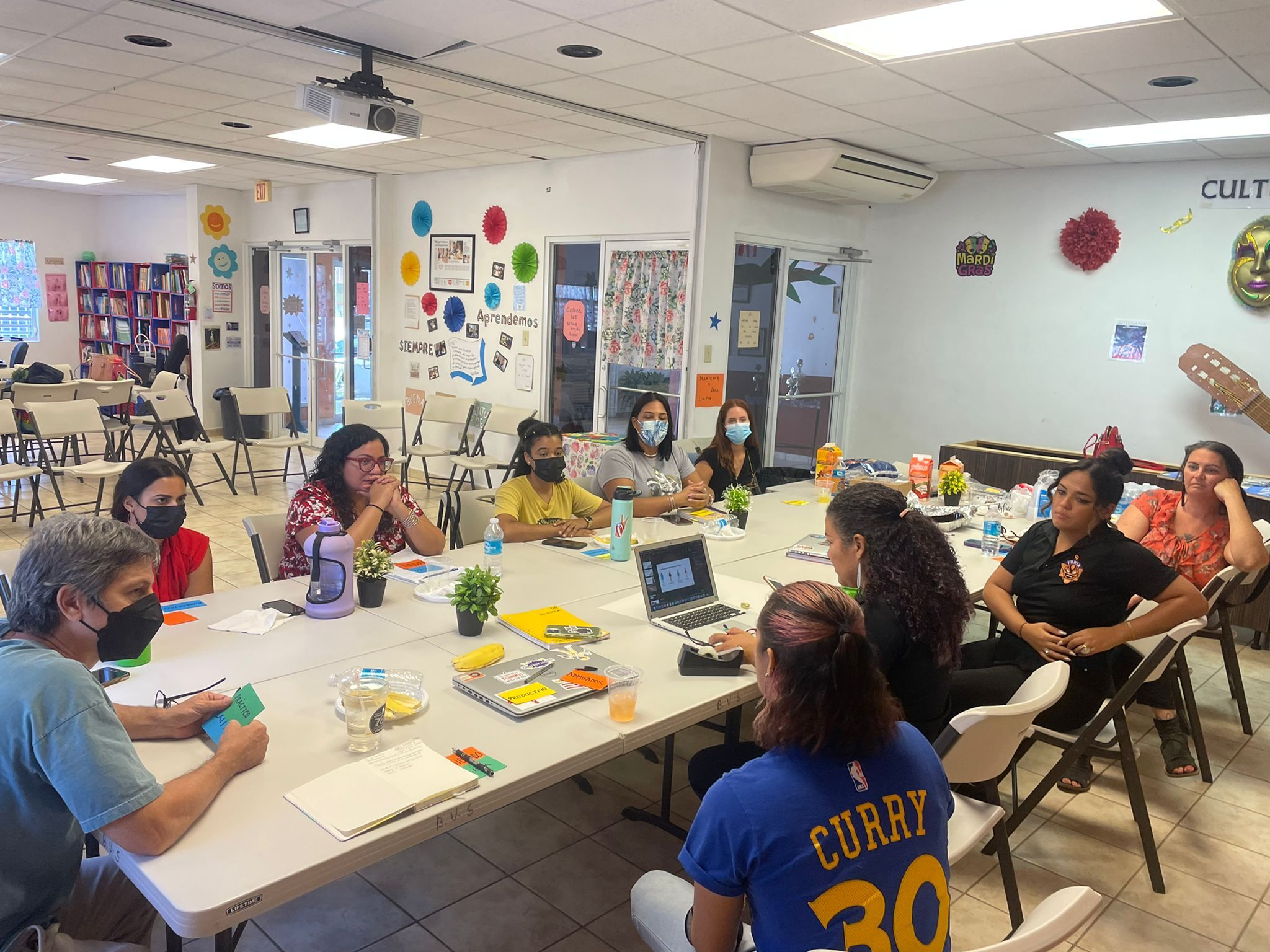
Grassroots and non-profit organizations have been advocating for years for an efficient and effective recovery process that ensures citizen participation and decent housing for our people. At FURIA, Inc. (Firmes, Unidos y Resilientes con la Abogacía, meaning Steadfast, United and Resilient with Advocacy), we have emphasized the need to prioritize the construction of resiliency centers, community shelters that people in vulnerable neighborhoods can take refuge in during disasters.
While local leaders identified the construction of these centers as a priority, this has been ignored and undercut. The CDBG-DR program to allocate federal post-disaster recovery funds specifically for the development of resiliency centers was eliminated. These public funds were reallocated to the City Revitalization Program, which is geared to Puerto Rican municipal governments, with the distribution of money based on reimbursement. This means a potential program recipient must already have in place the money for repairs, otherwise it can’t access program funds. This has made it even more difficult for nonprofit organizations to access money and build resiliency centers.
Funds are also available to mitigate the effects of natural disasters. But where is the sense of urgency?
As an example, community leaders always talk about the importance of dredging bodies of water to prevent flooding. However, it’s not until the torrential rains knock on our door that this option is finally reconsidered. This inaction, both at the state and federal level, makes the impact of Fiona feel worse than Maria for the Tiburones community in Ponce, precisely because the bodies of water that surround its residents have been clogged since 2017. In an archipelago exposed annually to storms and hurricanes, where are our priorities?
Enough with wasting money and contracts to the detriment of Puerto Ricans. We must make way for substantive citizen participation to ensure that public money addresses the needs and solutions identified by the people directly impacted: facilitate access to funds for grassroots organizations; alleviate the bureaucracy that ensnares money midway and that doesn’t allow it to reach households in need; and assure that all government work is transparent. For this, it is imperative that community leaders be at the table working and overseeing the recovery process.
By this, we’re not referring to performative community consultation after a plan is already developed for the people, instead of by them. Citizen participation must be real and effective. There should be workshops and direct dialogue between government and civil society. Mechanisms should be implemented to integrate the input received. The people, who suffer and endure disasters, must participate in the decision-making regarding their own recovery process, through the voice of community leaders, and the community itself through meetings and assemblies.
The long practice among Washington and Puerto Rico government agencies is to facilitate public hearings or public comment periods. But that’s not enough, especially when the current situation in Puerto Rico confirms that many of the recommendations submitted by civil society over years have not been integrated into the post-disaster recovery process.
“The long practice among Washington and Puerto Rico government agencies is to facilitate public hearings or public comment periods. But that’s not enough”
The key to success is the active and direct participation of the Puerto Rican people. I saw this in the Caño Martín Peña project, where after many years of work we can see the fruits of the struggle to dredge that body of water. Through assemblies and meetings, the residents of surrounding communities, as a collective, imagined and designed their future and pushed this vision forward until they achieved it. The process allowed them to be the protagonists in the resolution of the issues that impact them. Communities themselves will generate the solutions to the problems and needs they have identified and support the efforts to address them. There is no other way.
From the trenches, our spaces, and our communities, we move Puerto Rico forward. We insist that Puerto Rican communities are the ones who have the solutions, and that public servants and agencies are there to work for and with us. The time to follow our lead is now.
Translated by Juana Ponce de León.
More articles by Category: Environment
More articles by Tag: Puerto Rico, Fiona, Community leaders, Grassroots, accountability, Climate, Climate change, hurricanes, flooding, Maria


