








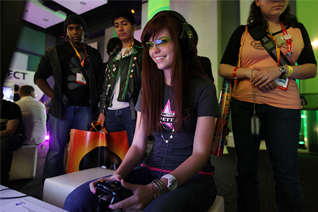


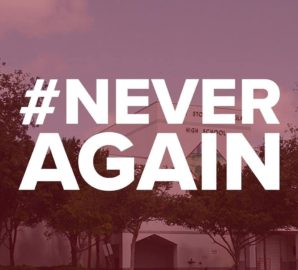
The teen victims of the Stoneman Douglas High School shooting quickly coalesced into a movement: They used the hashtag #NeverAgain to share their experiences on Twitter and made their message clear to mainstream media, too.
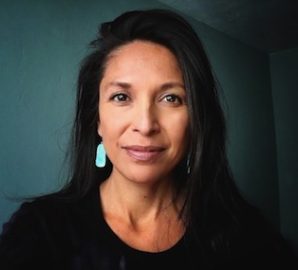
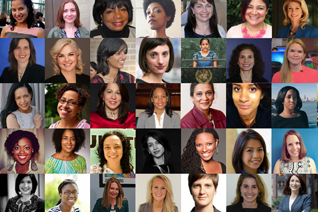
The fourth in a series of interviews with women journalists of color from the Women’s Media Center’s recently released report, “The Status of Women of Color in the U.S. News Media 2018.”

Each year, the National Women’s History Project (NWHP), an organization dedicated to honoring and preserving women’s history, chooses a theme for Women’s History Month. The theme this March is a feminist rallying cry that dates back to last year: “Nevertheless, She Persisted.”
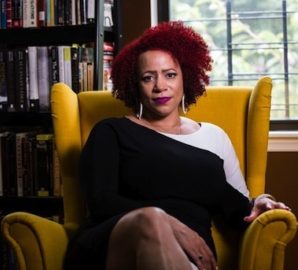
The third in a series of interviews with women journalists of color from the Women’s Media Center’s recently released report, “The Status of Women of Color in the U.S. News Media 2018.”
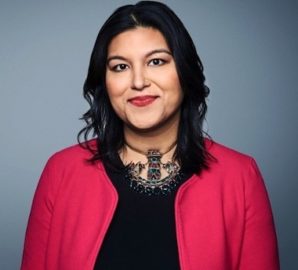
The second in a series of interviews with women journalists of color from the Women’s Media Center’s recently released report, “The Status of Women of Color in the U.S. News Media 2018.”

The last decade saw the slowest progress on closing the gender wage gap in nearly 40 years, according to a report released Wednesday.

Growing up, women are taught how to flirt with men and make ourselves appear softer, smaller, and nonthreatening. We are generally not taught about work and money.

The first in a series of interviews with women journalists of color from the Women’s Media Center’s recently released report, “The Status of Women of Color in the U.S. News Media 2018.”

Sexist dress codes are yet another way our society sexualizes young women and tells them that they need to modify their bodies to prevent other people's discomfort.

Many international donors want to invest in Afghan women’s economic potential. But the country needs to transform its entire gender infrastructure to really change women’s lives, writes Ayesha Ahmad.

This year's Oscars ceremony showed both how far we've come and how far we have to go in the movement against sexual assault.

I have found myself critically examining elements of my own privilege as an American from a metropolitan area that I had previously taken for granted.

LGBTQ murders went up 86 percent in 2017, but remain vastly under-covered in cable and broadcast TV.
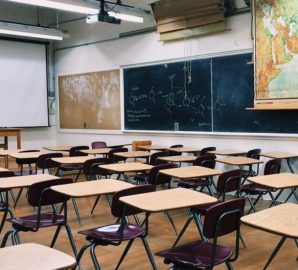
Many educational institutions in Tunisia — especially those in rural areas, where people are generally more conservative and traditional — separate girls and boys from each other within the same class so that female students won’t mix with the male students.

Three years after the launch of #OscarsSoWhite, activists are demanding Latinx inclusion.

The February 14 shooting at Marjory Stoneman Douglas High School may be the tragic event that finally leads to the change this country needs to finally address gun control.

The new Marvel blockbuster imagines an Africana womanhood impervious to the effects of colonialism.

In a new report, a troubling pattern in which journalists paid little mind to ethics and consent when interviewing survivors of sexualized violence emerges.

The fight against injustice will always be long and often discouraging. The only way to persist is to choose a cause you feel that your life—and the lives of others—depends on, one you can speak to from (for lack of a better, less cheesy phrase) the heart.
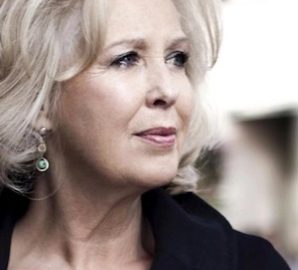
After a highly regarded anthology of Irish poetry gave short shrift to women’s contributions, a group of poets took a stand for inclusion.

Especially during Black History Month, it’s important to not only consider, but prioritize, those who exist at the intersection of marginalized identities.

Finally, audiences — many for the first time ever — get to see a complex black superhero supported by a majority black cast, who thrive in positions of royalty and power based on their society’s technological advancement, in an Afrocentric environment.
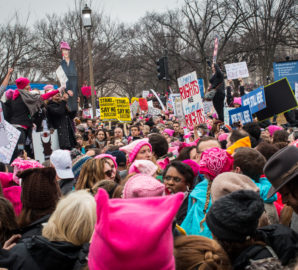
When we got off the bus, everything changed. I felt my innocence leave me that day as I began to grasp what it meant to be a woman.

With a new editorial and hashtag, writer and feminist Mona Eltahawy stirred debate and inspired other victims of sexualized violence in religious spaces to come forward.

They are the hidden cost of Rodrigo Duterte’s drug war in the Philippines: single, teenage mothers whose partners have been killed by police or vigilantes. And without a job or government support, it’s near impossible for them to support their children.