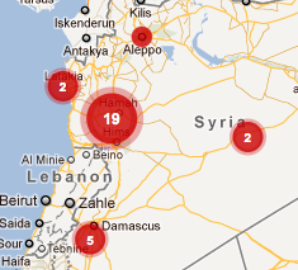


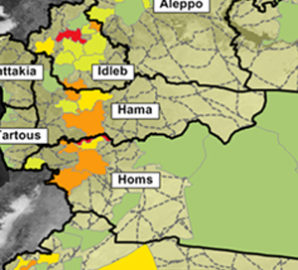
A woman swathed in black squares her shoulders and calmly looks into a camera. She holds a Quran. Only a sliver of her face—her eyeglasses—shows. “What happened to me hasn’t happened to anyone, or if it has affected anyone else I do not know,” she says. “But I will speak and let all the people know what [Syrian leader] Bashar al-Assad and his men are doing.” Over the next four minutes, her breathing grows labored and her voice breaks as she describes how, in May 2011, five men wearing black entered her home on the outskirts of Homs and raped her.


It’s easy to get bogged down in statistics of women who experience sexualized violence in the Democratic Republic of Congo. The numbers are staggering: A study published in the American Journal of Public Health in May 2011 showed that 12 percent of women in Congo had been raped at least once in their lifetime.