
















As the #MeToo movement steadily grows throughout Mexico, with thousands of actions, collectives, and ongoing projects in operation throughout the country, women are finding their power to fight back and build a society in which their lives are not in constant danger.

Women Under Siege discussed the disproportionate impact of the occupation on women with Kashmir scholars Ather Zia, founder of Kashmir Lit and co-founder of the Critical Kashmir Studies Collective, and Nitasha Kaul, a poet, novelist, artist, and associate professor of politics and international relations at the University of Westminster.

Zimbabwe's economic crisis has forced women working in informal setups to the fringes, where they're often rendered vulnerable to physical and sexualized violence.

Women Under Siege spoke with Lisa Wade, PhD, an associate professor of sociology at Occidental College and author of American Hookup: The New Culture of Sex on Campus, to better understand the relationship—and long history—between white supremacy, masculinity, and the American image.

Spain's Partido Socialista Obrero Español (PSOE) party may have won in the country's general elections in April, and in European elections in May, but the threat of anti-abortion, anti-immigration, and anti-feminist party Vox looms large across the country, especially for Spain's women, who have so much more to lose than to gain.

Decades after Guatemala's 36-year internal armed conflict, 36 Maya Achi women are seeking justice against the soldiers who raped them and the officials who gave them the orders.

It's tempting for Western audiences to believe that cell phones beget rape in Congo, but the real root causes of mass sexualized violence in the country require more nuance than that.

If women have historically been silenced and ignored about experiences of conflict-related sexual violence, the inverse is now true: survivors are being pressured to share their stories, emphasizing heinous details of sexual abuse and little else.

The Trump administration’s latest use of domestic politics to hold international rights hostage will cost women's lives.

Several women had reported being raped by security forces during the government crackdown on protests in January. Since then, no formal investigations have been undertaken; no formal independent complaints mechanism has been established; and the outrage has dissipated.

As the number of cases of attempted kidnappings in metro stations mount, feminist civil society is fighting to create a safe city for women, against the inefficacy of law enforcement and a city government that appear ill-equipped to address the daily reality of violence committed against them in public.

A year after Rio de Janeiro city councilwoman Marielle Franco's murder, justice remains elusive, but her life and work live on with her supporters.

When toxic masculinity is present at an anti-harassment training.

Two years after the Hogar Virgen de la Asunción orphanage fire in Guatemala, which killed 41 teenaged girls, the truth is still coming to light, and it's far more sinister with every detail.
The portrayal of sexualized violence as an instinctive and inherent feature of masculinity leads has a potentially devastating impact on our society.
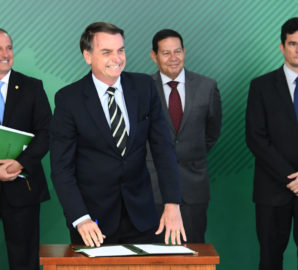
In January 2019, Brazil's newly-elected president Jair Bolsonaro signed a decree relaxing restrictions on gun ownership, a move that could endanger women further in a country ranked first in the world for firearm mortality and fifth for femicides.

Programs for those affected by Boko Haram's insurgency provide economic opportunity for Nigerian women, but they aren't without their flaws.

Rape "jokes" made by a YouTube star are stirring controversy in Brazil, where a rape takes place every 11 minutes.

As the genocide of Yezidi people at the hands of the Islamic State continues, survivors and their allies are still waiting for justice.
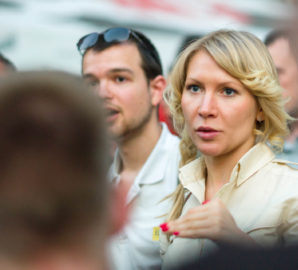
Russia's decriminalization of domestic violence in 2017 is just one example of the many ways the country's leadership undermines and endangers women.

In yet another example of the Trump administration’s callous treatment of women, U.S. Attorney General Jeff Sessions issued a decision last week that all but eliminates the possibility of asylum in the U.S. for victims of domestic violence.

A multi-pronged approach that encourages Kenyan magistrates, prosecutors, doctors, clinicians, and government chemists to work together in pursuit of justice has helped fast track sexualized violence cases and bring justice closer to survivors.

Despite the peace agreement between the Colombian government and the Revolutionary Armed Forces of Colombia People’s Army being the first in the world to acknowledge the different realities and disadvantages women and the LGBTQ population face, advocates say deeply entrenched misogyny is stalling progress.

“Violated! Women in Holocaust and Genocide,” on view until May 12, explores violence and degradation suffered by women worldwide through works made by victims, their relatives, witnesses, and others.

Indian women are reclaiming their sense of safety in public spaces and taking on the patriarchy...one nap at a time.