















Misinformation and false claims about the safety of abortion are proliferating and becoming key components in legislation, litigation, and regulatory policy.
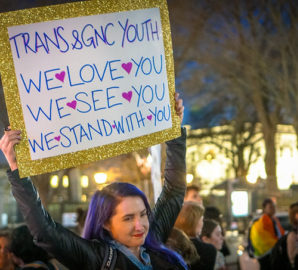
Activists warn that these measures targeting transgender youth are “part of a larger, coordinated effort to roll back the rights for women broadly.”

Demand for affordable, high-quality childcare far outpaces availability, suppressing women’s participation in the workforce. Public investment is needed to quell the crisis.
Trump policies and recent legislation have reduced access to aid at a time of rising food prices.

The increased presence of Immigration and Customs Enforcement agents and the fear of detention and deportation have had chilling impact on access to care.
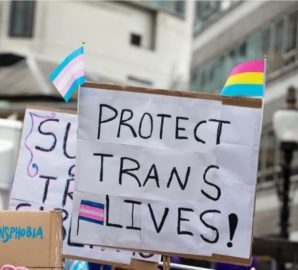
Advocates are encouraging members of the public to weigh in during the public comment period for the proposed new rules.
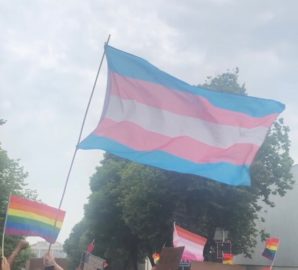
The attacks are coming from all three branches of the federal government as well as state legislatures.

A proposed rule change would bar Veterans Administration health care providers from offering abortion counseling and referrals.

A recent decision by the Board of Immigration Appeals will make things more difficult for women making claims of gender-based persecution.
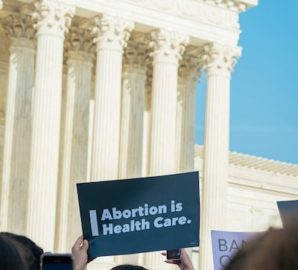
June 24 marks the third anniversary of the Supreme Court decision overturning Roe v. Wade. Three years on, as legislatures in some states impose severe restrictions, advocates and providers are fighting to keep abortion accessible.
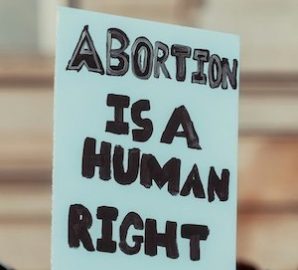
In November, Missouri voters passed a constitutional amendment protecting abortion rights. But anti-abortion lawmakers have been working ever since to find a way to ban abortion once again.

Anti-abortion extremists are trying to revive an antiquated 19th-century law to block access to abortion, but new proposed legislation would weaken the law’s effect.
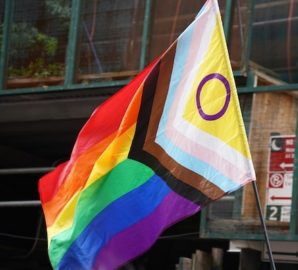
Advocates are preparing to fight back against anti-LGBTQ+ attacks at both the state and federal levels.

Seven U.S. states have passed new ballot initiatives to protect abortion rights, but access still looks different in each of those states.

Women who are under state supervision in places with abortion bans often have to get approval from officials to access care in other states.

A new report documents connections between violent threats and anti-LGBTQ rhetoric and legislation.
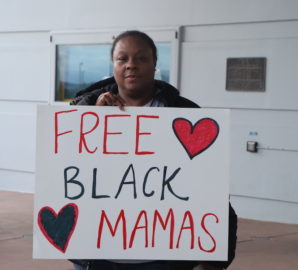
Thousands of women are being held in jail without having been convicted, but simply because they can’t afford bail. Advocates are pushing for reform.

Advocates are finding that in many states, ballot initiatives are an effective way to restore, protect, or expand abortion rights and access. At least 10 states will see abortion questions on their ballots this year.

Organizations that provide services and information have reported digital suppression of abortion information: “The Fight for Abortion Access Is Moving Online.”

A new report documents the connection between the hundreds of anti-LGBTQ bills introduced in state legislatures and measures to restrict voter access.

The bill affirms the legal right to abortion and miscarriage care and would protect patients and providers from criminalization.

Since the Supreme Court overturned Roe v. Wade one year ago, abortion bans and restrictions have resulted in a wide range of negative impacts on obstetric and gynecological care.

Since Roe v. Wade was overturned, abortion funds have adapted to the changed landscape to help keep abortion accessible despite restrictions.

Providers are gearing up for a possible ban on one of the two drugs used in medication abortion, as an anti-abortion group's lawsuit is expected to be decided this week.

Mifepristone will be accessible in pharmacies and through the mail, but still-existing regulations may blunt the new policy’s impact.