













Only a paltry number of women conflict photographers are in the field compared to men, which means that men are largely shaping our understanding of war.

Several women had reported being raped by security forces during the government crackdown on protests in January. Since then, no formal investigations have been undertaken; no formal independent complaints mechanism has been established; and the outrage has dissipated.

As the number of cases of attempted kidnappings in metro stations mount, feminist civil society is fighting to create a safe city for women, against the inefficacy of law enforcement and a city government that appear ill-equipped to address the daily reality of violence committed against them in public.

Sexual harassment and bullying of women have long been commonplace in Nigeria’s bustling markets. Now, women are leading the charge to change its culture.

The women behind "The Feminist on Cellblock Y," which chronicles a classroom of male prisoners as they wrestle with vulnerability and the confines of masculine norms, speak with WMC Women Under Siege about their process, and what the broader public can learn at this critical moment from the men of Success Stories.

A year after Rio de Janeiro city councilwoman Marielle Franco's murder, justice remains elusive, but her life and work live on with her supporters.
When toxic masculinity is present at an anti-harassment training.

Two years after the Hogar Virgen de la Asunción orphanage fire in Guatemala, which killed 41 teenaged girls, the truth is still coming to light, and it's far more sinister with every detail.
The portrayal of sexualized violence as an instinctive and inherent feature of masculinity leads has a potentially devastating impact on our society.

As Venezuela spirals from rampant hyperinflation and violent political clashes, a health crisis has stricken the South American country, it’s the most vulnerable migrants—children, babies and pregnant women—who are being hit the hardest.

In January 2019, Brazil's newly-elected president Jair Bolsonaro signed a decree relaxing restrictions on gun ownership, a move that could endanger women further in a country ranked first in the world for firearm mortality and fifth for femicides.

From grandmother to granddaughters, the Yepes women use "conscious rap" to retake their community in Medellín from the image and legacy of Pablo Escobar.

Why women remain outside the doors of political power is more nuanced than simply attributing it to sexism.

Programs for those affected by Boko Haram's insurgency provide economic opportunity for Nigerian women, but they aren't without their flaws.

Coverage of family separations at the U.S.-Mexico border has stirred outrage. But is what's happening new?

Governments’ political orientation does not determine whether they pursue more or less restrictive migration policies. New research from Katharina Natter and Hein de Haas debunks accepted wisdom on the politics of migration.

Rape "jokes" made by a YouTube star are stirring controversy in Brazil, where a rape takes place every 11 minutes.

As the genocide of Yezidi people at the hands of the Islamic State continues, survivors and their allies are still waiting for justice.
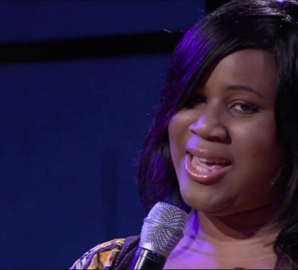
Nigeria's burgeoning comedy scene has a misogyny problem.

When a group of schoolgirls from northeast Nigeria met trafficked women who were struggling to survive after returning home, they knew they had to do something. Now they raise funds to help those women launch their own businesses and rebuild their lives.
New research finds the way women identify their past sexual experiences can shape their sexual functioning and overall health.

A video of Brazilian supporters harassing a Russian woman during the Soccer World Cup shows the ugly side of machismo.
Russia's decriminalization of domestic violence in 2017 is just one example of the many ways the country's leadership undermines and endangers women.

In yet another example of the Trump administration’s callous treatment of women, U.S. Attorney General Jeff Sessions issued a decision last week that all but eliminates the possibility of asylum in the U.S. for victims of domestic violence.

A multi-pronged approach that encourages Kenyan magistrates, prosecutors, doctors, clinicians, and government chemists to work together in pursuit of justice has helped fast track sexualized violence cases and bring justice closer to survivors.