















WMC Women Under Siege
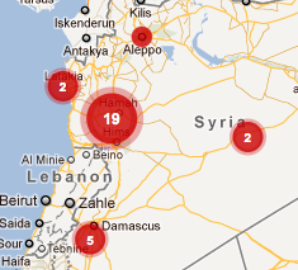
The cartography of suffering: Women Under Siege maps sexualized violence in Syria
When we hear about conflicts in foreign countries and imagine terrible acts, our thoughts don’t turn immediately to rape. We think of bombings and refugees and government suppression.

WMC Women Under Siege
License to rape: How Burma’s military employs systematic sexualized violence
Last week, a young woman from the Karen ethnic minority in Burma reported being “beaten, drugged, and sexually assaulted by two men wearing army fatigues.” In November 2011, reports emerged that four women were being kept as sex slaves by the Burmese military near the Kachin-China border; forced to cook and clean during the day and gang-raped at night by the soldiers in the Light Infantry Battalion 321. These reports, unfortunately, are not rare.
WMC Women Under Siege
13-year-old rape survivor struggles to care for baby in Malawi
“I have lost hope,” a 13-year-old rape survivor tells Inter Press Service. After fleeing war in Congo, she was attacked by her own stepfather in a Malawi refugee camp, where she lives with 11,000 others. Now, she must care for the baby produced by the rape.

WMC Women Under Siege
Guatemala’s war may be over, but the battle continues to be fought on women’s bodies
Guatemala City—There’s a heavy green to this place, layered. Clouds weigh on the hills and seep into the trees and grass and leaves and bushes. Every clearing we pass turns to depths, and in those reaches lie the dead.

WMC Women Under Siege
Ask before you tell: How to make the world better for girls in conflict areas
The most positive, most productive way to improve the lives of girls in conflict areas may appear to be to sharply steer them away from stigma and violence. But as researchers and fieldworkers, advocates and policymakers, we have to consider the pitfalls of thinking we know best.
WMC Women Under Siege
‘Dawn of a new hope’ for whom? Systemic violence and impunity plague women in Ivory Coast
Laurent Gbagbo should have gone quietly. After a decade as President of Ivory Coast, mostly everyone—Ivorians and outsiders—agreed that he had lost the November 2010 election to Alasanne Outtarra. But he didn’t go and certainly not quietly, instead plunging the country into sinister chaos until his arrest in April.
WMC Women Under Siege
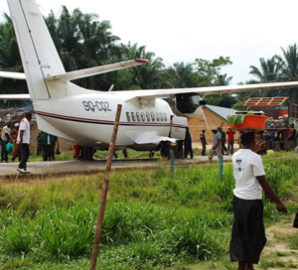
Minerals, militias, and rape: How do we make peace a reality in Congo?
As nightfall approached on July 30, 2010, hundreds of armed men streamed into the village of Luvungi in eastern Congo from the nearby forests surrounding the area. At first they told the villagers they were just there for food and shelter and that their presence should cause no alarm. However, what unfolded over the next four days marked one of the worst attacks against a civilian community in Congo in the last two years.
More In WMC Women Under Siege
Archive
- 2026
- 2025
- 2024
- 2023
- 2022
- 2021
- 2020
- 2019
- 2018
- 2017
- 2016
- 2015
- 2014
- 2013
- 2012