















Two New Reports Document Sexual Abuse in Government and Impact on Women Lawmakers
Representatives Eric Swalwel (D, Calif.) and Tony Gonzales (R, Texas) both recently resigned from Congress in disgrace in the wake of allegations of their sexual misconduct with staff members, including allegedly sending sexually explicit text messages and committing sexual assault.
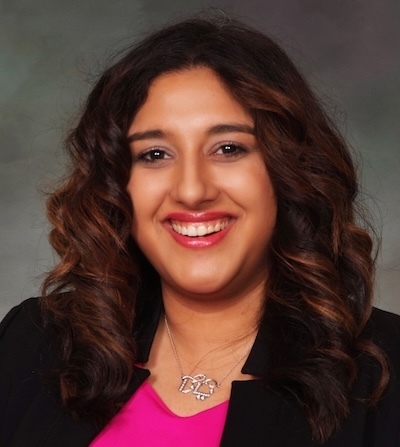
Last April, former Colorado Rep. Ryan Armagost (R, Berthoud) took a photo of Rep. Yara Zokaie (D, Fort Collins) from the chamber floor without her consent and posted it in a Republican House caucus group chat with derogatory comments about her appearance. Other Republicans added crude and cruel comments. Within an hour, someone posted the image on social media, prompting a slew of abuse and threats again Zokaie, causing her great emotional stress. When the threats included her children and their school address, she was so alarmed that she requested security assistance.
These three stories are not outliers, according to two new reports from the National Women’s Defense League, Abuse of Power: Revealing Sexual Harassment and Misconduct in Congress and Abuse of Power: Uncovering Sexual Harassment in State Government. They are co-authored by the co-founders and co-directors of the NWDL, Emma Davidson Tribbs and Sarah Jane Higginbotham.
Alarmingly, at the national level, the first report found that in the past 20 years, at least 30 members of Congress from 13 states and Guam have faced workplace sexual harassment allegations, totaling at least 53 accusations publicly reported. Most allegations (77%) came from legislative staffers. Examples of other affected groups included lobbyists (9%), journalists (2%), and other lawmakers (2%).
When including accusations of sexual misconduct that took place outside of the workplace or occurred prior to their time in Congress, the figure rises to 49 members of Congress who have been publicly accused, in 137 accusations.
Among the lawmakers accused of workplace misconduct in Congress, 97% were men; 60% were Republicans and 40% were Democrats.
NWDL’s latest state-level reporting found that over the last 12 years, 162 state officials have been publicly accused of sexual harassment, with more than 424 distinct incidents. Of the accused officials, 52% were Republicans and 48% were Democrats.
Davidson Tribbs and Higginbotham emphasize that the data only reflect the accusations found in publicly available sources, such as official complaints and media reports. Since it’s well documented that a small percentage of sexual harassment cases are reported, they say that the number of lawmakers who have committed sexual abuse is much higher.
During a launch event for the two reports held via Zoom in late April, Higginbotham said of the state-level report, “This year’s update is a repeated warning about the state of our democracy and women’s role in it. These abuses of power are impacting who serves and how effective and focused they can be.”
Davidson Tribbs added, “The overwhelmingly disproportionate impact on women is contributing to the gender gap and a distortion of representation in our policymaking.”
Women hold only 33% of state legislative seats and just 28% of congressional seats.
“These abuses of power carry real consequences,” the NWDL state government report reads. “They harm survivors, disrupt the work of policymaking, and create barriers for staff, particularly women and minorities, seeking to enter and remain in public service.”
The state-level NWDL report also highlighted the personal consequences of sexual harassment in legislative bodies. “Survivors continue to face retaliation and professional risk when they come forward, and consequences for those accused vary widely. Internal processes are confusing and designed to manage liability rather than ensure safety. As a result, disclosure alone has not translated into meaningful cultural change.”
During the reports launch event, Zokaie spoke about her experiences of sexual harassment last year and how this kind of abuse is used to silence women in office.
She said it was no coincidence that she was promoting a bill to combat price gouging at the time of the targeted abuse. “I am an outspoken, progressive woman of color who was getting things done. It was meant to silence me and make me sit down and not keep pushing that boundary.”
She added, “Harassment has always existed in these spaces of power in order to silence those who push back against who’s in power… Women, and particularly women of color, get targeted because we are the ones that tend to be those disruptors of the typical people in power.”
When she began receiving scores of threats after her photo was posted, she said she initially wanted to “put my head down” and not speak out due to the impact on her mental health. However, House Majority Leader Monica Duran (D, Wheat Ridge) said she wanted to do something because what happened was not OK. Zokaie said that she appreciated that Duran reviewed security footage to find out who had taken and posted the photo.
“Having that support from another woman who spoke out on my behalf was huge,” she said.
Armagost, the person who took and posted the photo, ironically chaired the House Workplace Harassment Committee. The legislative session ended four weeks later in early May, and he was still in that role until August, when the House held a special session and passed a resolution to condemn Armagost. He resigned after the resolution was made public.
During that special session, Zokaie spoke on the House floor about her experience. She said, “This is a culture designed to silence women, but it will not silence me. It will not dictate how I dress. It will not stop me from doing my job. I refuse to sit down and stay quiet because this kind of conduct does not just target me, it sends a message to women in politics everywhere to not run in the first place. And that is exactly why we have to stand against it.”
Even when people speak up, though, the NWDL reports found that most accused lawmakers face few consequences. Overall, only 30% of accused lawmakers faced any formal outcomes, and 40% resign.
“Resignation is the end of a moment,” Higginbotham said. “In some cases, in many ways, it is a get out of jail free, and actual policy reform is going to be what actually changes the system in the long run.”
Instead, the co-authors wrote in the state-level report that they believe there can be meaningful improvement when government bodies move “beyond reactive responses toward systems that prioritize safety, reduce conflicts of interest, and intervene before harm occurs.”
Another panelist at the Zoom report release was North Carolina Representative Vernetta Alston (D), who co-sponsored House Bill 493 in 2025 with Representative Allison Dahl (D) to address sexual abuse faced by people in their General Assembly. This bill would enact a confidential reporting system, independent investigation, mandatory ethics training, and anti-retaliation protection.
Alston said of the bill, “Hopefully it’s progress and a pathway toward better reporting and better accountability and a safer workplace for everyone, so we’ll keep working on it.”
Currently, NWDL reports there are 34 similar bills that have been introduced in 28 states. NWDL hopes that their reports can inform this kind of work in all kinds of legislative bodies, policies that create “better reporting processes, stronger protections against retaliation, and real consequences for misconduct.”
Not only would these changes improve the safety of individuals in their workplaces, but it could strengthen our representative democracy. If more women felt that they could work safely in legislative bodies, it would result in government that better represents the interests of all people.
More articles by Category: Misogyny, Politics
More articles by Tag: Sexual harassment, Politics, Women's leadership


