















Proposal Would Allow Proxy Voting for New Moms in US House
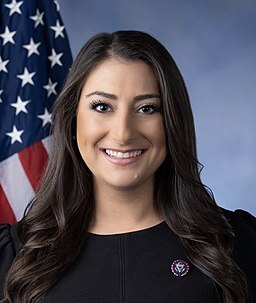
In a rare show of bipartisanship, two Congresswomen introduced a bill back in January that could change how women in the House of Representatives balance the demands of motherhood and voting duties.
Rep. Anna Paulina Luna, R-Fla., and Rep. Sara Jacobs, D-Calif., announced House Resolution 967 which aims to amend House rules by allowing a member “who has given birth to designate another Member as a proxy to vote, except for a quorum call. The Member may designate such a proxy for up to six weeks after the birth.” Both women had their reasons to team up and create this bill.
“When I had my first baby, Henry, I went through a brutal recovery, and my doctors advised me not to travel,” says Luna, the 12th member of Congress to give birth while in office. “Leadership then told me I could not vote by proxy while I recovered. As a new mom in Congress, you’re forced to choose between your career and having a family. And to better serve our constituents, we should not be disbarred from being able to vote in crucial legislation that can ultimately affect them.”
Seeking a solution, Luna researched the House rules and reached across the aisle to Jacobs, who froze her eggs during her first year in Congress in 2021. The idea of new mothers voting by proxy was something Jacobs had in mind.
“I represent California, and so that's a lot of travel back and forth,” she says. “I knew that it just wasn't feasible for me to have a baby at that time. And I think it's something that's really important to make sure this institution actually works for more younger people and new parents.”
The bill comes 51 years after the first woman gave birth while in office. Congresswoman Yvonne Brathwaite Burke delivered her daughter in 1973 and in a 2015 interview, she explained “... it was unusual for a woman who was in business or an elective office to talk about having family and being able to carry out their duties.” Eventually, Burke would leave Congress over the demands of work and motherhood.
Since then, eleven House members, including Luna, have given birth. In 2018, Sen. Tammy Duckworth became the first Senate member to give birth. Not long after, she arrived on the Senate floor with her infant daughter in her lap to cast a vote, just hours after the rules were changed to allow babies to be brought to the Senate floor.
Beyond Capitol Hill, mothers elected to office nationwide have also faced the challenges of balancing work and a baby. In September 2020, Californian Assemblymember Buffy Wicks brought her newborn to a floor session after being denied a proxy vote during the COVID-19 pandemic. According to Politico, Wicks was not allowed the proxy “on the grounds that maternity leave is not eligible for proxy voting.”
New York State Senator Samra Brouk feels the pull between being a mom and a politician. Her daughter was born in 2022, about 13 months after Brouk’s third term began. She has since been focusing on improving maternal health in New York, particularly by increasing access to doula care, which she says helped her with delivering her child and postpartum recovery.
“There’s more women, and more mothers, than ever before in office,” she says. “They can do this and have a family, and not choose between the two.”
Also excited for H. Res. 967 is Liuba Grechen Shirley, who ran for a New York seat in Congress in 2018 when her children were 1 and 3 years old. During that campaign, she became the first woman to get federal approval to spend campaign funds on child care. Since then, 68 federal candidates have used those same funds for child care. This experience led Grechen Shirley to start the Vote Mama Foundation, which aims to make it easier for mothers to run for office.
“Our entire system is failing women and children and families in this country,” she says. “And it's because we don't have enough legislators in office who actually understand these issues at a visceral level.”
Grechen Shirley believes that legislators legislate on lived experience and points out that Luna did not support voting by proxy until after the birth of her son. The congresswoman admits this while explaining voting by proxy during the pandemic is different from what her bill would cover.
“We saw how members abused it to attend fundraisers and space shuttle launches. Some even voted by proxy while on vacation on boats,” Luna says. “We are not asking to be counted to establish quorum on the House floor or committees, which goes against the Constitution. My bill would simply allow new mothers in Congress to vote by proxy for six weeks after giving birth.”
As thrilled as Grechen Shirley is with H. Res. 967, she would like to see it include others in addition to new moms. This would mean new dads, parents who have welcomed a child via surrogacy or adoption, and those who may be ill or care for those who are. Still, Grechen Shirley believes the bill is a start.
Both Luna and Jacobs say the bill is a conservation starter over how to make Congress more flexible for women interested in running for office. The bill has 34 co-sponsors, 27 Democrats and seven Republicans, including some men from both parties. Jacobs says some members of Congress who are beyond reproductive age and have not considered this issue are now discussing it.
However, there are concerns about whether the bill will progress. Both Congresswomen say many are unwilling to support the resolution, with Jacobs saying House Republicans are more resistant to proxy voting and she hopes Democrats will be in charge next term.
Even so, both Luna and Jacobs plan to fight hard for this bill.
“I will do everything I can to get this over the finish line,” says Luna. “Even if it means doing a discharge petition. Women should not feel disqualified to run for public office just because they won’t be given their full authority if they decide to become mothers. We should all embrace motherhood for a better future.”
More articles by Category: Politics
More articles by Tag: Parenthood, Congress, Family


