













The continued exclusion of female talent shows that major awards are based not on merit but on the biases of individuals.

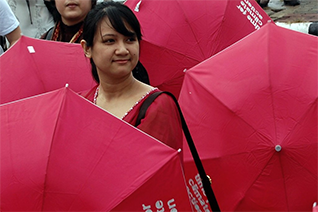
Here's what happened on Jane Fonda's 82nd birthday. She wanted 82 people to get arrested to bring attention to the climate emergency. One hundred and forty three people were arrested. Photo essay by Jenny Warburg

Although several major film festivals have pledged to have equal representation for female directors by 2020, progress has been slow. Here is our year-end follow-up to our midyear report on how they are doing.
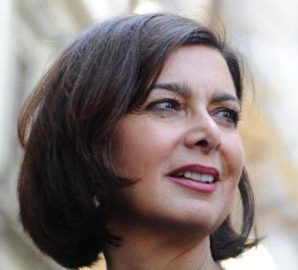
Research shows that social media exposes female politicians to online abuse, but it also enables them to engage directly with their constituencies without the bias of mass media.
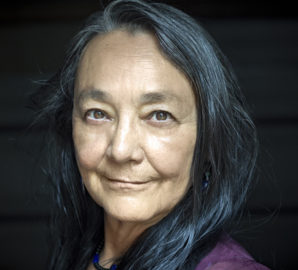
Cardinal's role in ABC's Stumptown — a tough, complex CEO — is one of the most prominent indigenous characters ever to appear on U.S. television.
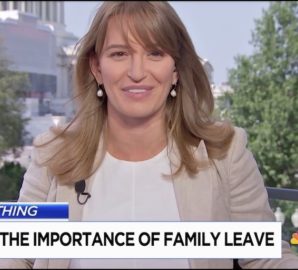
Can the visibility of prominent female journalists help to smash stereotypes about workers who are pregnant or new mothers?

Human rights advocates are decrying the Trump administration's policy of requiring asylum seekers to stay in Mexico for the duration of their immigration proceedings.

In her posthumous memoir, Edie Windsor details her vivacious sex life and in the process shatters stereotypes not only about lesbians but about older women in general.

The discussion around Rep. Katie Hill's resignation has mostly missed the truths about the crime that was committed against her.

WMC Women Under Siege editor Frances Nguyen interviews Women's Media Center Board Co-Chair Pat Mitchell on her new book, “Becoming a Dangerous Woman: Embracing Risk to Change the World.”

Four hundred people gathered last night at the 2019 WMC Women’s Media Awards at the Mandarin Oriental in New York City to honor a variety of women whose work embodies the WMC mission of making women visible and powerful in media.
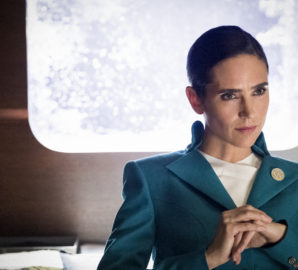
Showcases at New York Comic Con, an annual event for pop culture fans, indicate that the future is getting brighter for on-camera female representation in superhero/sci-fi films and TV. Behind the camera, progress has been much slower.

In an excerpt from Jane Fonda's interview on “Women’s Media Center Live With Robin Morgan,” which aired October 13 and is available by podcast at wmclive.com and other podcast platforms, Fonda talks about Fire Drill Fridays, her new campaign to mobilize action on climate change.

Recent revelations about how women's personal information is used by Facebook and other companies highlight the need for women to protect their privacy — and the need for more women in tech leadership.

After a surge of bans this year, abortion providers and advocates are expanding coalitions to widen the network of support for rights and access.

Even though Latinos are 18.3 percent of the U.S. population, research has found that only 4.5 percent of all speaking characters in top films are Latino — a number that has changed little over the years.

Playwright Clare Barron's new work explores how girls and women often feel they can’t openly go after what they want.

Writer Alison Friedman reflects on what Christine Blasey Ford's courage has meant to many women.

Gloria Steinem and Christine Ahn return to the DMZ to call on the leaders of the United States and North Korea to return to talks and negotiate a final settlement to the nearly 70-year-old Korean War. Ahn's article argues the importance of including women in the peace negotiations.

The first-ever global survey on “conversion therapy” calls for government and the medical field to take steps to put an end to the discriminatory practice.

Despite being a majority of ballet audience and donors, women are being denied opportunities in the field.

The Department of Homeland Security is targeting workers it should be protecting, as recent ICE raids shine a spotlight on exploitative conditions at poultry farms.

Separate lawsuits against Charter Communications allege that the company’s Spectrum News NY1 cable channel discriminates against female reporters and anchors who are over the age of 40. The case sheds light on treatment of older women in the field of television news.

“The take-home message is clear: We need more women in office to solve our environmental challenges,” said Fern Shepard, the president of Rachel's Network, which issued the new report.