
















There is a long history of anti-Asian bigotry—and resistance—in the U.S.

Groundbreaking writer-director Alice Wu surprises with her long-awaited second feature.

White Americans must disavow, relinquish, dismantle, and divest from white supremacy at an individual and institutional level.

“On the Record” focuses on empowering Black women in the #MeToo movement.
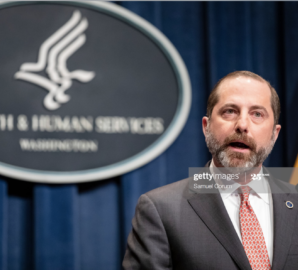
The Health and Human Services department is continuing plans to undo antidiscrimination provisions of the Affordable Care Act.

Pandemic-related lockdowns disproportionally burden women. By asking the right questions, policymakers can create policies that alleviate that burden.

The many unnecessary barriers to abortion access in the U.S. have grown exponentially during the pandemic, forcing providers and patients to adapt.

More documentary films by and about women are getting awards recognition and finding sizeable audiences. Here is a list of docs, released over the last year, that are available for streaming.

The COVID-19 shutdown is wreaking havoc on child visitations and family reunification.

The disparate impact of the coronavirus on Black women is revealing and deepening existing inequalities. Fighting it requires an intersectional approach.

Low-paid women workers have been devastated by the displacement cause by the pandemic. Advocacy groups are rallying to help them.

Advocates are sounding the alarm about the risks of the new coronavirus spreading inside correctional facilities.

These recent works by Black women historians challenge conventional narratives of the history of the United States.

While necessary to combat the spread of COVID-19, sheltering in place has been shown to exacerbate domestic violence.
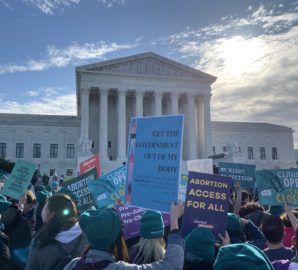
Advocates are expressing concern that less than four years after the court ruled that TRAP laws are unconstitutional, it has agreed to revisit the question.

In the powerful new film "Never Rarely Sometimes Always," a teenager has to cross state lines to seek abortion care.

Weinstein and Simmons accusers had an opportunity to speak out at a festival panel and react to Weinstein's conviction.

The new film by Céline Sciamma places equality at the center of a love story.

Although media attention to the problem has waned, the harsh reality is that between 64,000 and 75,000 Black women and girls are currently missing in the U.S.

Some large art museums are starting to address the glaring underrepresentation of women artists and artists of color.

The annual day to celebrate female athletes has taken on a new urgency as women in sports are rising up more than ever to demand equality — but discrimination persists.

In creating the movie ”The Assistant,” writer/director Kitty Green interviewed more than 100 women who worked or had worked at Weinstein’s companies, as well as women at other studios and agencies.

As financial markets place more emphasis on companies’ social and environmental impact, the social risk created by large-scale protest can affect their bottom line.
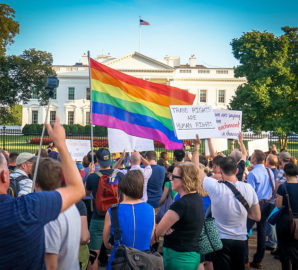
The House passed a comprehensive rights bill last year, but it died in the Senate. A new proposed compromise would ban discrimination — but with a major loophole.

The Black Lives Matter co-founder is directing a new program for artists that connects creativity and activism.