












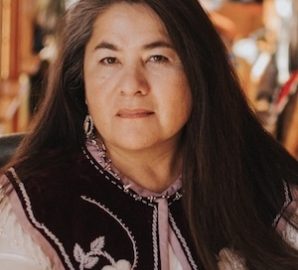
The 19th Amendment didn’t secure the right to vote for Native American women, despite their strong influence on suffragist ideas.
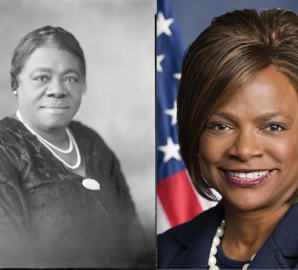
Despite the unfulfilled promise of the 19th Amendment, Black women have traveled an impressive distance over the last century, and continue to exert outsize political influence.
Wider implementation could help change the dramatic underrepresentation of women in elected office at every level.
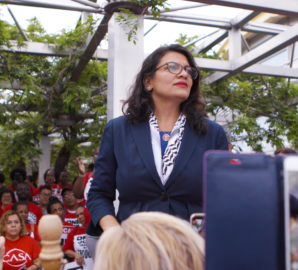
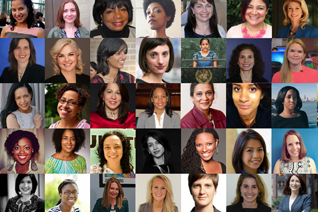
The docuseries, And She Could Be Next, shows that women of color are “changing what the face of leadership looks like” in the United States.

During the pandemic, governments have been curtailing rights—but activists are fighting back.
The Health and Human Services department is continuing plans to undo antidiscrimination provisions of the Affordable Care Act.
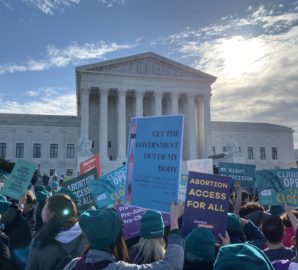
Advocates are expressing concern that less than four years after the court ruled that TRAP laws are unconstitutional, it has agreed to revisit the question.
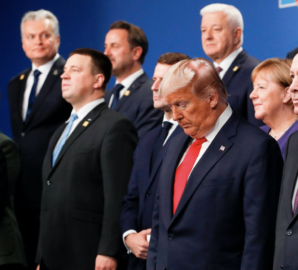
Nearly 90 percent of people in 75 countries demonstrated at least one bias against equality—with 91 percent of men and 86 percent of women showing bias in one of the four areas studied.
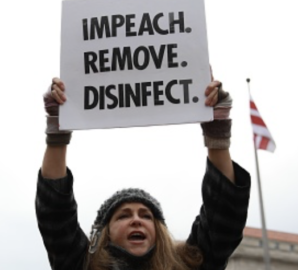
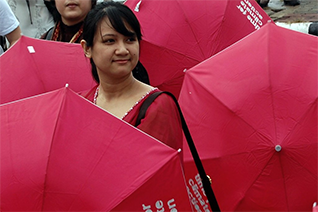
Thousands of women repped the resistance front and center at the fourth annual Women’s March taking place in cities across the U.S. on Saturday.
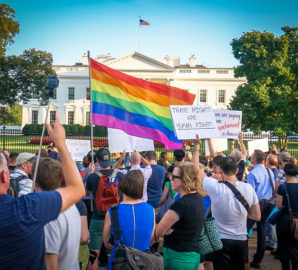
The House passed a comprehensive rights bill last year, but it died in the Senate. A new proposed compromise would ban discrimination — but with a major loophole.
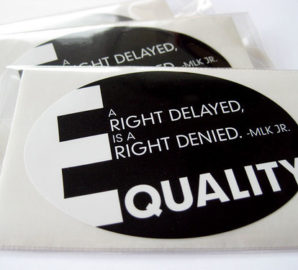
An opinion issued Wednesday from the Justice Department's Office of Legal Counsel may scuttle an effort to ratify the Equal Rights Amendment.
Research shows that social media exposes female politicians to online abuse, but it also enables them to engage directly with their constituencies without the bias of mass media.

The United States has not had a working Violence Against Women Act since February, when VAWA lapsed during a rush to pass legislation to (unsuccessfully) avoid a partial government shutdown. And now, while the House has already passed a version of the act earlier this year, the Senate is refusing to take up the bill because of pressure from the National Rifle Association.

Amid ongoing violent demonstrations against the re-election of Bolivian President Evo Morales, masked protesters on Wednesday kidnapped the mayor of a small town in central Bolivia.

The discussion around Rep. Katie Hill's resignation has mostly missed the truths about the crime that was committed against her.

With the election of a Democratic plurality on Tuesday, Virginia is poised to become the 38th—and final—state to ratify the ERA and make it a reality.

Writer Alison Friedman reflects on what Christine Blasey Ford's courage has meant to many women.

Of the many topics about which moderators asked the Democratic candidates during the second round of debates on July 30 and 31, two crucial ones were noticeably absent: reproductive and disability rights.

“The take-home message is clear: We need more women in office to solve our environmental challenges,” said Fern Shepard, the president of Rachel's Network, which issued the new report.

Alicia Garza, the principal and co-founder of the Black Futures Lab, is determined to flip the where candidates talk about Black communities, but don't talk to them—beginning with "the largest survey of Black people conducted in the United States since Reconstruction."

In a new book, the founder of Moms Demand Action tells how women are making a difference in the fight against gun violence.

On Wednesday, the House of Representatives passed a spending bill that includes the renewal of the Hyde Amendment. The amendment denies the use of Medicaid funds for abortion care with only limited exceptions.

Kathryn Kolbert, co-counsel in the landmark Planned Parenthood v. Casey Supreme Court case, gives her perspective on the current push to ban abortion — and what we can do about it.

The Trump administration issued another anti-choice policy on Wednesday, limiting federal funding for medical research that involves fetal tissue and canceling a multimillion-dollar contract for a lab that’s using the tissue to combat HIV/AIDS.

Pro-choice religious leaders are an increasingly visible component of the growing movement fighting back against extreme abortion bans.