















Defending Sonia
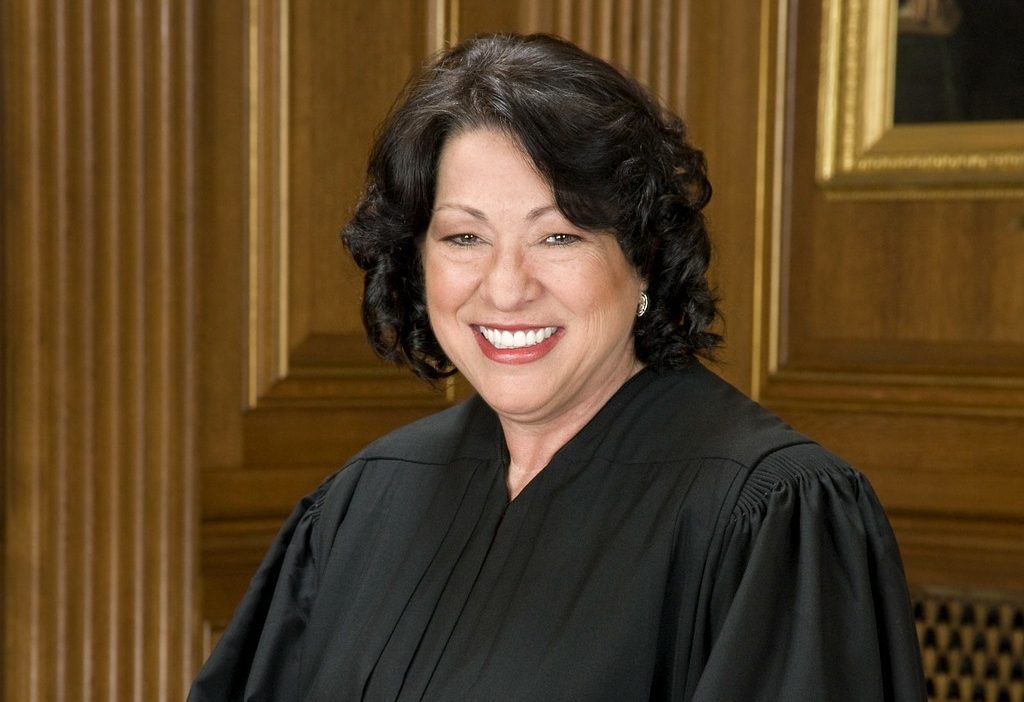
In 2009, in a confirmation hearing for then Supreme Court nominee Sonia Sotomayor, the late Senator Tom Coburn interrupted her, saying “you’d have lots of 'splainin’ to do.” Senator Jeff Sessions pounced on her and the civil rights organization LatinoJustice PRLDEF. Sotomayor would come under fire for her “wise Latina” comments, decontextualized by the right but also by conservative and liberal news media alike. Her intellect and temperament would be repeatedly assailed, overtly and behind closed doors. Harvard professor Laurence Tribe wrote in a leaked memo that Sotomayor was “not nearly as smart as she seems to think she is.”
Puerto Ricans and Latinos were incensed at the suggestion that this summa cum laude graduate from Princeton University, Yale Law Journal editor, and federal judge who had heard thousands of appeals and delivered hundreds of opinions was anything less than superbly qualified to serve on the Court. “If you gave a white male her credentials, no one would question it,” said Lee Llambelis.
After President Barack Obama nominated Sotomayor, Llambelis, a lawyer and communications professional, took a two-month leave from her job to work with a coalition of national groups in defense of the nominee. She focused on placing experts and validators in the media who could push back on attempts to discredit her. One of those attempts was around Sotomayor being a product of affirmative action.
“Yes, she’s a product of affirmative action. It was a door-opener that changed the course of her life. It was also one of the few ways minority students from poor communities could get accepted into prestigious institutions of higher education,” Llambelis said, adding that "no one questions the access to elite universities that legacy students have on the basis of their wealth and familial connections.”
As Judge Kentanji Brown Jackson continues to face Senate scrutiny this week, the grilling of the first Black woman nominee to the Court is bringing back memories for Llambelis and other Latinos closely involved with what was an all-hands effort to secure the Sotomayor confirmation.
At even the rumor of a Black woman being nominated to the Supreme Court —a commitment President Joe Biden made on the 2020 presidential campaign trail— Republicans and their pundits began tapping their playbook—predicated on the racist and sexist belief that women of color are unworthy to lead at institutions some white men think they are entitled to dominate. “A Black woman who is immensely qualified will always be seen as unqualified by these particular senators,” said Juan Cartagena, the former president of LatinoJustice.
During the Sotomayor nomination and hearings, racism and politicization were there. After all, this was the first Black president nominating the first Latina to the Court. “It was just masked,” said Lillian Rodríguez-López, then president of the Hispanic Federation, a national nonprofit network. “Now, you have this outrageous rhetoric…I would say going back to the 1950s and 60s type of rhetoric.”
The fire thrown at Sotomayor included an attack on a venerable institution that has for decades defended Latino rights. José Pérez and his colleagues at LatinoJustice PRLDEF spent weeks going through hundreds of boxes of the organization’s documents to answer a Senate Judiciary Committee request. Sessions, armed with a report by Judicial Watch, was trying to frame LatinoJustice, which Sotomayor had served on the board of, as extremist. “This was a witch hunt to try to smear her,” said Pérez, deputy general counsel for the legal group.
“When you have such a visible symbol of what your community is able to accomplish, you just have to hold it up and make sure no one is allowed to tarnish it”
At a time when the double-edged proliferation of social media was yet to be felt, Rodríguez-López described countering Sotomayor’s detractors and their attempts at misinformation outside the Senate building. “You had people who were there with very horrible messaging,” she recalled. In the midst of humid summer days, Sotomayor supporters maintained a loud physical presence. “When you have such a visible symbol of what your community is able to accomplish, you just have to hold it up and make sure no one is allowed to tarnish it.”
The presence wasn’t only for reporters. “We wanted to make sure that when she [Sotomayor] walked through those doors, she saw there were people who looked like her that cared about this and were saying presente,” said Rodríguez-López, adding that a range of civil rights, civic and women’s groups –Latino and non Latino– rallied for her confirmation.
Sotomayor’s eventual history-making as the first Latina Justice confirmed to the Supreme Court was decades in the works, with Latino organizations and elected leaders keeping a steady drumbeat for federal judicial nominations from administration to administration. One of those many advocates was Carlos Ortiz, who served in various roles with the Hispanic National Bar Association. In a 1991 meeting initiated by Republican White House officials with leaders in the Latino legal community, Ortiz said they were told “we don’t perceive that the Hispanic community can unite around one candidate” for the Supreme Court.
The comment was insulting, Ortiz said. Today, it stands as a reminder of what Latinos are able to usher in when we’re all hands — or as close to that as possible.
More articles by Category: Politics
More articles by Tag: Kentanji Brown Jackson, Senate, Supreme Court, Women of color, Sonia Sotomayor, Judiciary, Racism, Sexism, hearings


