















Womxn are flourishing in the Yucatecan Ballroom Scene
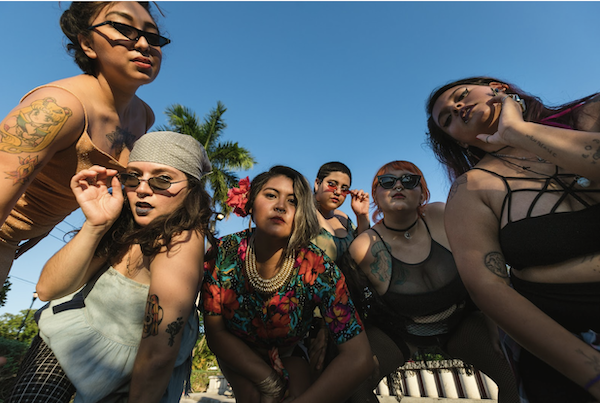
Womxn in Yucatan, Mexico, are fighting against misogyny, homophobia, classism, and racism on a daily basis. While there are several feminist initiatives in Yucatan that advocate for policy solutions to these problems, some womxn in the state are fighting back through the arts. One such community doing so is the Yucatecan ballroom scene.
Participants in the ballroom scene celebrate the joy of having a space in which they feel beautiful and appreciated. While this community is highly diverse and includes those who identify as gay, trans, non-binary, gender fluid, and more, most members tend to share similar experiences of having experienced violence solely because of their identities.
“Balls” are spaces of celebration created by and for the ballroom community. At balls, performers compete against each other in different categories. A very popular category of dance is “vogue,” which is a dance style that was created in ballroom communities.
Below, six womxn leading the Yucatecan ballroom scene describe their experiences and what the culture has meant to them.
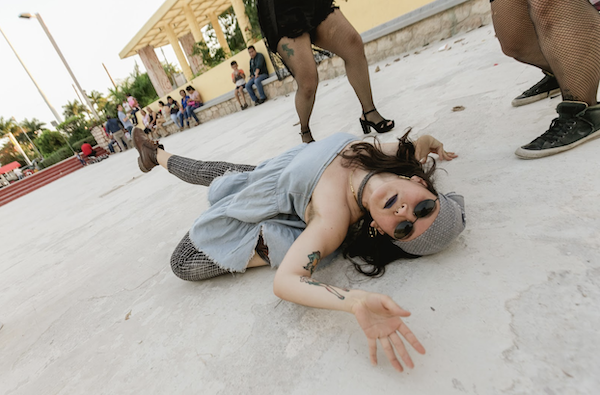
“The fact that ballroom culture exists in Yucatan is a wake-up call: You say this city is safe? You say this city is inclusive? It is not. We have to build our own spaces because we feel that we are in danger, not only because of a conservative society that persecutes us for being different, but because of the danger of a corrupt government that silences violence to prioritize tourism and economy. Such a government reminds us that we do not matter. But then Ballroom shows us otherwise: We do matter and we can change things.” — Nina Apocalipstick (House of Apocalipstick)
El hecho de que exista cultura ballroom Yucatán es una llamada de atención: ¿no que tu ciudad es muy segura?¿no que tu ciudad es incluyente? No lo es. Tenemos que construir nuestros espacios porque nos sentimos en peligro, no sólo por una sociedad conservadora que nos persigue por ser diferentes, sino por el peligro de un gobierno corrupto que silencia las violencias para priorizar el turismo y la economía. Un gobierno así nos recuerda que no importamos. Pero entonces llega el ballroom a decirnos que sí, que sí importamos y mucho.
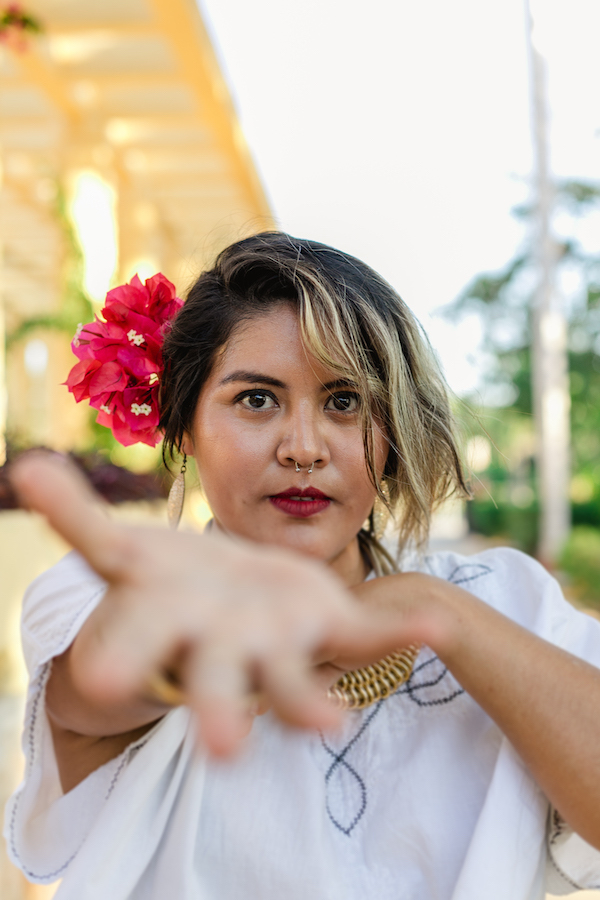
“Lately, I’ve been reflecting on the politics of being a Yucatecan woman. This reflection is growing along with my feminism and the recognition of myself as a mestiza (mixed race). It’s about recognizing my physiognomy, the way that I move, the way I talk, my accent…I want to portray the pride of the modern Yucatecan woman.” — Jaz (Ágata Casa Vogue)
Últimamente he reflexionado sobre las políticas de ser una mujer yucateca. Esta reflexión está creciendo junto con mi feminismo y el reconocimiento de mí misma como mestiza. Es acerca de reconocer mi fisonomía, la forma en la que me me muevo, cómo camino, mi acento… Quiero mostrar el orgullo de la mujer yucateca moderna.
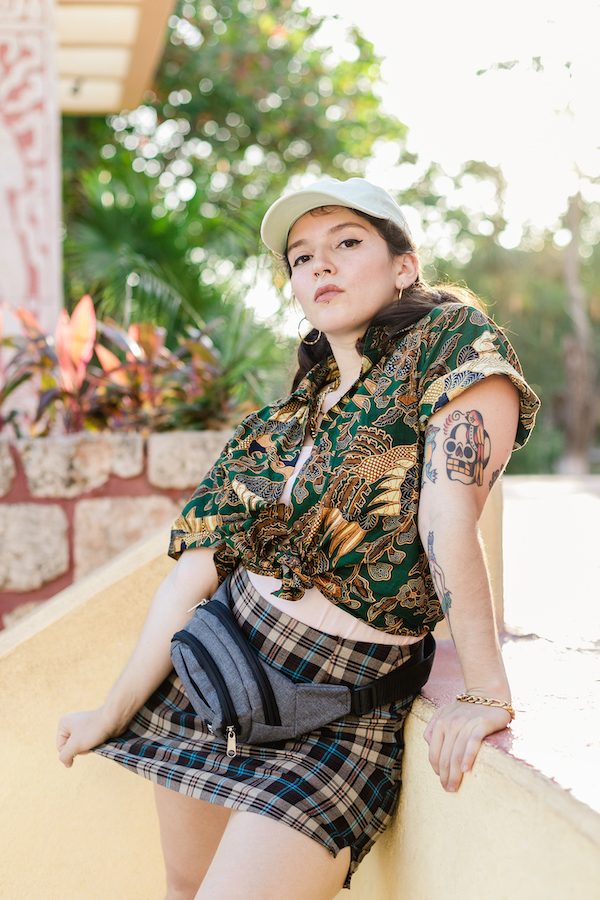
“To visualize our queer existence, to represent ourselves in the streets, is an important step to normalize our presence, which also allows us to heal from all the violence we suffer in the streets. I cannot look at the places where I have vogued with my friends in the same way. They are no longer the places where I experienced violence; they are the places that I occupied with my friends and with joy.” — Nina Apocalipstick (House of Apocalipstick)
Visibilizar nuestras existencias queer, representarnos a nosotres mismes en la calle, es un paso importante para normalizar nuestra presencia, que además nos permite sanar con todas las violencias que sufrimos en la calle. Los lugares donde he vogueado con mis amigxs, ya no puedo mirarlos de la misma forma. Ya no son los lugares donde fui violentada, son los lugares que ocupé con alegría y con mis amigos.
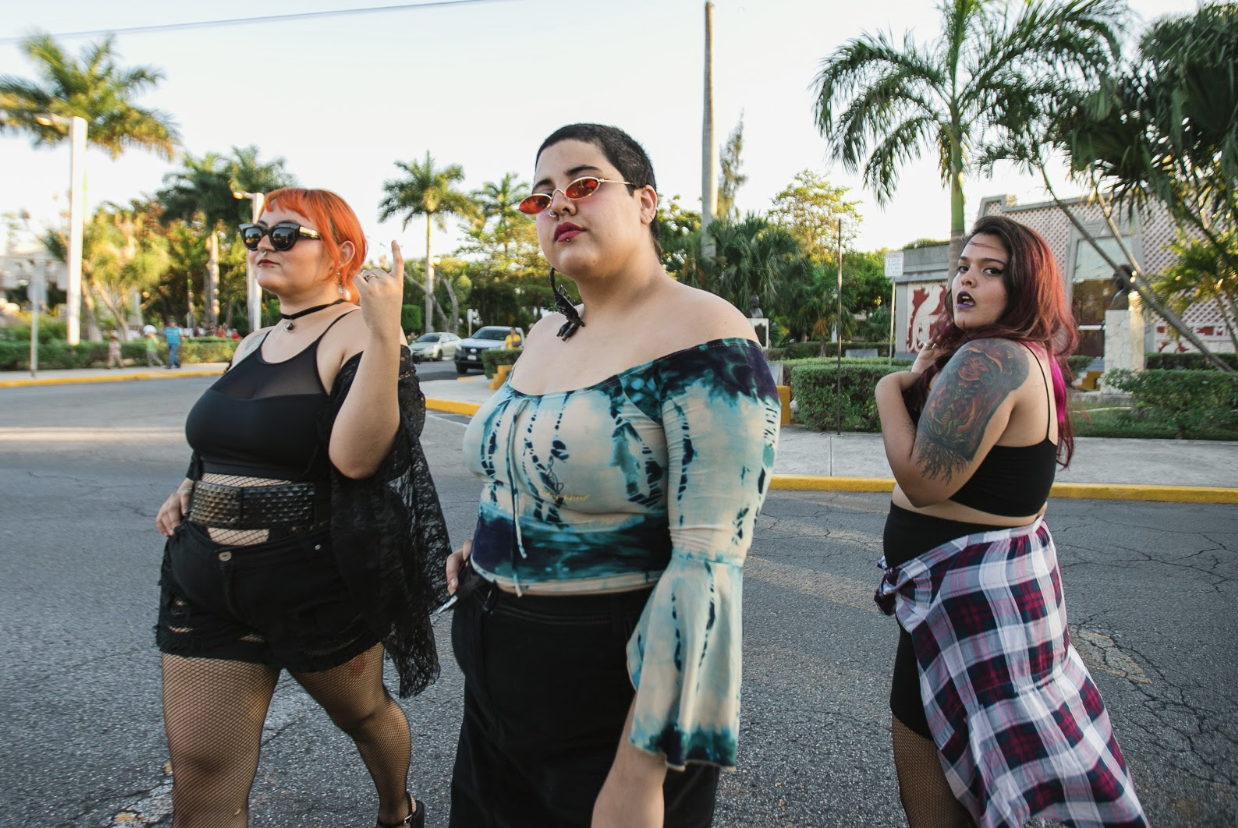
“You take your rejected body and, with it, you take all the feelings of oppression, of [feeling like] dirt, of not belonging… and you use it as your territory. You appropriate the space but you also appropriate your own body. You become the one with the power.” — Extrañeza Mami (House of Mamis)
Tomas tu cuerpo rechazado y consigo tomas todos los sentimientos de opresión, suciedad, de no pertenencia… Y lo usas como tu territorio. Te apropias del espacio pero también te apropias de tu cuerpo. Te convierte en quien tiene el poder.
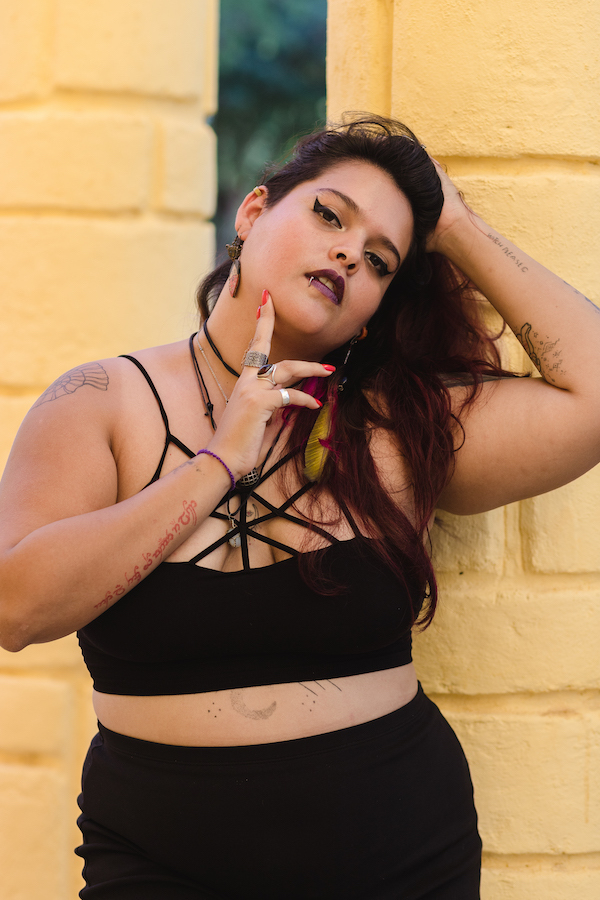
“It generates an impact for other people to watch your body enjoy itself. People tell me — and it almost seems like an insult — ‘I can not understand how you can enjoy yourself so much. How can you, with your extra pounds and fat, enjoy yourself while I, with a great body, cannot?’ In Yucatan, that kind of conservative thinking punishes and pursues us, it has too much weight on our lives. I vogue because I want to make people uncomfortable, but I also do it because I want to invite these people to do the same. I want the next generations to see that there is another way to enjoy themselves in Yucatan.” — Cherry La Bruja (Ágata Casa Vogue)
Que otras personas miren tu cuerpa disfrutarse genera un impacto. Las personas me dicen, hasta parece insulto: “No puedo entender cómo TÚ puedes disfrutarte tanto. Cómo tú, con tus kilos y grasa de más, puedes disfrutarte mientras yo, con cuerpazo, no puedo.” En Yucatán, ese pensamiento conservador que castiga y que persigue, tiene demasiado peso sobre nuestras vidas. Hago vogue porque quiero incomodar pero también lo hago porque quiero invitar a esa gente a hacer lo mismo. Quiero que las próximas generaciones vean que hay otra forma de disfrutarse en Yucatán.
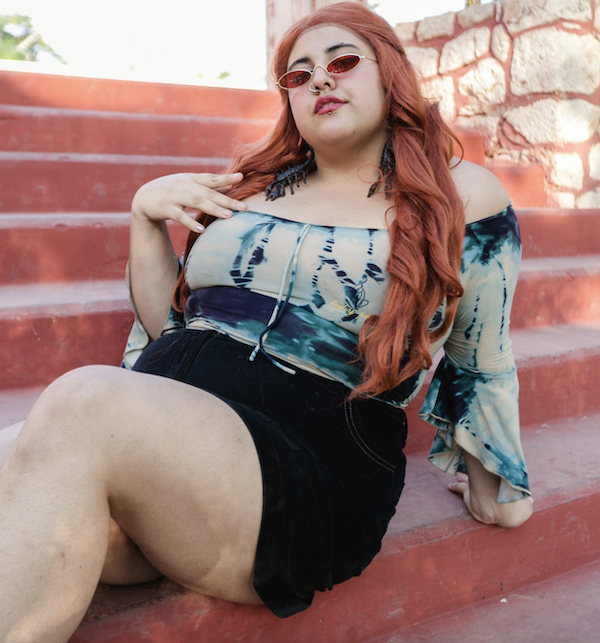
“As a female body, it has been important for me to remove the inhibitions that I had about my body, about how much I could show or not. What are the things that I like to eroticize in my body? After showing skin, what's next? After the body, what’s in there? Imagination, fantasy…” — Extrañeza Mami (House of Mamis)
Como cuerpo femenino, ha sido importante para mi quitar las prohibiciones que yo misma tenía sobre mi cuerpo, sobre cuánto podía mostrar o no. ¿Qué cosas son las que me gustan erotizar de mi cuerpo? Después de mostrar la piel, ¿qué sigue? Después del cuerpo, ¿qué hay? La imaginación, la fantasía…
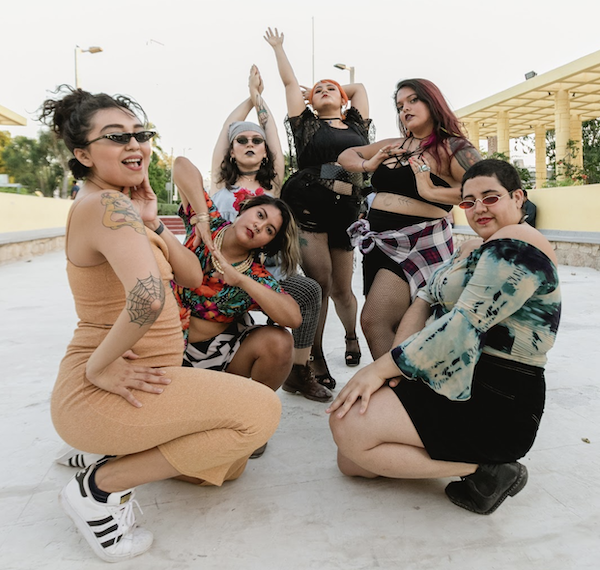
“Vogue has helped me a lot to empathize with others and especially with myself in terms of the body. I think it has been one of the few spaces where I have found the confidence to be the way I am, especially regarding nudity. In my everyday life, expressing your sexuality is seen as something bad and always hyper-sexualized in a heteronormative way, without being able to accommodate other perspectives.” — Lu (House of Love)
El vogue me ha ayudado mucho a sentirme empática con otres y sobre todo conmigo misma respecto al cuerpo. Creo que ha sido uno de los pocos espacios donde he encontrado confianza para ser como soy, sobre todo respecto a la desnudez, en mi cotidiano se mira como algo malo y siempre hipersexualizado a la manera heteronormada, sin dar cabida a otras perspectivas.
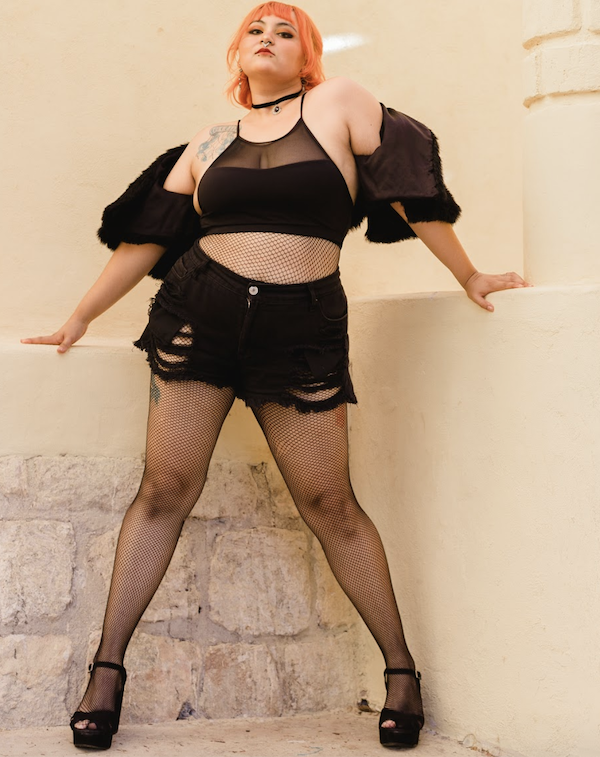
“Feminism helped me change my relationship with the private…but vogue helped me change my relationship with the public. I like to think that feminism transforms when it involves processes that move your body... It's not better or worse, it’s just different.” — La Beba (Ágata Casa Vogue)
El feminismo me ayudó a cambiar mi relación en lo privado... Pero el vogue me ayudó a cambiar mi relación con lo público. Me gusta pensar que el feminismo cambia cuando involucra procesos que te mueven la cuerpa…No es mejor ni peor, sólo diferente.
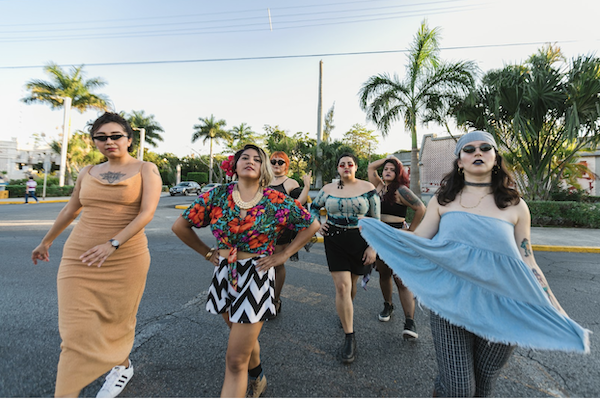
“There are bodies that have permission to enjoy themselves and others that don’t. To show my fat, dark-skinned body without shame or fear is political. I’m politicizing my dignified, rebellious, and powerful life. I want society to reflect on how this woman, whose appearance they look down upon so much, is making them feel a lot of joy.” — Cherry La Bruja (Ágata Casa Vogue)
Hay cuerpos que tienen permiso para disfrutar y otros que no. Mostrar mi cuerpa gorda, prieta sin pena ni miedo es político. Estoy politizando mi digna, rebelde y poderosa vida. Quiero que la sociedad reflexione en cómo esta mujer cuya imagen desprecian tanto les está haciendo disfrutar mucho.
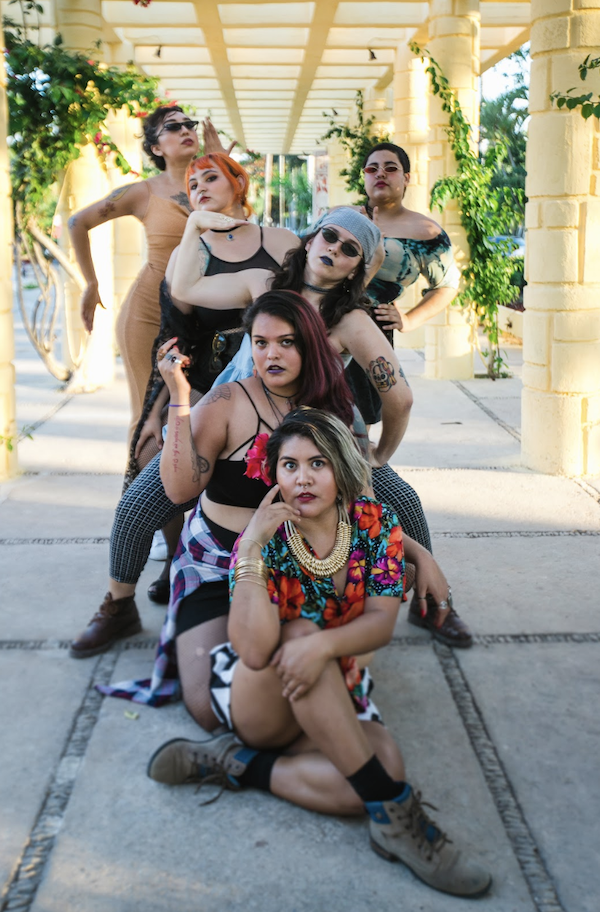
“Every time, we realize this more and more: This world that I was taught that exists cannot be the only one. Society has convinced us so much to live life in a certain way that we ended up learning to remain silent. But not anymore. We are creating a world within the world.” — Extrañeza Mami (House of Mamis)
Cada vez nos vamos dando cuenta: Este mundo que me enseñaron no puede ser el único que existe. La sociedad nos han convencido tanto de vivir la vida de esa forma que hasta aprendimos a permanecer callades. Pero ahora ya no. Estamos creando el mundo dentro del mundo.
Nany is one of the four fellows who were selected as part of the Young Feminist Media Fellowship between FRIDA The Young Feminist Fund and The Fbomb. A pilot project launched this year, the fellowship is an attempt to counter dominant narratives that provide little to no space to achievements and accomplishments of young feminist organizers, giving an opportunity to young feminist storytellers to tell the story themselves of young feminist trends around them.
More articles by Category: Arts and culture, Body image and body standards, Feminism
More articles by Tag: Women of color, Sexism, Sexuality, Women's leadership


