















Why Authentic Representation Matters to Teens
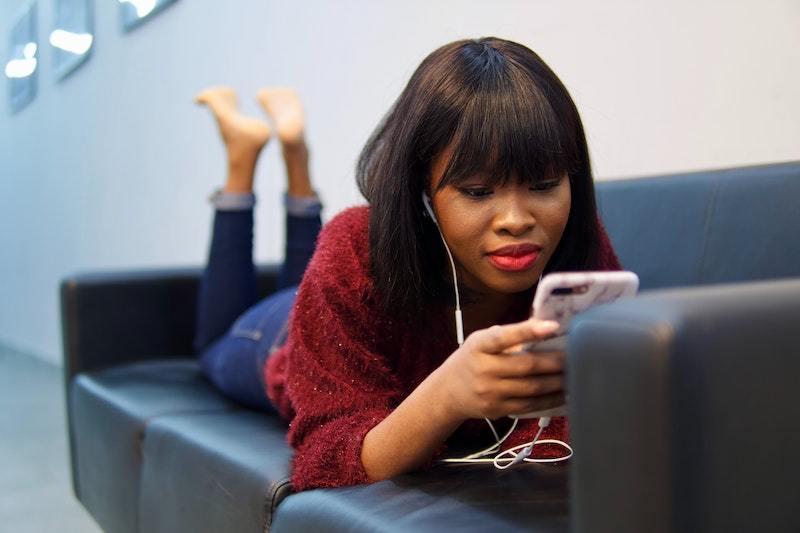
As a teenager who consumes a lot of entertainment media, authentic representation in television and film is one of the biggest issues on my mind. And I’m not the only one — on average, teens spend up to nine hours a day using screens, and a large portion of this time is spent consuming some sort of entertainment media. Considering that the ages of 10-25 are critical for the brain’s development, what young people see on screen — notably how different people are represented — shapes how they view the world.
It’s vital for young people to find characters that we identify with so that we can not only feel confident in our own identities, but also become more accepting of identities different than our own. For example, UCLA’s Center for Scholars and Storytellers cites the show Glee as contributing to a 13% decrease in unconscious LGBTQIA+ bias among Americans while the show was running. The entertainment that my peers and I consume is a constant topic of conversation, and we often comment on the portrayal of certain characters, especially if they fall into clichés or stereotypes.
On the other hand, a Common Sense Media report found that if media perpetuates harmful racial or ethnic stereotypes, it is more likely to create negative feelings toward people of color among white viewers. It also seems likely that those harmful stereotypes will cause viewers who identify with those groups to have lower self-esteem and feel limited; negative messaging about gender has been proven to limit what kinds of aspirations girls have.
Authentic representation doesn’t just benefit young viewers, either — it can actually financially benefit the creators of shows or movies. A study by the Full Story Initiative at CAA and UCLA’s Center for Scholars and Storytellers showed that it is actually in the financial interest of large-budget films to have authentic and inclusive representation. Furthermore, all films that the study analyzed, regardless of budget, were better received by audiences and critics if they were more diverse.
But what does it actually mean for media to be authentic and inclusive? Of course, there isn’t one right answer, but a good start is to have the voices being represented on screen behind the camera, too. Too often stories are written about young people, for example, without our input, which causes a barrier between the real-life experiences of youth and how our lives appear on screen. Teenagers on television are almost always portrayed by stunningly beautiful actors in their 20s or 30s, and this can lead to teen viewers feeling like their experience is inadequate because it doesn’t line up with the glamorous world of drugs, sex, and partying that we see on TV. Real teens struggle with acne, have to spend time doing homework, and likely don’t go to parties every night. Seeing depictions of normal teenage experiences on screen would definitely make me feel more represented and less like I’m missing out on what being a teenager is “supposed” to be like.
I recently read the screenplay for the first episode of Ginny and Georgia, a Netflix show that follows a 15-year-old girl and her 30-year-old mother as they move to a new town. I was unsurprised to see the teenage characters portrayed as cliché and incredibly shallow. It was strikingly obvious that these teenagers had been written by an adult who knows very little about what being an adolescent today is like. And this isn’t just the case for Ginny and Georgia. Unfortunately, it’s very common to watch a TV show where the teenage characters feel like caricatures instead of real people. This is why screenwriters should seek out the input of young people when they choose to write stories about them. While it’s understandable that some type of departure from reality is necessary to make the show entertaining, portraying teens as stereotypical and cliché actually alienates the audience that it claims to represent.
One show that does a good job of creating realistic teenage characters while still maintaining interesting plotlines is Sex Education. While season two’s sexual and galactic version of Romeo and Juliet: The Musical feels unlikely to actually occur at a real high school, when it comes to the characters, each one is extremely nuanced and multidimensional. In recent years, more actual teens have been cast to play teens on TV. In Never Have I Ever, Maitreyi Ramakrishnan, who plays the main character Devi Vishwakumar, was 17 when the show started filming. Similarly, actress Sierra Capri began playing the character of Monse Finni at 19 years old for the show On My Block.
But there is still more work to be done. Some organizations have begun to bridge the gap between the people in charge of telling stories and the people those stories are about. In the case of teen representation, UCLA’s Center for Scholars and Storytellers created a YouTube discussion series called Teens Are Watching that features teen perspectives on how the media portrays a variety of topics, ranging from mental health and LGBTQIA+ representation to portrayals of positive masculinity in media. The Joan Ganz Cooney Center has also committed to uplifting teen voices by hosting workshops dedicated to helping teens take on an active role in creating media projects. Supporting these organizations is a great way to help pursue more authentic and inclusive representation of adolescents.
It is undeniable that the TV shows and movies that teenagers watch shape our perceptions of ourselves and the world around us, so screenwriters and producers have the responsibility to make authentic and inclusive representation a priority.
More articles by Category: Arts and culture
More articles by Tag: Media, TV, Film


