















We’re Making Progress Combatting Colorism, But Is It Enough?
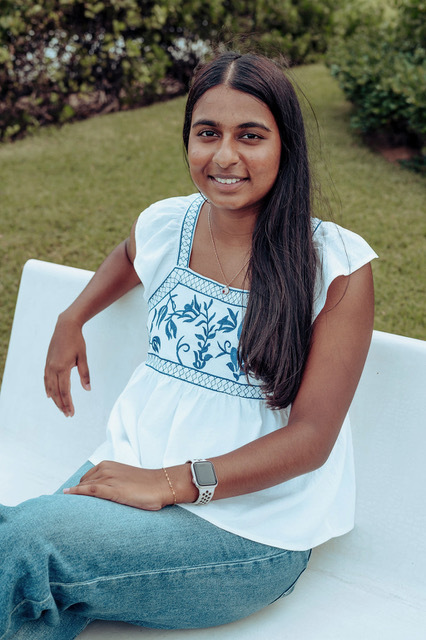
Growing up, I wished to be a Disney princess: the dress, castles, talking to animals, and even the ability to spin magic all seemed so appealing to me at such a young age. My favorite Disney princess was Snow White, and by age seven, I was chanting, “Mirror, mirror on the wall, who's the fairest of them all?” around the house, not fully aware of the statement I openly preached.
I’m 16 now and wish somebody had stopped me. Now, this fairytale offends me as it unearths one of the biggest insecurities I have had since hitting puberty: the color of my skin.
For decades, Disney equated beauty with having light skin. Disney princesses like Snow White, Sleeping Beauty, and even the Little Mermaid (who was exposed to harsh underwater climates!) all have white skin – and that has shaped young girls’ perceptions of beauty and self-worth all over the world. This was further evidenced by sociologist Charu Uppal, whose international research of young girls has revealed that many associate being a princess with having fair skin.
Of course, Disney is hardly the only culprit. Indian cinematography is full of colorism, the daughter of racism. Bollywood films often make use of North Indian actors who have fairer complexions than other Indians because they are deemed more attractive and desirable on screen. Indians with darker complexions often play the “bad guys.” For example, the 2019 movie Bala depicted a young woman who suffered discrimination due to the fate of her skin color. The movie was supposed to be uplifting and help shed light on colorism in India but turned into a massive scandal when Bhumi Pednekar, the actress who played the lead role, was found to have darkened her skin in order to play the role instead of just hiring a South Asian actor. What’s more, Bollywood’s standards are so discriminatory that Priyanka Chopra is often classified as a dark-skin Indian, referred to as “wheatish” or “dusky” according to Indian Express, and for being the “black cat” amongst Indian actors.
Colorism is not exclusive to the film and entertainment industry, though; people face it constantly in real life. I’m one of them: I have been made fun of for the color of my skin. One boy even called me a very offensive name, which caused me to break down and try everything to make my skin lighter. I started staying indoors more. I made every turmeric concoction under the sun, and I used to rub lemon juice and turmeric all over my body and face. I used to wake up with yellow-stained pillows and sheets. I didn’t even delve into the skin whitening industry, which reached an astronomical 15 billion dollars in 2023 and is projected to rise by 8.7 percent by 2030
It got to the point where I lost a clear perception of my skin color. It was a bleak time, made even more difficult by the insensitivity of people who are determined to make themselves feel better while bringing others down. It didn’t help that at the time my insecurity peaked, I didn’t feel there was representation of other dark-skinned Asian girls in the media, and I felt really alone for a long period of time.
However, in the last few years, there has been more of a spotlight on darker-skinned Asian women. Take the Netflix show Never Have I Ever. I connected with the protagonist, Devi, as not only did we look alike, but I shared her ambition of being daring and dramatic. Furthermore, Bridgeton stars like Simone Ashley and Charita Chardan have allowed young girls today to realize that darker skin is beautiful and worthy of recognition. It’s also worth noting that Bridgeton has not only done a great job of representing women of many different skin colors but has also allowed their version of princesses (high-society ladies) to have personalities and intelligence rather than presenting them as damsels in distress.
Beauty brands are increasingly playing their part in combating colorism, too. Rihana released over 40 different shades of foundation in her Fenty makeup line in 2020. In September 2024, Hailey Bieber released new shades of Rhode blush better suited to darker skin tones after a South Sudan influencer — Golloria George — made a TikTok testing out the previous shades, which came across as “ashy” on her skin.
Every day people are working to make progress, too. Muna Beatty, an Al Jazeera journalist and anti-colorism advocate based in India was once asked if “she was from Africa?” by none other than her teacher, but has turned those discriminatory experiences into activism. She founded a campaign called #colormeright to help empower all dark-skinned girls, including her own daughter, and call for more darker-skinned role models in the media. Other campaigns, like #unfairandlovely, also promote inclusivity for darker-skinned females.
Despite these efforts, colorism just isn’t going to disappear overnight, as it has been embedded in our society for centuries. The only way it’s going to change is if we talk about it and begin to shy away from thinking the sun is the enemy and being dark is a bad thing. In spite of the many names that I have been called and the countless tears I have shed, I have learned one thing: Perception is everything. Human beings are strange in that we find ways to discriminate against people even if they are the same race as us. Color is beautiful, and every person should be seen as more than a shade. Breaking the stereotype isn’t easy, but it can start with us, so I ask: Mirror, mirror, on the wall, who’s the loveliest of them all, with beauty shining in every hue, reflecting all that’s kind and true? I think that that’s better than the original. Don't you?
More articles by Category: Body image and body standards
More articles by Tag: colorism


