















‘We knew it would come’: Taliban Bans Women from University Education in Afghanistan
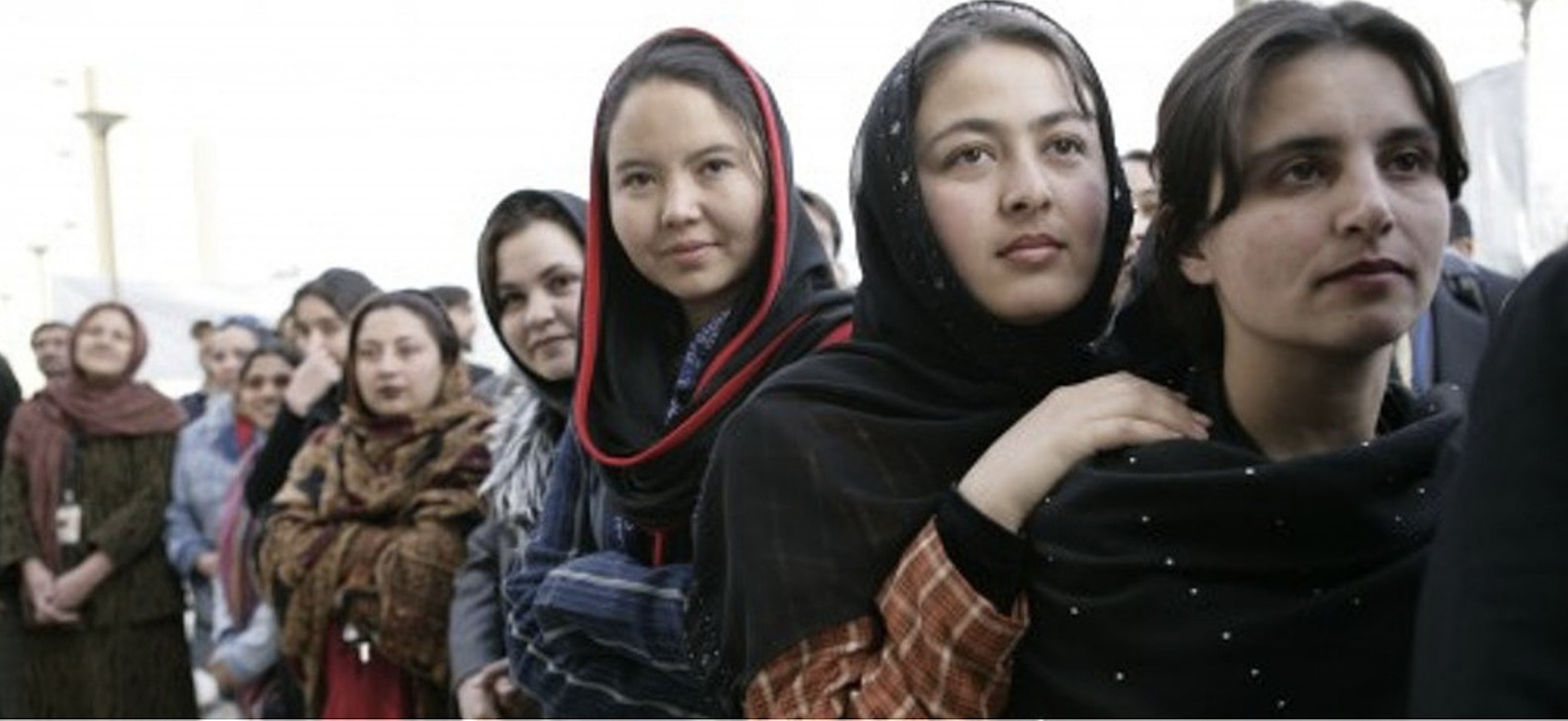
Afghanistan’s Taliban rulers have banned female students from universities in the latest edict cracking down on women’s rights and freedoms, sparking widespread despair and protest in the country.
Officials announced the ban on Tuesday, as the Ministry of Higher Education issued a letter with orders for private and public universities in Afghanistan to implement the ban as soon as possible.
The ban was swiftly enforced on Wednesday, with Taliban security forces in the capital Kabul reportedly blocking women’s access to universities. Videos shared widely on social media showed women weeping upon being told to leave the campus, while other clips showed women consoling each other. Some staged small protests, but were quickly shut down by authorities.
Male students from the medical faculty at Afghanistan’s second largest university, Nangarhar University, protested the ban by refusing to sit for exams, and said they will continue to do so until the women’s universities reopen.
Obaidullah Wardak, a faculty member at Kabul University, took to Twitter to announce his resignation in protest “against the unjust and immoral ban on girls education by the current regime in Afghanistan.”
“I am opposing this brutal clampdown on girls education even if I have to stand alone,” he tweeted.
The latest policy followed a series of regulations that have restricted the basic rights of women and girls since the Taliban took over Afghanistan in August 2021. The hard-line Islamist rulers earlier banned millions of girls from middle school and high school, ordered them to cover their faces in public, and barred them from parks and gyms.
While the Taliban initially promised a more moderate rule respecting rights for women and minorities, authorities have been implementing their interpretation of Islamic law, or Sharia, since returning to power last year.
The United Nations has called on the Taliban “to immediately revoke the decision” to ban women and girls from accessing education.
“Preventing half of the population from contributing meaningfully to society and the economy will have a devastating impact on the whole country. It will expose Afghanistan to further international isolation, economic hardship and suffering, impacting millions for years to come,” they said in a statement.
Rina Amiri, a U.S. special envoy for Afghan women and girls, said the latest ban removed “any doubt” that the Taliban were reverting to the extreme policies they had enacted in the 1990s, when they last controlled Afghanistan.
“As a global community, we must take a firm stand against these extreme policies. Failing to do so could embolden the Taliban, inspire hardliners elsewhere & imperil the rights of women, girls & at-risk populations far beyond Afghanistan,” Amiri wrote on Twitter.
But some activists doubted that the world would come to their rescue.
“I call On world So called feminist movements and leaders for their deafening Silence,” Afghan journalist and activist Nilofar Ayoubi wrote on Twitter.
Lida Afghan, a Danish-Afghan artist who has used her art to amplify Afghan voices, said many from her community had been anticipating the latest policy.
“We knew it would come. It would just be a matter of time,” Lida told the FBomb.
Lida said the Taliban were “very good” at fooling the world with their media appearances, making small changes “so no one could really feel that they were exactly how they were 20 years ago.”
During the Taliban’s last stint in power, Lida’s family fled the country and eventually found a home in Denmark, where the 24-year-old has been living for the last two decades. Before the COVID-19 pandemic, Lida said she had visited the country annually since 2015.
The regression in Afghanistan, Lida said, makes her feel like “the world has totally abandoned Afghan women.”
“My heart hurts for the little girls with dreams. My heart hurts for the women with hope. My heart hurts for the mothers who experienced Taliban’s terrorism 20 years ago but wished for a better life for their daughters,” Lida said.
“My heart hurts for all Afghans who kept their hopes high despite the world turning their back to them.”
More articles by Category: Education
More articles by Tag: Afghanistan


