















This Syrian teen is using social media to put a face to war
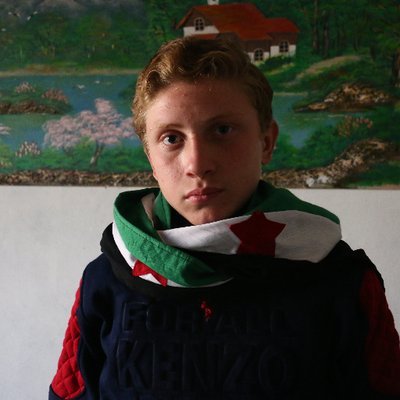
“We are the people of Eastern Ghouta. The world is watching us die of hunger and bombing. Look at this destruction,” 15-year-old Muhammad Najem tweeted on February 26. “This is similar to Europe 80 years ago but we live today in the 21st century. Help us and do not be like the rest of the world.”
Najem, who resides in rebel-held eastern Ghouta, a suburban area in southwestern Syria that surrounds the city of Damascus, has been documenting the Syrian Civil War through his Twitter account since December 7, 2017. The teen posts photos, videos, and messages that capture what it’s like to be one of the many children and teenagers forced to fight to survive in the middle of the war.
The Syrian Civil War has been going on for eight years. In 2011, the Arab Spring gave hope to Syrian pro-democracy activists who oppose their president, Bashar al-Assad. Assad, who was once thought to be well-meaning when he rose to power in 2000, has since brutalized the Syrian people (and, it’s worth mentioning, is supported by Russian President Vladimir Putin). The United Nations estimates that over 220,000 people have lost their lives in this conflict. According to CNN, at least 250 people lost their lives to strikes and shelling by the Syrian government in the third week of February alone. While the U.N. ordered a 30-day ceasefire to distribute medical support and food to civilians at the end of February, strikes have since resumed anyway.
While Najem’s daily routine once involved going to school, it has since turned into days spent roaming the streets to find a log to buy for his mother so she can prepare the family meal. The teen has shared his belief that leaders like Assad, Putin, and Ayatollah Khamenei have effectively killed millions of childhoods. He has shown this firsthand by documenting how he has lived through friends and acquaintances dying or being mutilated and/or displaced by bomb attacks. One of his friends recently died during airstrikes, and another was seriously injured while they were playing together in the streets. That friend’s family was buried alive by the debris. At home, Najem tries to continue his education by studying by candlelight. He questions a world that can send machines to Mars but can’t stop humans from killing each other in wars. He dreams of becoming a reporter when he grows up.
The Vietnam War took a turn when the news began broadcasting images of coffins covered with American flags returning home; a change in public opinion put pressure on the American government to end the war. Muhammad Najem’s documentation of war on social media isn’t just a cry for help, but also a vivid portrait of how war can damage lives and societies. By watching Najem’s digital diary, followers must more vividly confront the hardships the Syrian people are facing. Najem’s personal perspective gives the madness of war a human face. Hopefully, this brave teen’s use of social media will compel other leaders to act in the face of this atrocity.
More articles by Category: International
More articles by Tag: Activism and advocacy, Middle East and North Africa, Social media


