















The Netherlands has banned burqas and niqabs in public
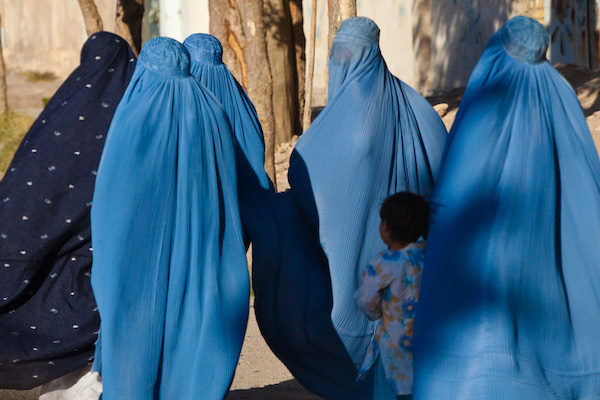
As of August 1, the Netherlands has instituted a ban on burqas and niqabs in public places, including hospitals, educational facilities, police departments, public museums, and public transportation. This recent policy change stands in stark contrast to the conventional narrative of Dutch people as tolerant and progressive and highlights just how pervasive populism and Islamophobia currently are in Europe.
Geert Wilders, the leader of the Party for Freedom (the leading Dutch populist party), has been the primary champion of this Islamophobic bill for years — not to mention a loud voice in support of Islamophobic rhetoric in the nation. Unfortunately, as the number of Muslims moving to the Netherlands has increased, this rhetoric has become increasingly mainstream in the Party for Freedom; Calls against Muslims are now a constant element of their messaging. Upon passage of the bill to ban the niqab, Senator Marjolein Faber-Van de Klashorst said it was “a historical day because this is the first step to de-Islamize the Netherlands.”
Of the 17 million people living in the Netherlands, only 100 to 400 people are estimated to wear burqas or niqabs. The effects of this ban could still be significant, however, as tourists who wear burqas or niqabs could be prevented from entering cultural attractions, like the famous Rijksmuseum museum, should the museum choose to enforce it. Police departments are reportedly concerned that the ban will deter women who wear burqas or niqabs from reporting crimes. Public transportation officials cited concern over delays and tension between the “offender” and other riders.
Then, of course, there are the symbolic implications of the policy. Concerns have been raised about the policy emboldening Islamaphobic people across the country — both in terms of individuals taking enforcement of the ban into their own hands, potentially violently, and in terms of future policy implications. The leader of the Islamic liberal Nida party, Nourdin el-Ouali, says he fears that this ban could be a stepping stone towards banning hijabs and other head coverings.
Unfortunately, the Netherlands isn’t the only European nation that has seen such discriminatory policies from Islamophobic populist parties. In 2010, French MPs voted to pass the same ban on ‘face coverings’ -- explicitly targeting niqabs and burkas. Denmark, Belgium, and Austria have all implemented similar policies in the last few years as well.
Many hospitals, public transportation companies, and other public groups in the Netherlands have resisted this ban by saying that they will not enforce it themselves. Even so, some of these institutions still conceded that they would allow police to enforce the policy in their institutions.
Other groups are fighting back, too. Progressive political parties like the Dutch Islamic political party NIDA are working to counteract such detrimental and discriminatory policies passed by groups like the Party for Freedom. In fact, NIDA said that they will pay the €150 fine for anyone who incurs it.
The Dutch and their fellow European nations now face a significant challenge: Will they follow in the footsteps of those like NIDA, or those of the Party for Freedom?
More articles by Category: International
More articles by Tag: Discrimination, Sexism, Identity, Women of color


