















On cancel culture
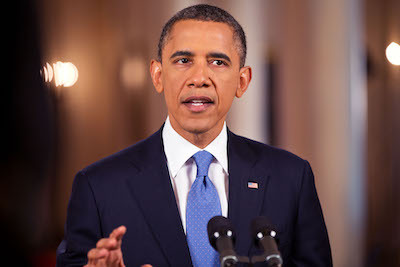
Former President Barack Obama recently made comments on “call-out” culture, “wokeness,” and the role of social media in activism during an interview about youth activism at the Obama Foundation summit.
“This idea of purity and you’re never compromised and you’re always politically ‘woke’ and all that stuff,” Obama said. “You should get over that quickly.”
I first heard of someone being “canceled” a year ago after musician Kanye West suggested that slavery was a choice and plenty of people took to social media to call him out. I learned that “canceling” normally starts when old social media posts that contain either underlying or blatant racist, homophobic, transphobic, or otherwise problematic messages are resurfaced. The authors of these posts are usually high-profile, which causes their large following to draw attention to or boycott them.
Cancel culture may seem well-intentioned since it is seemingly about holding someone accountable for their wrongdoings — especially those who have gotten away with that behavior because of their privilege. Prime examples of this include musician R. Kelly and actor Kevin Spacey, who were finally canceled after multiple sexual abuse allegations were finally believed by the public.
While it is important that activists hold people who use their privilege to abuse others accountable, whether that’s through physical actions or offensive “jokes,” some also argue that cancel culture does not give people any room to learn from making mistakes.
Take the cases of several YouTubers such as James Charles, Laura Lee, and Summer McKeen, all of whom have been canceled because past videos and social media posts have resurfaced and been deemed problematic by their fans. While most of this content has depicted YouTubers saying offensive things or posting videos of themselves smoking/drinking with a younger audience, some of these influencers could have potentially taken on ethical leadership traits or repaired their image by apologizing to their community and taking steps to self-correct.
Instead of letting these YouTubers learn from their mistakes, however, some people have used the hate generated by these figures being canceled to create “drama channels,” or channels that take a minor mistake an influencer made and running with it to ruin their careers, usually to their own monetary gain.
A prime example of this would be Emma Chamberlain, a teenage vlogger who has quickly grown to be one of YouTube’s most popular creators. Chamberlain is known to be “relatable” through numerous comments she makes about her hygiene, caffeine consumption, and acne. While some of her subscribers thought this made her more down-to-earth and accepting of her flaws, others used this as an avenue to attack her for being too revealing.
At the end of the day, it is important that activists do what they can to keep themselves and others as educated as possible. People have used public pressure and call-outs to spearhead pressing issues such as sexual assault allegations, climate change, and First Amendment rights.
But it’s certainly worth asking ourselves: Are we using our energy to incite real self-correction and change? Or are we just contributing to a viral news cycle that often results in both failing to educate a wrongdoer about the nature of their actions and, in many cases, doing little to affect the magnitude of their platform?
More articles by Category: Feminism
More articles by Tag: Activism and advocacy, Sexism, Racism


