















New study shows the role of empathy in decreasing discrimination against those who identify as transgender
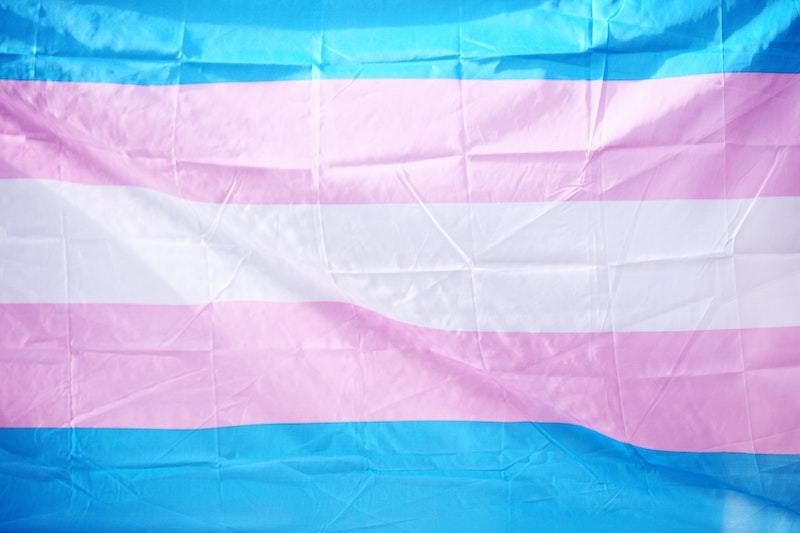
According to a recent study from the Pew Research Center’s American Trends Panel, cisgender people who have experienced gender discrimination are more likely to express empathy and solidarity with people who identify as transgender. The study also found that those for whom gender conformity is personally important are less likely to accept transgender identity or further accept the progress of transgender people.
“It is important for all people to practice empathy towards the transgender community because transgender people are people,” Charlie Underwood, a New York attorney who specializes in gender transition-related legal services, told the FBomb. “I don't even use the word ‘acceptance’ because it is passive. We need active support and affirmation.”
There are plenty of resources for people who are looking to practice empathy in this way. The New York Times, for example, has a collection of editorials from transgender people of all ages sharing how their experiences of coming out as transgender — to themselves and to their friends and families — have shaped the paths they are on now.
“I have been followed by people out of stores and catcalled on the streets, and sexually assaulted in a bathroom,” one woman writes. “People ask why would you make this choice? It isn’t a choice, it’s a matter of life or death. ... Why would someone choose a life that puts their life at risk even more?
Underwood affirmed that listening to trans people telling their own stories, especially trans youth, is crucial. “Young trans people have such a clear sense of self — including that their identity may change over time — and it is incredibly powerful to hear them speak about living authentically,” they said.
According to Rob Todaro, press secretary at The Trevor Project, the best way to learn about the trans experience is to “go to the source. Listen to, support, and amplify trans voices.” But, Todaro added, “it can also be tough for trans and nonbinary people to bear the burden of educating others about their lived experiences. That's why The Trevor Project released our first-ever Guide to Being an Ally to Transgender and Nonbinary Youth, an introductory educational resource that covers a wide range of topics and best practices on how to support the trans and nonbinary people in your life.”
The study’s findings mention that this lack of empathy doesn’t help in an already polarized political environment surrounding trans issues. It’s no coincidence that violence against trans people has only been on the rise in recent years. Last year alone, 330 transgender and nonbinary people across the world were killed, and hate-crime deaths continue into 2020.
For more information on statistics for what life is like for transgender people in the U.S., you can refer to the 2015 U.S. Transgender Survey conducted by the National Center for Transgender Equality.
More articles by Category: Feminism
More articles by Tag: LGBTQAI, Discrimination, Equality


