















JoJo Said Gay — And Now She’s Paying the Price
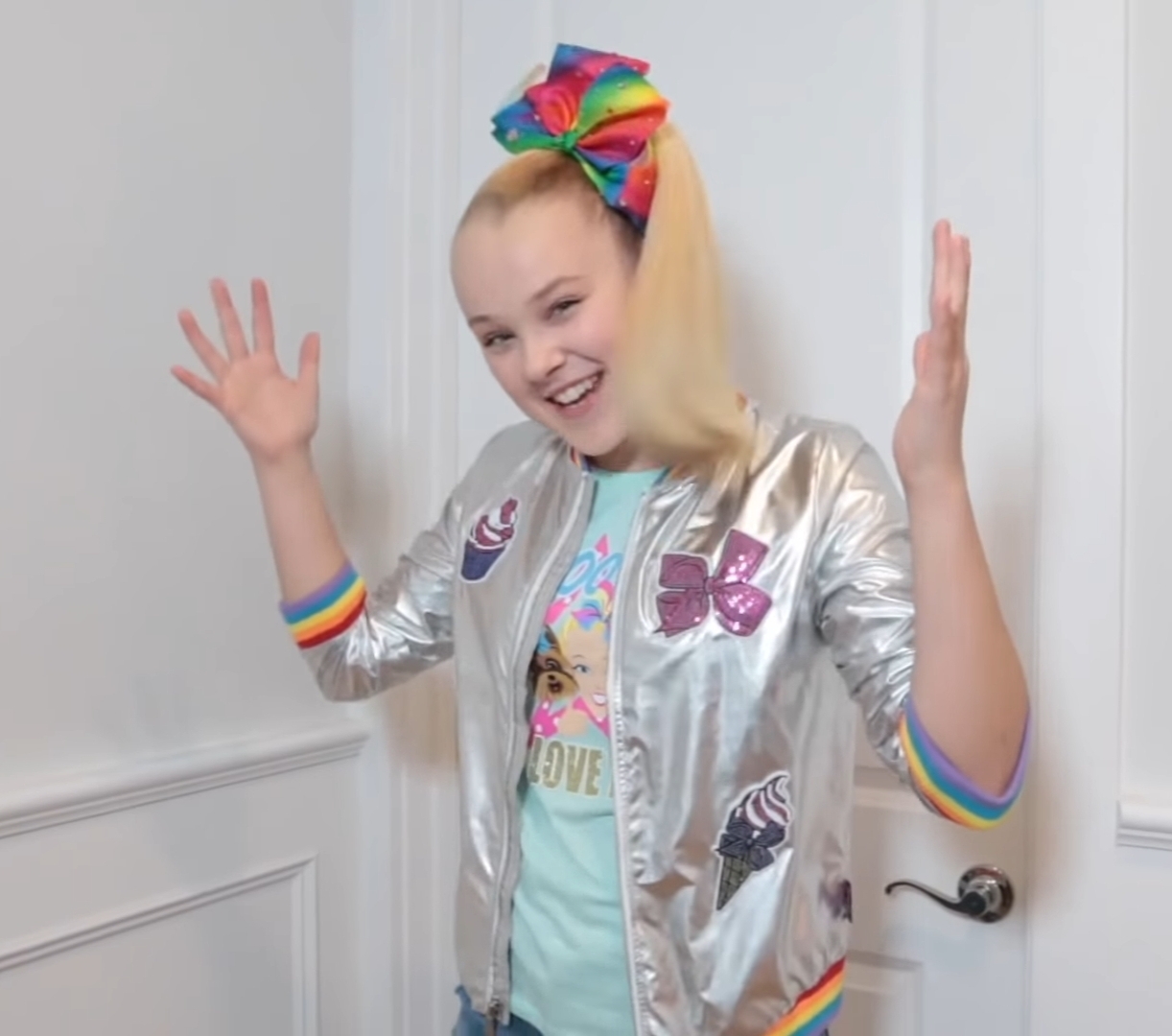
On April 9, Nickelodeon hosted its 35th Kids’ Choice Awards (KCA). This major televised event brings together all the year’s top celebrities and influencers in kids’ and young teens’ media, getting Nickelodeon viewers worldwide to vote for their favorites in television, film, and music. All the big names were there. Well, all except one. Where was JoJo Siwa?
The 18-year-old from Omaha, Nebraska, has been a constant figure in children’s media since starring in the show Dance Moms at age 8. Signing with Nickelodeon at the age of 13, she has made a name for herself with over 13 Nickelodeon films and TV shows, along with different clothing lines, a series of books, and music, even going on an international tour. Oh, she also came out as gay last year.
When the seven-time KCA nominee failed to attend the ceremony — despite being nominated this year as well — people were rightfully confused. She addressed the situation in an Instagram video where she appeared sporting a fresh pixie cut. “The answer is very simple,” she said. “I wasn’t invited. I’m not sure why, but I just didn’t get an invite.”
Is it a coincidence that Siwa’s invitation got lost in the mail at the same time that she has become a new gay icon for young children? Her transparency has garnered quite a lot of criticism — many have deemed her openness about her sexuality inappropriate for her younger audience. It’s hard not to read JoJo’s exclusion from Nickelodeon’s main event, therefore, as a thinly veiled attempt to placate those critics.
The more open Siwa is about her sexuality, the more, it seems, the world attempts to keep her out of the limelight. In the eyes of the public, Siwa’s queerness has made her a sexual creature: Her mentions of dating experiences and partners are no longer seen as cute and wholesome but rather disgraceful, something that should not be shared.
The hypocrisy here is clear: Even with its mature connotations, straight romance is always present in what we — including young people — consume. I mean seriously, think of the plot of any Disney movie. Homosexuality is not afforded that same luxury, having historically, consistently been shunned from mainstream media.
What is expected is conformity, but, as Cathy J. Cohen, American political scientist and activist, reminds us, “what seems to make queer activists unique … is their willingness to confront normalizing power by emphasizing and exaggerating their own anti-normative characteristics and non-stable behavior,” indeed not giving into the fear of stigma. JoJo Siwa embodies exactly that: She shouts her queerness from the rooftops. She lives in a world of glitter bows and rainbows, but those rainbows were only acceptable when they represented nothing but colors.
Siwa’s exclusion from such a high-profile event is especially significant considering the current political climate. In March, Florida passed its much debated “Don’t Say Gay” bill, which essentially bans classroom instruction about gender identity or sexual orientiation. Florida has completely removed any exposure to queerness in children’s education, and, by not inviting JoJo to one of its most public events, Nickelodeon has removed its presence in youth media as well.
The removal of queer figures from children’s lives did not start, nor will it end, with JoJo Siwa. It is a tale as old as time, this simply being its most recent iteration. This article could have easily been about any other child star: Think Demi Lovato, Miley Cyrus, Bella Thorne. The thread that ties them together is the compliance to heteronormativity that each of them was forced into by youth-oriented channels. JoJo’s lack of an invitation could have been a true mistake, but how often can a mistake be made before it becomes something more?
More articles by Category: LGBTQIA
More articles by Tag: Media, Media coverage


