















How Wealth Disparities at Prestigious Institutions Make a Home for Some, Not All
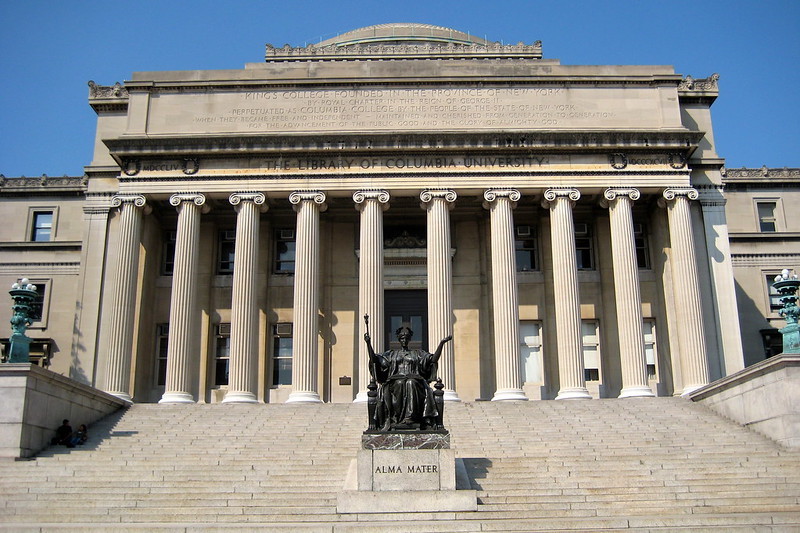
During my first day at Columbia University’s orientation, my fellow first-years and I were herded into a tent and told that we had made it. Out of thousands of applicants, we had been chosen to make up Columbia’s newest class of students. We were told we were “the greatest minds in the world.” Yet, I didn’t feel like a great mind. I felt exhausted and just so out of place. And that feeling has yet to change.
I’m from a small rural town, attended a vastly underfunded public school, and am a Latina woman. I was another Ivy League applicant who had, for the past eight years of her life, convinced herself that this is where I needed to be: amongst the high society of the world’s elite, amongst the greatest minds academia had to offer, and in one of the most sought-after institutions — and the farthest from my hometown in Texas. So, to get here, I worked myself into the ground. I pursued every extra credit assignment, every free summer program reliant on a crappy internet signal, and every single award I could get my hands on.
But despite hooking my entire life on getting into Columbia, actually being here has been a major reality check. My entire childhood, I was told that I could make it out and become something. And, to my dismay, I have realized the person I will become will still be no match for the people I am fighting against at this very moment. While other students and staff have told me that, despite coming from an entirely different tax bracket, I am still on the same level as the students around me simply because I’m at Columbia, the truth is, when you’re poor at an Ivy League, everything is different.
Columbia is home to some of the wealthiest students in the world. According to data from The Upshot at The New York Times, the median family income of students at this institution is $150,900, with over 62% of students being ranked in the top 20% of all wealth in the United States. I, on the other hand, have been drowning in debt, sometimes struggling to pay for basic necessities. During an orientation event, I seemed to be the only person who said yes to needing additional funds to even attend the mandated outing. Instead of simply buying brand new textbooks as soon as instructors issue a syllabus, I have either struggled to pay for them or have tried to find PDF versions of a copy from 10 years ago. Instead of being able to rely on my technology to ensure that I’d be able to stay on top of my schoolwork, I have had to look for other places to write essays, just like this one — to depend on the resources others would simply pass up as normal, while I’ve had to hold on to them like a life-vest to navigate college.
I’ve also struggled to close the knowledge gap produced by our different academic backgrounds. While grappling with trying to learn how to navigate courses, my peers seem to already have knowledge about how to navigate college. I’ve also found that my lack of wealth has affected how my peers have treated me. When asked about my academic background, my achievements have been looked down upon compared to my peers’ prestigious internships garnered by a pre-existing web of connections.
What’s more, despite having the same level of work, my peers don’t have to deal with the same burdens and stresses because of the privilege their socioeconomic status affords. I have crippling anxiety about failure, while the students who can fall back on prominent bank accounts approach their own college experience with a degree of self-certainty that I have lacked. If I fail, I’m done. I don’t get a second chance. If they fail, they have a built-in safety net in the form of their trust funds, their parents, and connections they’ve already made simply by association within their elitist circles.
My experience is not unique. The wealth gap between students from economically advantaged backgrounds and underfunded ones has been pervasive in higher educational institutions. What this boils down to is a need for understanding from schools like Columbia. Elite schools must make more of an effort to understand the effect wealth disparities on campus have on students — not only have we been underfunded, but we’re being underfunded here, too.
More articles by Category: Education
More articles by Tag: Discrimination


