















How We Can Help Women Experiencing Homelessness?
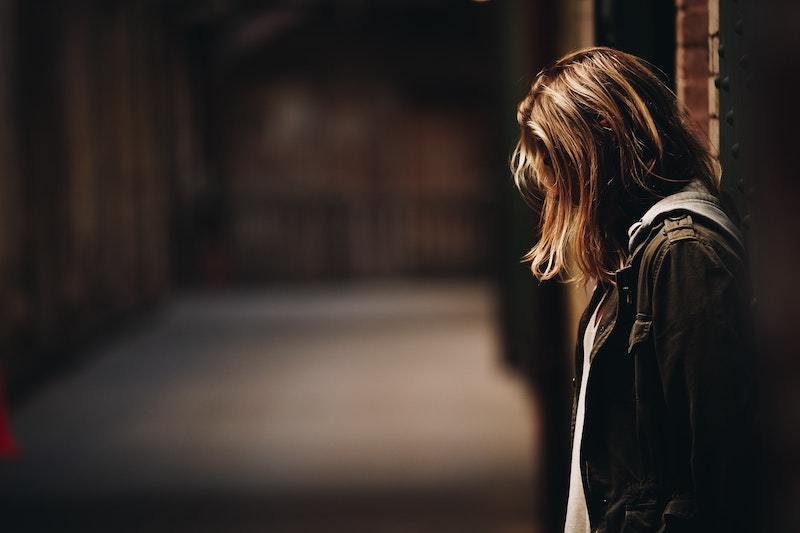
More than 216,000 women experience homelessness each night in the United States, meaning those women do not have a stable place they can call “home.” Women who experience homelessness are often deprived of the everyday resources they need to survive. Many have no choice in their circumstances; they may be fleeing from an abusive partner, evicted from where they live, or simply unable to afford a home for themselves and/or their children. Homelessness is a preventable problem and one to which we can all contribute solutions.
Women experiencing homelessness often do not have access to basic resources, including food, water, menstrual products, and other hygiene products. Compared to homeless men, homeless women are more likely to be younger, have children living with them, and have more injuries and illnesses. Even where programs that offer resources to this population exist, these individuals may not be aware of or know where to find them.
Because of this struggle to access essential resources, many women experiencing homelessness do not prioritize or are unable to address their health and well-being, which can cause significant health problems for them in the short and long term. They often cannot obtain mammograms, pap smears, and other important health screenings; this can lead to health problems and, in turn, financial costs of treatment if gone unaddressed.
One effort to combat this issue in Dayton, Ohio, a city I commute to every day for my classes, has been the presence of the YWCA, a global organization dedicated to ensuring women are treated with the utmost respect and dignity, no matter who they are or where they came from. The YWCA not only serves as a shelter and safe haven for domestic violence and sexual assault survivors but also has programs dedicated to empowering girls and women of all backgrounds. More than 145,000 women and children have found security in YWCA housing and food/immigration programs across the country. The YWCA in Dayton, for instance, provides support in housing and utility assistance, job and employment assistance, referrals to community resources one might need, and so much more, enabling women to be able to prosper, no matter where they come from or what they’ve been through.
Another organization in my community that helps women in need is Projects for Assistance in Transition from Homelessness (PATH), an outreach program dedicated to supporting those living without housing. Among other efforts, PATH provides a shower and laundry facility for those who need it and has continuously provided resources such as mental health care, substance abuse recovery, and housing opportunities to those in need.
St. Vincent de Paul, a religious organization dedicated to accompanying those in need through the values of “unconditional service, hospitality, stewardship, and gratitude,” also seeks to help women experiencing homelessness in my community. St. Vincent de Paul has a shelter that serves single women and families in Dayton and provides items such as clothing and personal care items. The organization also helps guide people in their process of obtaining housing.
We can all support women experiencing homelessness no matter where we live. Most homeless shelters accept donations of unopened, unused feminine hygiene products, toiletries, diapers, baby formula, and hygiene products for children. Donating money to local homeless shelters and outreach programs is also helpful. Reducing homelessness in women will take time, but ultimately, supporting all members of our community in great need improves their quality of life and helps all of us thrive.
More articles by Category: Feminism
More articles by Tag: Housing


