















How to Safely Use Heat Therapy for Menstrual Pain
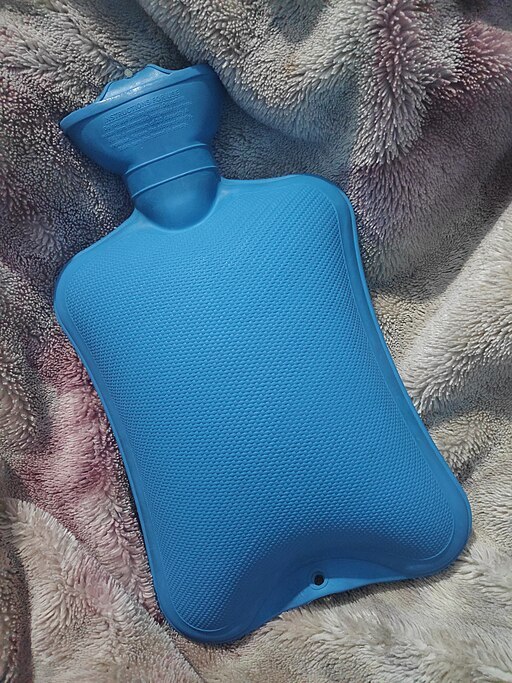
When hearing the word “cramps,” an image of curling up with a hot water bottle or heating pad may come to mind for many of us. Across the globe, women of all ages commonly use heat therapy for dysmenorrhea, the medical term for painful menstruation. While many of us learned to do this from friends or family members, a number of research studies support the use of heat therapy for menstrual pain. At the same time, before women fully embrace using a heating pad when a cramp hits, it is important to be aware of potential risks and safe ways to use heat therapy.
Of course, there are many ways women treat menstrual cramps and other uncomfortable symptoms such as headaches, back pain, nausea, and vomiting. The most common treatment options for painful periods are nonsteroidal anti-inflammatory drugs (NSAIDs) such as ibuprofen and hormone contraceptives. While research has found that NSAIDs and hormone contraceptives can significantly help alleviate menstrual pain, there are also potential drawbacks and limitations to both approaches. For example, NSAIDs can cause side effects such as indigestion, and hormone contraceptives are primarily administered among women who do not want to get pregnant.
Using heat therapy to manage menstrual pain is a less invasive option. Research has found possible scientific explanations behind why heating pads and hot water bottles often do a good job of alleviating those pesky monthly cramps. For instance, heat application during menstruation can help relax abdominal muscles, reduce muscle tension, and increase pelvic blood circulation. Similar studies found that continuous topical heat therapy not only helped reduce women’s menstrual pain but also improved their overall quality of life.
Although heat therapy can help reduce menstrual pain, it can also lead to potential risks and adverse outcomes, including first-degree burns, skin rashes, and itching. Additionally, the Food and Drug Administration (FDA) warns the public to be aware of recalled electric heating pads since they could even lead to injury and electric shocks.
Being aware of safe ways to use heat therapy is essential so that women can still get the benefits heat therapy can offer while protecting their health. The FDA provides several important recommendations for safe usage, including always following safety instructions and discontinuing the use of a heating pad if it has any frayed wires, holes, or tears. Teenagers and women who are new to heat therapy for menstrual pain or who are trying out an electric heating pad for the first time should always start with the lowest setting. They can also place a towel between themselves and the heating pad to reduce the risk of burns and skin rashes. These risks and safety recommendations should be considered when using hot water bottles, too, not just electric heating pads, as hot water bottles can also cause serious burn injuries.
Women who feel that using heat therapy keeps their cramps at bay during the day may wonder if it can help them get a good night’s sleep as well. However, sleeping with a heating pad on is highly discouraged unless it’s a heating pad that comes with a set timer that automatically turns it off. It’s worth noting, though, that whether used at night or not, the FDA recommends using electric heating pads only for 15 to 20 minutes at a time so that burns can be prevented. Additionally, women may consider investing in a portable or cordless heating pad when they have to be on the go and cannot curl up with a heating pad at home.
Educating teenagers and women about safe ways they can use heat therapy is important so that they can get relief from menstrual cramps and discomfort without compromising their overall health and safety. Methods such as hot water bottles, heating pads, and even taking a warm bath may help make periods more bearable, especially for those who suffer from painful menstruation. Nevertheless, there are risks and safety concerns associated with heat therapy that teenagers and young women should look out for. They should always follow safety precautions in order to prevent any adverse outcomes while keeping their cramps at bay.
More articles by Category: Feminism
More articles by Tag: menstruation


