















How #HermanaSoltaLaPanza Is Celebrating Women’s Bodies
It's summertime here in the southern hemisphere, and I’ve been going to the pool a lot. But when I take a look at the mirror and see my body in a swimming suit, I begin to doubt myself and feel very insecure. I can't avoid comparing myself to other women and thinking "I'm not that thin." This thought quickly transforms to "I'm not that beautiful." It can get to the point that I decide to cover my body despite the hot weather and not enter the pool, even though I'd like to. And I know I'm not the only woman who feels that way, especially this time of the year.
According to research led by the charitable health enterprise Better gyms, nearly half of women experience body dysmorphia. According to Break Binge Eating, recent global events may have affected this experience: Nearly one in two adult women reported feeling more concerned with the way they look during the pandemic lockdown. Things can become even worse for women when summer is coming thanks to the prevalence of people and businesses talking about the importance of cultivating a "beach body." In 2019, for example, a gym chain in Brazil launched the "Summer Bodies Are Made in the Winter" campaign, which featured pictures of overweight people avoiding exercise and messages such as "Do not wait for the remorse to start working out." This kind of campaign can harshly affect anyone who sees it, but especially adds pressure on women, who already feel pressured to lose weight to prepare for summer.
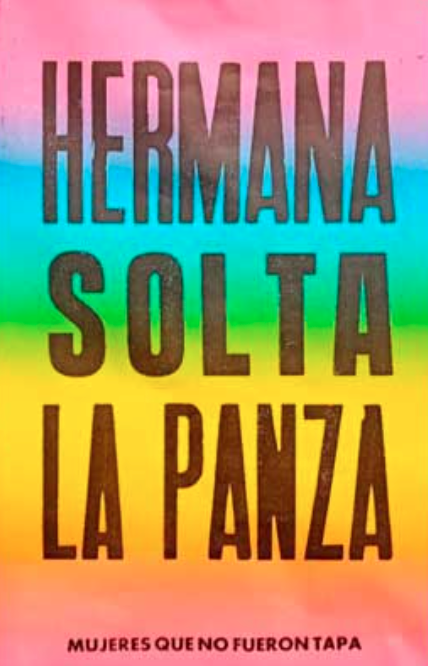
In 2021, an Argentinian organization called "Mujeres Que no Fueron Tapa" ("Women Who Weren't in the Cover") launched the hashtag #HermanaSoltaLaPanza, which can be translated to mean #SisterFreeTheBelly, to start a discussion about body image and how the beach body ideal affects how we see ourselves The hashtag also invited women to share pictures of themselves and their real bodies wearing bikinis or other summer clothes with the goal of helping women realize we all have the right to wear anything we like no matter how our bodies look.
"When we say 'Sister, free the belly,' we are talking about the belly in a symbolic way,” explained Lala Pasquinelli, a visual artist and the organization’s founder, to Infobae. “The belly represents what doesn't fit, the failure, the broken piece. It's everything we aspire to and that we will never achieve, something we face from a very young age. We learn that if we are not beautiful as our mom, dad, grandmom, boyfriend, or whoever expects, we won't be loved."
In addition to inviting women to post their pictures on their own feeds using the hashtag, the campaign encouraged women to send photos directly to the collective's Instagram account; the account received over 4,000 pictures, according to one article, and the photos were seen by over 60,000 people according to another piece. The hashtag has over 3,600 mentions on Instagram.
With every picture posted, the collective’s Instagram account shared a story of how the featured woman faced discrimination and self-harm looking for an ideal of beauty that is not real. One message received by the collective sent by a mother stated of her picture: "These are the bellies of a mom and a 7-year old that every day says she is fat and suffers from the comments of many people, including adults. Teaching her about self-love, self-acceptance, and that every body is valid and beautiful is a daily struggle. Today, after talking to her and showing her the #HermanaSoltaLaPanza stories, she asked me to send our picture." The caption for another photograph, this one of a young woman practicing standup paddle, reads, "If I kept worrying about how I looked, I'd have stayed on the shore. Thank you to all the sisters that freed their bellies!"
"Everybody deserves to enjoy summer," Paquinelli told Infobae. "We've been fighting for a long time to appear, to rescue all these women who were erased from history. And now there are sophisticated dispositives such as this beauty ideal that is so efficient because it leads us to make ourselves invisible."
In 2022, the campaign became an exposition in Buenos Aires, Argentina. It included pictures, text, and audio of women showing their bellies and sharing stories of this part of their bodies. They criticized all the pressure they felt in order to look for a flat abdomen as if it was required to be beautiful.
The movement is also now working on a book about the campaign. "We want to free ourselves from the speeches that foster shame and self-hate towards ourselves,” says the collective on its website.
More articles by Category: Body image and body standards
More articles by Tag: South America


