















Has The Handmaid’s Tale's depiction of violence against women gone too far?
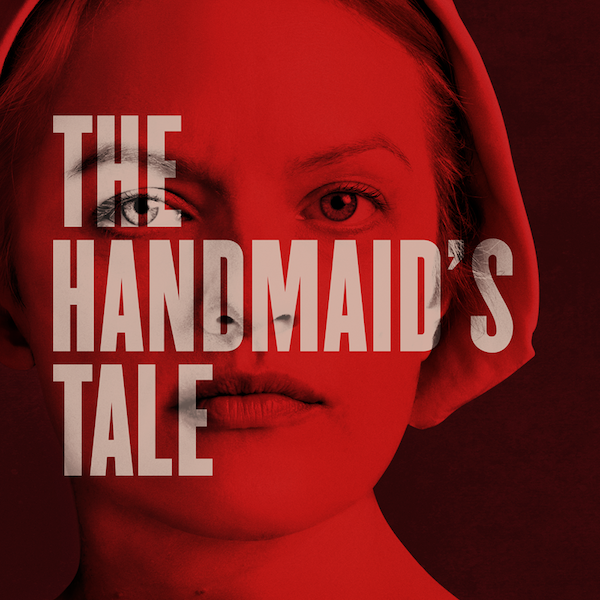
The first season of the dystopian television drama The Handmaid's Tale was an overwhelming success. The show, which is based on the homonymous book by Margaret Atwood, received a 94 percent “fresh” rating on Rotten Tomatoes and won four Primetime Emmy Awards and two Golden Globes. But the second season, which was released last spring, received mixed reviews from critics and fans alike. The primary complaint was that the season’s many blatant depictions of rape, disfigurement, and other abuses of women made the show little more than “torture porn.”
Now that season 3 has premiered (it came out on June 5), it’s worth asking: Is it fair to characterize these depictions of violence against women in season 2 as “torture porn” and dismiss watching this season or any future seasons, or did those depictions have value?
While the narrative of the first season stayed relatively true to Margaret Atwood’s novel, the second season explored parallels between the setting of the show — the horrible “Republic” of Gilead — and modern-day society. For example, the painful, brief reunification of the show’s protagonist June (played by Elisabeth Moss) with her daughter after a long period of separation resonated with news that broke at the same time about kids being separated from their parents on the U.S. border. The show also further explored an established theme of the dangers of leaders who eradicate the free press in exchange of their own version of “the truth” when June runs away from the Commander’s house and hides in the Boston Globe headquarters, which have clearly been abandoned. She learns that the journalists who worked there were killed. This episode eerily premiered just months after the massacre at the Capital Gazette headquarters.
The narrative, however, went beyond arguably subtle comparisons to modern-day society in its depiction of women being punished in a wasteland known as “the Colonies” and multiple rape scenes throughout the season. These scenes proved to be too much for many viewers, including critic Fiona Sturges, who wrote about her decision to stop watching The Handmaid’s Tale in The Guardian last June. Sturges described the second season as “cynical, pointless cruelty,” complained about the fetishization of torture and death, and compared the show to “grand guignol” crime series. Even an actor on the show — Joseph Fiennes, who portrays Commander Fred Waterford — reportedly refused to film a rape scene that was supposed to follow physical abuse of the character’s wife, because Fiennes did not believe it was something his character would do.
Another film and TV critic, Nicole Cord-Cruz, offered a different perspective, however. As she wrote in Zimbio last July, the second season may have become “too grisly and frightening” for some to handle,” but millions are handling similar suffering in their own lives. Cord-Cruz argues that the show causes shock to take viewers out of their comfort zones and consider that this is the reality for many. As Margaret Atwood herself has declared about the novel The Handmaid’s Tale itself, "When it first came out, it was viewed as being far-fetched,” but while writing it, she “was making sure I wasn’t putting anything into it that humans had not already done somewhere at some time.”
Whether the events depicted in The Handmaid’s Tale are realistic or not, though, it’s worth asking why people are willing to watch such suffering on screen. Louisa Ballhaus explores this in Bustle, describing The Handmaid’s Tale as misery porn, and arguing that viewers watch for different but valid reasons. For example, some watch “misery porn” because the experiences depicted are relatable to them, and others watch to be intellectually challenged by the content. Clinical psychologist Sheela Raja explains to Ballhaus that viewing The Handmaid's Tale can trigger negative emotions for people who experienced traumas like the characters, while the latter group of viewers is more interested in connections and statements the series makes about te modern-day society.
Ultimately, ignoring the misogynistic horrors that occur every day and refusing to acknowledge them for what they are is arguably the kind of behavior that leads societies to become like Gilead. Considering that so many of us live in countries on the verge of full-on fascism, we should not be allowed to ignore the stark realities that already do exist and could proliferate. Closing our eyes is not an option.
Either we do something now or we'll be the ones suffering in our Gilead: This was the lesson taught by the second season.
More articles by Category: Arts and culture, Media
More articles by Tag: Rape, Sexism, Sexualized violence


