















Growing up Spanglish
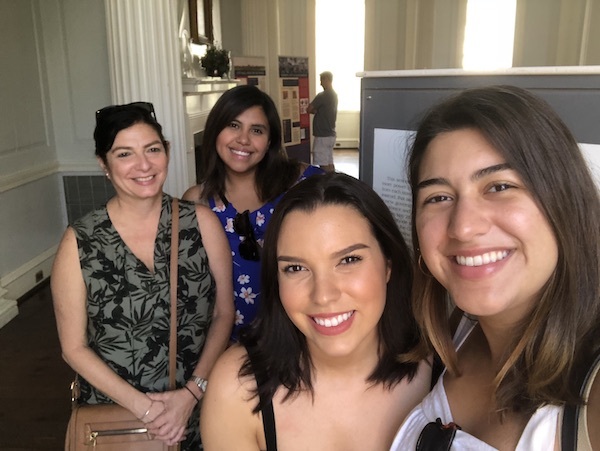
On December 18, 1998, I was born in South Miami to a Cuban mother and Chilean father. From that moment on, my identity was utterly rooted in this culture; I grew up Spanglish.
When I think of my hometown, I envision the bustling bakery around the corner from my house, too small to contain the crowds that continuously consume it, filled with orders being yelled across the counter and espresso machines hissing in the back. I smell comforting meals made by mom and abuela laden with fresh frijoles negros (black beans) and arroz blanco (white rice).
As a young child growing up in this town, I didn’t know the difference between Spanish and English. The people around me so frequently and fluidly slipped back and forth between both languages. I could quickly go from speaking only Spanish while in my favorite Cuban restaurant in town, where Spanish is the only language spoken, to throwing a random “dale” or “oye, chica” in the company of English-speaking family and friends. To this day, sometimes I know a word in Spanish but forget it in English, and vice versa. The languages are so entangled in my everyday life that I like to say I speak “Spanglish” rather than just English or Spanish separately.
Our mom raised my two older half-sisters and me in a multicultural home. I also have two other siblings who have Peruvian roots, as well. Our family web represents multiple nationalities, which makes our conversations when we all come together absorbing. Attempting to understand the various dialects spoken in each country, for example, definitely tests me, as the Spanish I learned to speak in Miami is a blend of local dialects.
This month — September 15 through October 15 — is National Hispanic Heritage Month, a month designated to highlight stories, accomplishments, and contributions of Hispanic/Latinx individuals. From my upbringing, it might seem like this month would be special to me, but, honestly, it wasn’t until a couple of years ago. I didn’t recognize how special it was until, suddenly, I found myself away from a place where Hispanic heritage was pretty much a given.
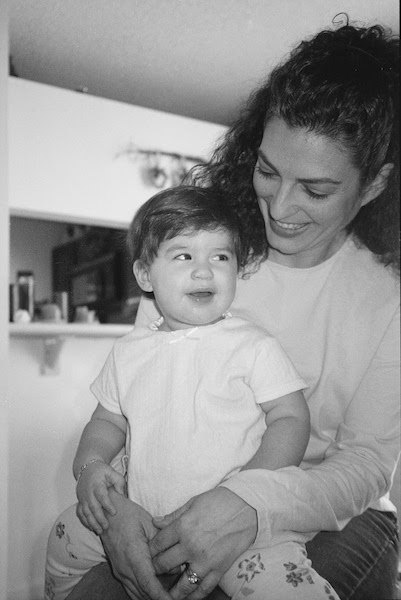
In the fall of 2017, I moved to north Florida for college. Miles away from the dishes and sounds of my culture, I felt achingly disconnected and void of the things that always brought me warmth and comfort. Additionally, I felt pushed to fit the different, dominant cultural standards on campus. For example, I’ve often been told by my peers on campus that my name is difficult to pronounce. Some would even take it upon themselves to call me a different version of my name, like “Vivian,” or avoid saying it altogether. I never minded having to repeat my name, but I am bothered by someone changing my name just because it’s difficult for them to pronounce. My name is part of my identity –– it tells a story of my life and reminds me of where I come from.
I continued to feel this way until, one day early in my second year of school, I forced myself to leave my dorm to attend a meeting for an on-campus organization dedicated to Cuban-Americans. The organization met in a tightly packed room filled with trays of pastelitos and bouncing Spanish-language music. Instantly, I felt as if I had just skipped the five-hour ride back home and landed back in the center of Miami.
Now, in the early months of my third year of college, I grip tightly onto the things that remind me of my home and culture. I cherish having conversations with my father, who exclusively speaks to me in Spanish, my mother’s use of Spanglish, and regular FaceTime sessions with my abuela, who is now a master at all things iPad-related. I always have a jar of Café Bustelo on hand to whip up a café Cubano at a moment’s notice. While these things are small, they ground me in the foundation of my life.
When I was visiting home recently, one of my sisters mentioned she thought my growing attachment to our roots in recent years was strange. She questioned why, of all of us, I am the one who now seems to nurture strong ties to our heritage the most. I told her that I had come to realize how meaningful this relationship is to my identity and that it took being asked to fit a different standard to understand that.
Of course, my issues with others’ perception of my culture on campus pales in comparison to those who suffer from blatant racism and shouts of “go back home” and “speak English.” I have never experienced this type of treatment, but I am very aware that it occurs and often wonder if one day, I will be in that situation.
Now more than ever, I value Hispanic Heritage Month as a time to reflect on my family’s personal story but also to acknowledge the stories of the entire community. For me, it’s a time to dig deep into the issues many Hispanic/Latinx individuals face around the nation, from discrimination to feeling comfortable in unfamiliar surroundings. Mis raíces son mi vida — my roots are my life.
More articles by Category: Feminism
More articles by Tag: Identity, South & Central America, Women of color


