















For the Feminist Movement to Succeed, We Need to Recognize Our Privilege
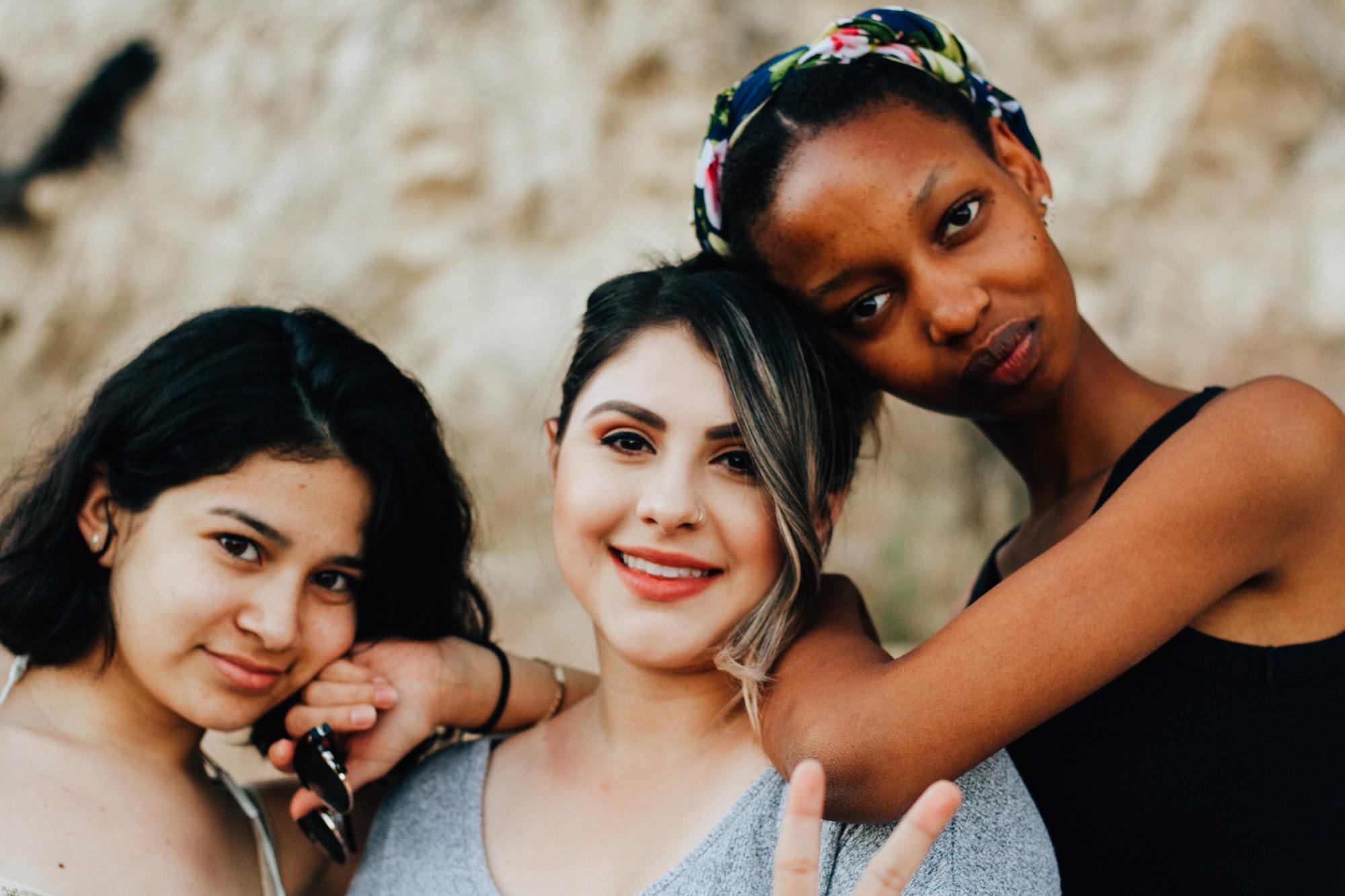
As about half of the country’s population, women are a huge group to try to organize in one movement. We all face different types of oppression based on our races, ages, and other aspects of our backgrounds. However, we have likely all shared the experience of feeling like a second-class human in countless situations. So how can we build on the strengths of our common experiences, while acknowledging our differences, to demand change?
The solution starts and ends with everyone involved acknowledging their privilege, and being accountable for their racial bias or other prejudiced mindsets in order to learn each other’s different oppressive experiences. The burden of this especially falls on the women who have the most power within the feminist movement — those whose identities align with the majority, like those who are white, cisgender, heterosexual, able-bodied, etc.
Let’s take race as an example to understand how privilege works. Though women of color have made astonishing strides in entrepreneurship, education, and the workplace, their net wealth
and earnings are still lower on average than white women’s. While white women make an average 79 cents to every dollar white men make, Black women make 62 cents and Latina women make 54 cents to every dollar white men make. Women of color lose an average of $434,000 over their lives due to gender-based wage gaps and have significantly higher unemployment rates than white women.
Women of color also experience everyday racism, or microaggressions, that affects their self- esteem and mental health in their workplaces in a way white women don’t. According to a McKinsey study, Black women deal with a larger variety of microaggressions than all other women in the workplace, and they are more likely than other women to have their judgment questioned in their area of expertise and be requested to provide additional evidence of their capabilities.
As in the workspace, women of color — especially Black women — are not taken seriously in terms of their maternal health due to racial and gender biases. Almost 65% of maternal mortalities are preventable, yet American Indian, Alaska Native, and Black women are two to three times more likely to die from pregnancy-related difficulties than white women. According to the Psychology Benefits Society, “some health care professionals respond differently to pain in Black and white patients and have a lack of cultural understanding that can lead to inappropriate treatment and feelings of isolation among Black mothers.”
While all of these instances are unacceptable in and of themselves, it’s also unacceptable for privileged women who witness these acts to remain silent. For women to achieve progress, not only do we have to recognize our own entitlement, but privileged women need to be held accountable for their actions, too. If the women who have the power of privilege aren’t allies to the women who don’t, they will continue to normalize discrimination and marginalize other women. If these women are aware of their privilege, though, they can act as gatekeepers to opportunities for women of color.
Companies, organizations, and individuals can’t claim to advance women without making an effort to understand the unique obstacles women of color face. We have to commit to holding our partners, family, and friends accountable for any racial biases. We can’t keep doing the same things and expecting change within the feminist movement. All women’s experiences need to be amplified, and all women need to support each other for real progress to occur.
More articles by Category: Feminism
More articles by Tag: Women of color, Women's leadership


