















Coffee, Competence, and the Lie of Being “Fine”
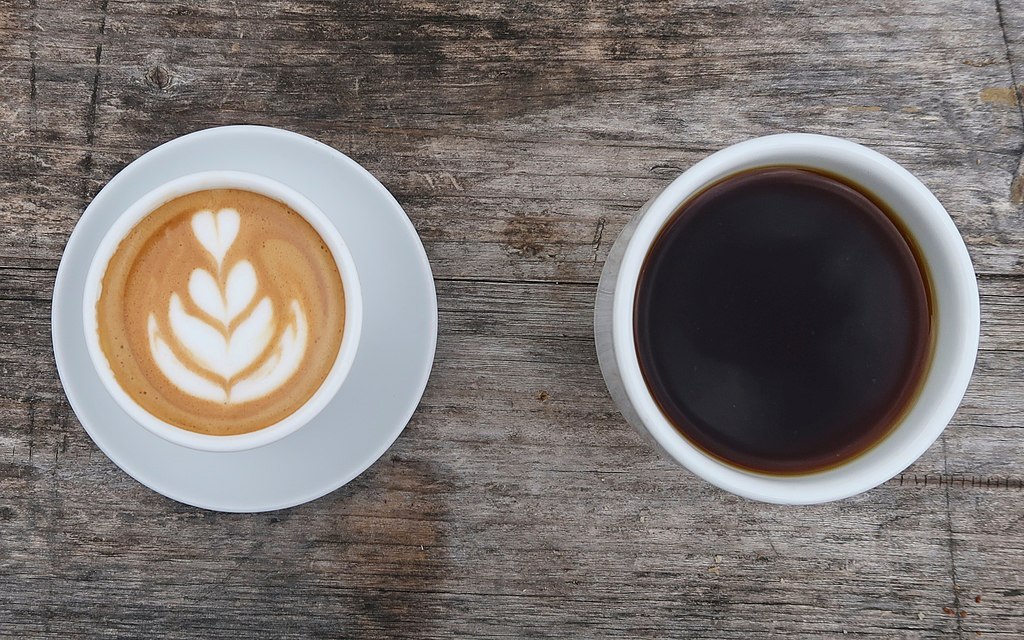
Coffee is the first thing I reach for before I decide how I’m feeling. Before work, before words, before honesty. It’s there in the break room, in the car cup holder, in the shaky pause between clocking in and becoming the version of myself who can handle things. Coffee doesn’t just wake me up; it gives me permission to function.
In health care and service jobs — both sectors I’ve worked in — being “fine” is often the baseline expectation. You show up, you smile, you help, you move quickly, you don’t fall apart in public spaces. Exhaustion becomes background noise. Anxiety is managed, not addressed. Coffee is how we keep the machine running.
I’ve watched this most clearly in women I work alongside — nurses, CNAs, baristas, caregivers — women who carry entire systems on their backs while insisting they’re doing OK. They sip lattes between patient rounds, refill mugs during double shifts, joke about being “powered by caffeine” as if that explains everything. It’s funny, until it isn’t.
Of course, the problem isn’t coffee itself, but the way it props up the illusion that constant output is sustainable and that needing rest is a personal failure rather than a structural one.
In fact, there’s a specific kind of praise reserved for high-functioning women: She handles so much. She’s always reliable. She never complains. Coffee becomes part of that praise — evidence that exhaustion can be managed privately, chemically, neatly. No mess. No inconvenience. Just another cup and keep going.
I’ve felt this pressure too — the need to appear capable even when my body is asking for stillness. The quiet fear that slowing down will make me less valuable. Coffee doesn’t cause that fear, but it helps me outrun it for a few hours at a time.
But what gets lost is honesty. The chance to say, I’m not fine, without needing a punchline. The permission to rest without earning it. The recognition that burnout isn’t a personal flaw — it’s the predictable result of systems that demand care without providing it. Sometimes I imagine what would happen if we treated fatigue as information instead of weakness. If “How are you?” didn’t require a caffeinated lie in response. Being competent doesn’t mean being endlessly available.
I still love coffee. I love the ritual, the warmth, the pause it creates. But I’m learning to notice when I’m using it to mask something deeper — when I’m drinking it not for pleasure, but for survival. Maybe the most radical thing isn’t giving up coffee. Maybe it’s refusing to let it be the only thing holding us together. Maybe being “fine” doesn’t have to mean functional at all costs. Maybe competence can coexist with rest, honesty, and limits. Coffee can stay — but it shouldn’t be our alibi. We deserve systems that sustain us, not rituals that help us endure being drained.
More articles by Category: Feminism
More articles by Tag: Health


