















Celebrating the feminists who were before their time
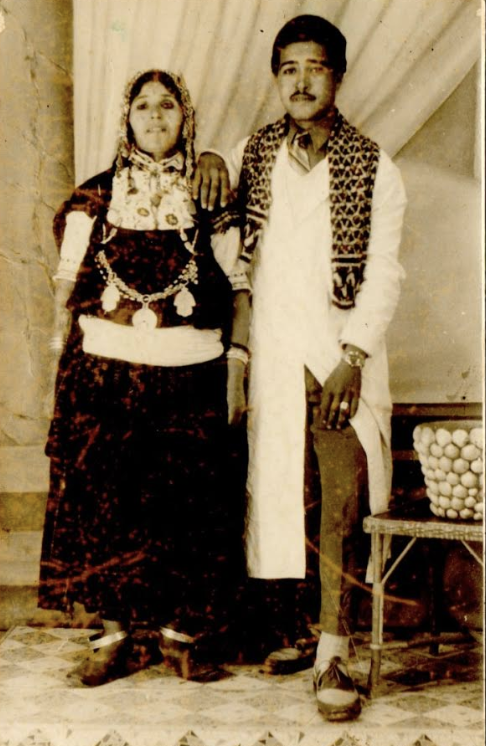
Growing up, I always heard my mother talk about her grandmother. My mother was very attached to Rebh and told me stories about her, since I never got to meet her. She wasn’t necessarily a remarkable woman for her time. She was a traditional, typical peasant woman. But she was also a feminist — though she didn’t know it.
Unlike most women at that time, Ommi Rebh ran her own business and owned properties in the Central Eastern area of Tunisia. There, she grew olive trees — olives are considered one of Tunisia’s specialties — and practiced animal husbandry. Ommi Rebh was fully dedicated to her olive trees and cows.
Though Omni Rebh never went to school, she was a savvy businesswoman and excellent negotiator. My mother usually accompanied her to the “souk” (an Arab market or marketplace) and witnessed the negotiations that took place between her grandmother and the other merchants. “I remember watching Ommi Rebh doing business and making deals with other merchants,” my mother told me. “While doing it, she was the strongest, most confident, and smartest woman I’ve ever seen.”
Ommi Rebh was an anomaly in the marketplace. The wives of wealthy male merchants never appear in public eye, not did many women own their own businesses. Omni Rebh was never intimidated by these merchants, however — in fact, it’s said that those merchants feared her.
She never considered business as the domain of men. “She always told me that everything is possible to do, for both men and women, as long as you have the necessary will and motivation to do it,” according to my mother.
At harvest times, my great-grandmother usually hired men and women and paid them equally for performing work of equal value. She was their leader — she distributed tasks and managed the time it took to complete them.
Ommi Rebh was very respected and honored in her village. People always came to her to solve their problems. Whenever a woman who had been abused by men in her family would come to her, my great-grandmother always sided with her and offered her a safe place to stay.
Ommi Rebh was married twice. After divorcing her first husband, which was a brave and rare thing for a woman to do back then, she stayed single for a long time before remarrying. She was never afraid of being on her own. In fact, when a thief broke into her house while she was alone, she didn’t call for help or hide. She jumped out of bed and chased the thief around the house, then around the village until she caught him.
Later, she married a younger man with whom she had two sons — my grandfather and his brother. Having kids in her late thirties was atypical in a culture in which women generally have kids at around 18 or 19 years old. So was her choice to have only two children, whereas people at the time had five kids on average. She also remained sexually active, till her mid-seventies, which is considered a sign of open-mindedness.
Unfortunately, like many women, Ommi Rebh was a victim of domestic abuse. Her second husband would beat her when they fought. “When my grandfather hit Ommi Rebh, she always defended herself,” my mother told me.” My father, Omni Rebh’s son, would try to stop their fights and resolve their conflicts.” Ommi Rebh told my mother that no man has the right to hit her.
When her second husband passed away, Omni Rebh went to the cemetery the day he was buried, even though doing so is prohibited for women in the Tunisian tradition. She didn’t care about what people might think of her and went with the men to the cemetery to say goodbye to her husband.
My mother always told me that her grandmother was her first role model and the reason she became a fierce, independent feminist. Ommi Rebh taught her how to be smart, strong, and free and, in turn, Ommi Rebh’s and my mother’s teachings have shaped me to be the feminist I am today.
Ommi Rebh is just one example of an underrepresented, underappreciated woman who fought her own feminist fight not in a big, public way, but bravely in her daily life. They are the feminists we never hear about, but whose voices surely deserve to be heard and celebrated.
More articles by Category: Feminism
More articles by Tag: Women's leadership, Sexism, Equality


